News
Essential Safety Practices for Using Rolling Ladders

Key Takeaways
- Frequent inspection and diligent maintenance ensure rolling ladders remain in top condition and safe for daily use.
- Practicing proper climbing and handling techniques significantly reduces the risk of falls or other workplace injuries.
- Accounting for the surface condition and surroundings is vital when determining where and how to deploy a rolling ladder.
Rolling ladders are indispensable tools used across warehouses, industrial facilities, and retail environments, granting safe and convenient access to elevated areas. While they dramatically boost efficiency and flexibility for workers, rolling ladders also introduce potential hazards if not handled appropriately. Implementing and adhering to robust safety practices ensures these tools remain assets rather than risks. For anyone purchasing or using these mobile ladders, understanding the essentials of proper ladder use is crucial. For more guidance about equipment selection and product types, refer to Rolling Ladders for a comprehensive overview.
Failing to follow safety precautions or conduct routine inspections can result in serious injuries, operational delays, and increased liability for employers. Creating a culture of safety around the use of rolling ladders is not just a regulatory requirement; it is an essential practice for protecting the workforce and enhancing workplace productivity. Knowledge of inspection protocols and awareness of environmental factors all contribute to a safer environment for everyone involved with material handling or stockroom work.
Regular Inspection and Maintenance
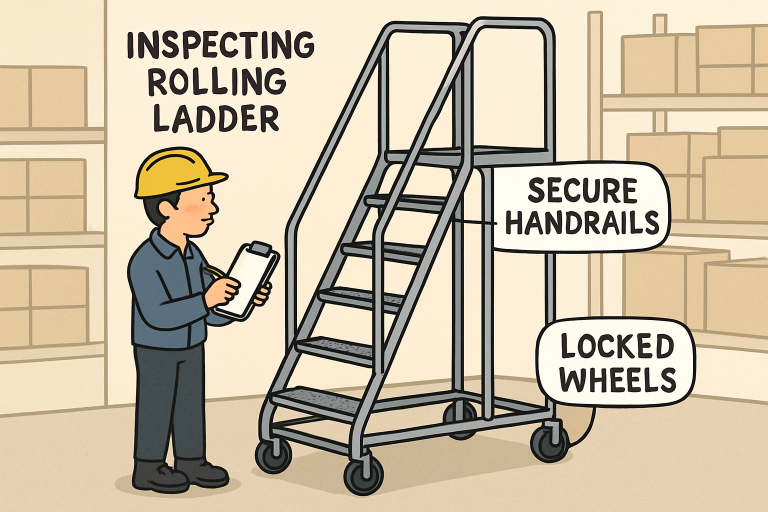
Before every use, visually inspect the rolling ladder for any apparent signs of wear, such as bent rungs, broken wheels, rust, or missing safety labels. Check that handrails and steps are secure and that all locking mechanisms, including wheel brakes, operate smoothly. Damaged ladders must be withdrawn from service until fixed to prevent potential injuries. Monthly in-depth inspections are recommended for frequently used ladders, while even rarely used equipment should be checked before each use. Regular maintenance activities, such as lubricating moving parts and tightening loose bolts, preserve ladder performance and safety. For more on inspection checklists and maintenance routines, review the Occupational Safety and Health Administration (OSHA) standards.
Proper Usage Techniques
Always face the ladder and maintain three points of contact, such as two hands and one foot, or two feet and one hand, every time you climb. This stabilizes your balance and helps prevent slips and falls. Never use the ladder as a platform for jumping or excessive leaning. If you cannot reach your target comfortably, climb down and reposition the ladder instead of stretching or overreaching. Overreaching is a common cause of rolling ladder accidents. Carry tools and small materials in a work belt or a hand line to keep both hands free and maintain proper grip on the ladder. By consistently adhering to safe climbing methods, workers can significantly reduce the risk of injury.
Environmental Considerations
Where you position your rolling ladder is just as important as how you use it. Ensure the ladder is placed on a firm, flat, and dry surface. Avoid deploying ladders on sloped, wet, or oily floors, as decreased traction increases the risk of tipping or slipping. Check around the work area for potential overhead or ground-level obstructions. Never use a rolling ladder outdoors during inclement weather, especially when wind or ice is present. When working near doors or aisles, ensure they’re blocked off or use dedicated safety signage to prevent others from inadvertently striking the ladder while it’s in use. The OSHA Ladder Safety eTool elaborates further on safe environmental conditions for ladder deployment.
Weight Capacity and Load Management
Every rolling ladder has a specified weight capacity, including the combined weight of the user and any carried tools or materials. It is vital not to exceed this limit, as it may compromise ladder stability and cause structural failures. Always distribute your weight evenly and avoid abrupt movements that could unbalance the ladder. Carrying heavy or awkward items up and down the ladder by hand is a common violation that puts users at risk. When possible, use lifts or hoists to move heavy objects rather than carrying them up the ladder.

Training and Awareness
All employees should receive thorough training before using any rolling ladder. Training should include identifying equipment defects, using safe climbing techniques, understanding manufacturer instructions, and responding in emergencies. OSHA requires that ladder safety training be documented and renewed regularly. In fast-paced environments or those with high staff turnover, regular refresher courses can reinforce safe habits and ensure everyone remains vigilant. Supervisors must also set an example by enforcing safety protocols and conducting routine safety audits.
Emergency Preparedness
No matter how comprehensive your safety plan, accidents can still happen. Establish clear emergency response procedures, educate staff on the steps to take following a ladder-related incident, and ensure well-stocked first-aid kits are always accessible in high-risk areas. Prompt medical attention can significantly reduce injury severity and prevent complications. Make sure that all incidents and near-misses are logged and reviewed so recurring hazards can be addressed and safety protocols updated as necessary.
Conclusion
Adopting a proactive approach to rolling ladder safety requires consistent training, effective inspection routines, and careful regulation of use in varying environments. Establishing clear and practical guidelines not only prevents injuries but also promotes a culture of safety that benefits both productivity and morale. Taking the time to educate, inspect, and maintain rolling ladders will protect workers and support efficient operations in any business that handles elevated tasks.