Home Improvment
Smart Plumbing Solutions for Modern Homes

Key Takeaways
- Smart plumbing technologies deliver on convenience, efficiency, and sustainability.
- Touchless faucets and tankless water heaters significantly cut water and energy use.
- Smart devices integrate seamlessly for remote and data-driven home management.
Modern homeowners are increasingly turning to innovative smart plumbing technologies to elevate convenience, efficiency, and sustainability within their living spaces. Solutions such as touchless faucets, leak detection systems, and water recycling units not only optimize routine tasks but also deliver substantial water and energy savings. By integrating these advanced features, residents can upgrade their homes while contributing to a greener future. For those seeking expert advice or installation, Afford A Rooter Westminster provides comprehensive service for smart plumbing needs in Westminster and surrounding areas.
The shift towards smart plumbing represents a pivotal advancement—not just for modern convenience, but also for improved hygiene and reduced resource consumption. Convenience now extends well beyond scheduling, empowering users with real-time controls and comprehensive monitoring for their entire plumbing ecosystem. Touchless fixtures, smart sensors, and interconnected apps are transforming water use and management in today’s homes, enabling tighter budget control and a reduced environmental footprint.
Touchless Faucets: Enhancing Hygiene and Water Conservation
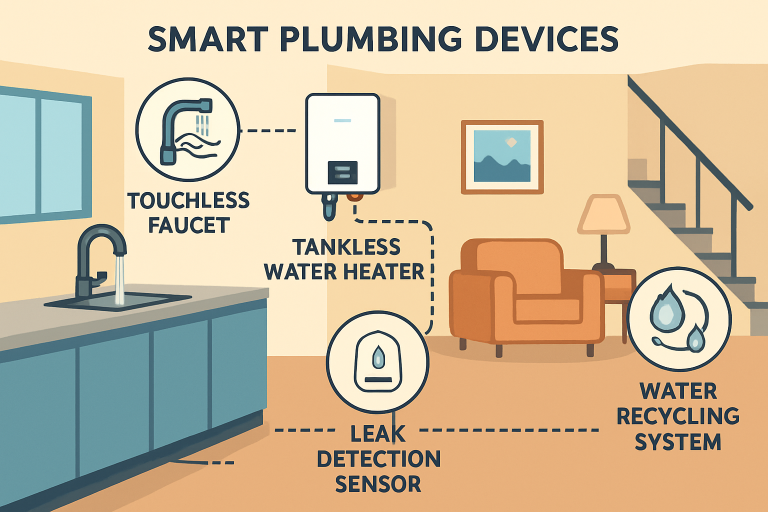
Touchless faucets are transforming kitchens and bathrooms, offering homeowners a hands-free experience that delivers notable hygiene benefits. By using motion sensors, these faucets remove the need to touch handles or spouts, effectively reducing germ transmission. The water flow automatically activates with a wave of a hand and stops as soon as motion ceases, curbing water waste and lowering utility bills. Integrations with smart home ecosystems make the user experience even simpler: voice commands and app-based adjustments are now standard features, streamlining operation while promoting resource conservation.
Tankless Water Heaters: Efficient and Space-Saving
Traditional water heaters store and maintain large volumes of heated water, resulting in continuous energy consumption and bulkier equipment. Tankless water heaters, by contrast, heat water instantly as it is needed, eliminating standby losses and energy waste. According to the U.S. Department of Energy, these “on-demand” systems not only provide continuous hot water but also offer a more energy-efficient alternative to traditional tanks. Users enjoy uninterrupted hot water, and the system’s compact design allows for flexible installation in tight spaces. Over time, tankless heaters reduce both utility costs and maintenance burdens while supporting scalable, energy-efficient modernization in homes.
Innovative Leak Detection Systems: Preventing Water Damage
Leaks, even small ones, can wreak havoc if left undetected. Modern leak detection systems use sensors to monitor water use and pressure profiles across a property. Deviations from the norm, such as a sudden spike in flow or a gradual drip, trigger immediate alerts via mobile apps or connected dashboards. In more advanced setups, these systems can automatically shut off the water main to prevent flooding and limit property damage. By integrating with broader smart home platforms, homeowners achieve greater peace of mind and proactive risk mitigation.

Water Recycling Systems: Promoting Sustainability
Sustainable living is increasingly prioritized, and water recycling systems play a crucial role in modern home design. These systems repurpose greywater—collected from sinks, showers, and laundry appliances—for secondary uses like irrigation and toilet flushing. The result is reduced freshwater demand, lower water bills, and less strain on local water treatment infrastructure. As governments and environmental organizations continue to push for water conservation, greywater recycling represents a highly effective strategy for homeowners to contribute directly to these efforts.
Integration with Smart Home Ecosystems
Smart plumbing innovations rarely operate in isolation—they now form part of comprehensive connected home systems. For example, after a smart water monitor detects abnormal consumption, it can trigger an alert or automatically shut off the water supply, preventing catastrophic damage before it occurs. Such ecosystem integration is paving the way for brilliant, user-centered homes.
Professional Installation and Maintenance
While DIY solutions exist for some innovative plumbing products, professional installation is essential for more complex devices to ensure seamless integration and functionality. Certified plumbers possess the expertise to connect all components correctly, prevent leaks or electrical hazards, and configure systems for optimal performance. Regular expert maintenance—such as firmware updates for sensors and checks of water pressure calibrations—guarantees these systems serve homeowners reliably over the long term.
Conclusion
Innovative plumbing solutions are at the forefront of modern home innovation, providing unmatched enhancements in comfort, efficiency, and environmental stewardship. From touchless faucets and tankless water heaters to leak detection systems and advanced greywater recycling, these tools create healthier, more resilient spaces while lowering costs and supporting rising sustainability standards. Integration with smart home platforms gives homeowners unprecedented control, delivering actionable insights and preventative features. As adoption accelerates, these technologies signal a new era in residential living—one where intelligence, resourcefulness, and ease work harmoniously for the benefit of all.