
Lifestyle
Guide to Choosing the Right Storm Shelter

Published
6 months agoon
By
Realty Fact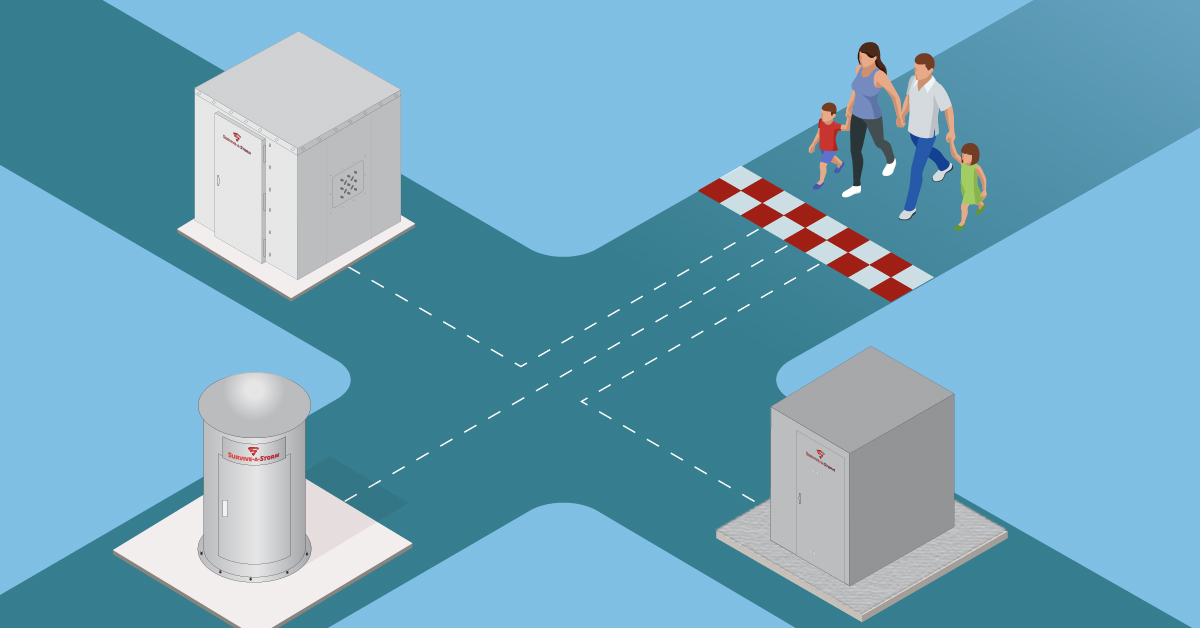
When severe weather occurs, having a well-chosen storm shelter can protect your family and provide peace of mind. Choosing the right unit requires understanding the available shelter types, evaluating your household’s needs, and considering the importance of proper installation. For those living in high-risk areas such as Oklahoma, exploring local storm shelters Tulsa can be a crucial step in emergency preparedness.
This guide will cover the main types of shelters, critical decision factors, and considerations for location, budget, and long-term maintenance. Whether you have experienced powerful tornadoes or want to be ready for unexpected storms, making an informed choice is essential to ensuring everyone’s safety.
Prioritizing the right shelter involves more than a quick purchase. Assessing your space, mobility needs, and budget will help narrow down the best options for your living situation.
With advancements in protection standards and a wide range of options on the market, it’s easier than ever to find a shelter tailored to your unique requirements. Partnering with trusted local specialists provides added confidence in your investment.
Table of Contents
ToggleTypes of Storm Shelters
Homeowners can choose from several types of storm shelters, each designed for different environments and user needs.
- Underground Shelters: These are installed underground, commonly in the backyard or under the garage. They offer superior protection from extreme winds and flying debris but could be at risk for flooding depending on location. For families in tornado-prone areas, underground options are among the most protective.
- Above-Ground Shelters: These free-standing units are anchored onto a concrete surface such as a basement or garage slab. They offer easier access for individuals with mobility issues and are less complicated to install.
- Safe Rooms: A safe room is a reinforced space within a home, often designed to blend into the floor plan. Customization options make these a flexible choice for integrating safety and convenience.
Key Considerations
Choosing a storm shelter involves multiple factors to ensure your selection meets your household’s needs:
- Family Size: Calculate the amount of space required for every household member and pets to be comfortable during a storm.
- Mobility Needs: Evaluate whether everyone, including children, elderly family members, and people with disabilities, can easily access the shelter.
- Local Climate: Assess the typical threats in your area, such as tornadoes, hurricanes, or severe thunderstorms, to choose the right design and location.
Location and Installation
Proper placement can make a lifesaving difference when time is limited. Many choose indoor shelters, such as basements or garages, for quick, secure access, avoiding exposure to dangerous conditions. Alternatively, outdoor units can be suitable for properties with limited indoor space, provided there is a direct, unobstructed path.
It is important to avoid flood-prone locations and to ensure any installation is securely anchored to withstand dangerous weather. Always work with experienced local professionals who understand regional hazards and building codes.
Cost and Budget
Pricing for storm shelters varies widely depending on materials, capacity, and installation complexity. Underground models are typically the most expensive, ranging from $4,000 to $20,000 or more, particularly when excavation or specialized waterproofing is needed. Above-ground shelters can offer a more affordable alternative, with some models costing less than $5,000 and requiring simpler installation.
If cost is a barrier, consider researching local grants or low-interest financing options provided by community organizations or emergency management agencies.
Safety Standards and Certifications
Credible storm shelters should meet or exceed safety benchmarks established by organizations such as the Federal Emergency Management Agency (FEMA) and the National Storm Shelter Association (NSSA). These standards help ensure the shelter can withstand the pressures and impacts associated with tornadoes and hurricanes. Always request proof of compliance or certification when purchasing.
Maintenance and Accessibility
Regular inspection and upkeep guarantee your shelter remains effective and safe. This should include checking seals and ventilation, testing door mechanisms, and ensuring that basic emergency supplies are up to date. Review accessibility at least annually or after any significant life changes, such as adding household members or changes in someone’s mobility.
Conclusion
Making the right choice for a storm shelter is a significant step toward keeping your loved ones safe during severe weather. Weigh the types of shelters, available space, and your family’s needs carefully. Confirm that the unit meets recognized safety standards and is installed professionally in a convenient, secure location. With proper planning, your storm shelter can offer peace of mind and reliable protection for years to come.