Tech
Advancements in Fire Protection Compliance for Modern Buildings

Key Takeaways
- Regulatory standards for fire protection are growing stricter and require a more proactive approach.
- Technological advances, such as smart fire systems and innovative passive fire solutions, are crucial for compliance and safety.
- Regular inspections, system upgrades, and adherence to current codes are necessary for long-term safety.
Modern building safety depends on balancing innovative design with increasingly complex fire protection requirements. As the built environment continues to evolve, so do the standards and technologies aimed at preventing fires and limiting their impact. New rules, smarter systems, and better materials are shaping how properties are protected across residential, commercial, and mixed-use settings. Companies like Brycer help simplify and ensure compliance with these crucial processes for building owners and facility managers, further reinforcing a culture of proactive fire safety.
Staying informed about regulatory changes, integrating new technologies, and maintaining routines are essential for effective fire protection. Proactive compliance not only safeguards lives and property but also enhances peace of mind. Fire resilience is becoming increasingly important in modern real estate. As authorities learn from past incidents, building codes have become stricter, necessitating more robust solutions. Intelligent systems and performance-oriented safeguards are now standard in new constructions and renovations. Ongoing maintenance and adaptability are crucial for compliance as standards evolve, demonstrating a commitment to continuous improvement in fire safety.

Evolving Fire Safety Regulations
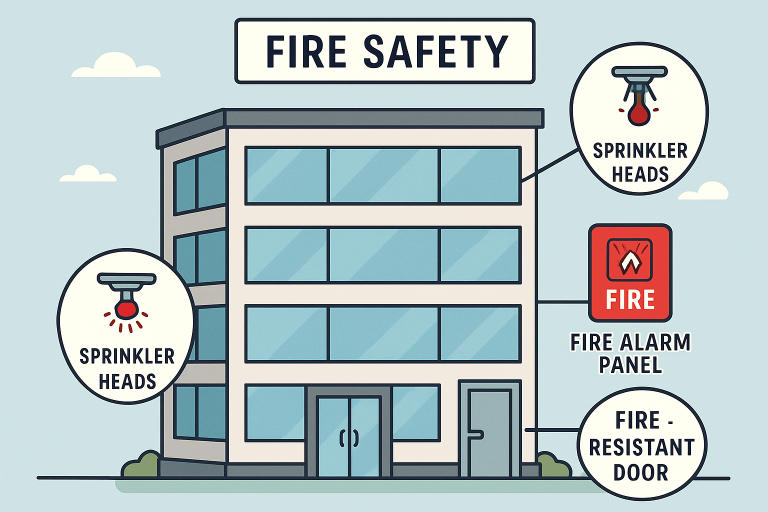
Fire safety compliance is an ever-moving target as building materials change, building use becomes more varied, and occupant loads increase. The release of the 2026 Fire Code exemplifies this trend, calling for stricter protocols around fire alarm technologies, emergency egress lighting, and reliable sprinkler coverage. Facility professionals must keep up with these extensive updates to protect both lives and assets and avoid potentially costly penalties for non-compliance. The enforcement of these upgraded standards reflects a clearer understanding of fire dynamics and risk, especially in denser urban settings where evacuation times are critical.
Integration of Smart Fire Alarm Systems
Today’s fire alarm systems do far more than detect smoke. They operate as part of connected networks that communicate with elevators, HVAC, and security systems to manage evacuations and limit the spread of smoke and heat. Networkable and addressable fire alarms enable real-time pinpoint identification of hazards, drastically reducing the response time in emergencies. Wireless and modular components make these technologies particularly valuable for retrofit applications, enabling upgrades to older buildings without invasive rewiring. Data-driven systems also provide critical diagnostic information, reducing false alarms and easing routine inspection.
Importance of Passive Fire Protection
Active response systems are important, but passive fire safety features remain the foundation for containing fire and protecting egress routes. Fire-resistant barriers, specialized doors, and integrated firestopping solutions are essential to slow the spread of flames and toxic gases, providing first responders and building occupants with extra time in an emergency. Novel materials and digital record-keeping are making it easier to both specify and verify high-performance passive measures across large portfolios. Traceable, certified materials support accountability and enable property managers to demonstrate ongoing compliance with local or international fire codes.
Challenges in Retrofitting Existing Buildings
Retrofitting aging buildings to comply with the latest fire safety codes poses significant challenges. Many pre-1975 high-rises were constructed before the widespread use of sprinklers, robust alarm systems, and reliable compartmentation. While some municipalities have made strides in closing this gap, policy changes, such as Maryland’s removal of its high-rise sprinkler mandate, have sparked controversy. These decisions raise concerns about risking lives and highlight the need for multi-layered, adaptable solutions to ensure that legacy buildings do not fall behind the standards of new construction.
Future Trends in Fire Protection
The next chapter of fire protection will revolve around continuous, smart monitoring and performance-based codes tailored to specific building risks. Wireless, cloud-connected panels and sensors enable real-time diagnostics and response. Material innovation is also critical; non-combustible fireblocking in façade systems and safety enhancements in composite wall assemblies are now common, helping to avert the external spread of flames. As adoption accelerates, collaboration across the code-writing, design, and inspection communities will enhance success and resilience.
Conclusion
The landscape of fire protection is undergoing rapid transformation. Building stakeholders must pair knowledge of new regulations with investment in technologies and passive strategies that sustain compliance and save lives. Staying ahead means embracing smart integration, prioritizing verified materials, and supporting a culture of continuous improvement that protects both property and people for years to come.