Tech
Air Conditioning Maintenance: Simple Steps to Improve Efficiency

Key Takeaways
- Regular air filter replacement and cleaning improve airflow, maintain air quality, and can reduce energy consumption by 5–15%.
- Keeping the outdoor unit clean and ensuring sufficient clearance helps prevent overheating and maintain efficiency.
- Sealing and insulating ductwork reduces air loss and enhances overall cooling performance.
- Upgrading to programmable or smart thermostats saves energy while maintaining consistent comfort.
- Proper ventilation, unobstructed vents, and ceiling fans optimize airflow and system efficiency.
- Scheduling annual professional maintenance helps prevent breakdowns, extends the system’s lifespan, and ensures reliable performance.
- Managing indoor heat sources and utilizing window treatments can reduce AC workload and lower energy costs.
- Following these strategies helps keep your home cool, lowers your bills, and protects your investment in the long term.
Proper air conditioning maintenance is the key to enjoying a cooler, more comfortable home while keeping your electricity bills in check. Whether you’re a homeowner or a renter, understanding how to take care of your AC system can save you from costly repairs and ensure reliable performance all summer long. If you need expert help, look for specialized AC repair Boston, MA to tackle more complex issues and keep your unit running at its best.
Routine upkeep not only extends the life of your air conditioning system but also helps maintain indoor air quality and overall household efficiency. In this guide, you’ll discover practical steps you can take to maximize your AC’s output and minimize energy consumption.
Neglecting maintenance, on the other hand, can result in escalating energy costs, uncomfortable temperatures, and premature breakdowns—especially during peak weather conditions. From regular filter changes to professional inspections, these essential tasks are designed to protect your investment and maintain a consistently cool and pleasant living space.
Follow these straightforward methods to make your air conditioner work smarter, not harder, every season.
Regularly Replace or Clean Air Filters
One of the most important tasks in air conditioning maintenance is checking and replacing your air filters. Clogged or dirty filters can restrict airflow, causing your system to use more energy to circulate air. It’s best to inspect your filters every month and replace them at least every three months. For homes with pets, allergies, or excessive dust, more frequent cleaning is often necessary. Keeping a clean filter not only improves airflow but also maintains better air quality by trapping dust, pollen, and other irritants. The U.S. Department of Energy highlights that replacing a dirty filter with a clean one can lower your air conditioner’s energy consumption by 5% to 15%.
Keep the Outdoor Unit Clean and Clear
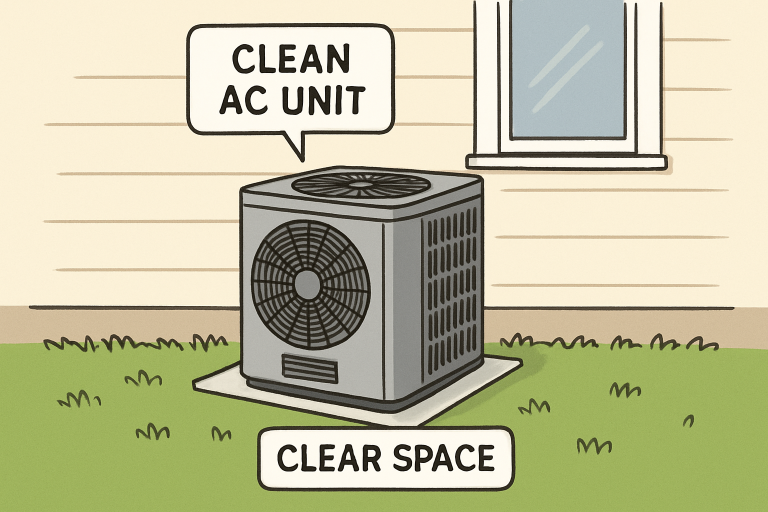
Your AC’s outdoor condenser unit requires sufficient space to function efficiently. Over time, leaves, grass clippings, and debris can accumulate, restricting airflow. It’s crucial to maintain at least two feet of clearance around the condenser. Periodically switch off the power and gently remove debris and dirt. For heavy buildup, a soft garden hose spray can help clear away grime from the coils and fins. Taking these basic steps will help prevent overheating and loss of efficiency during extreme weather conditions.

Seal and Insulate Ductwork
Ductwork plays a significant role in delivering cool air throughout your home, but leaky or poorly insulated ducts can waste 20% or more of the air your system produces. To fix this, visually inspect accessible ductwork for holes, gaps, or disconnected joints. Use mastic sealant or metal-backed (foil) tape rather than regular duct tape, as it’s specially designed for lasting bonds. Insulating ducts in unconditioned spaces, such as attics and crawl spaces, can further enhance energy efficiency and reduce cooling costs. The U.S. Environmental Protection Agency recommends periodic duct inspections as part of routine home maintenance.
Upgrade to a Programmable or Smart Thermostat
Modern thermostats bring both convenience and efficiency to your cooling routine. Programmable thermostats enable you to pre-set temperature changes during specific hours, reducing energy use when you’re at work or asleep. Smart thermostats take it a step further, learning your preferences and allowing you to adjust settings from your smartphone. By keeping your system from running unnecessarily, these upgrades can reduce cooling costs and provide consistent comfort without requiring manual adjustments.
Ensure Proper Ventilation and Airflow
Obstructed vents or closed registers can significantly disrupt airflow, causing your air conditioner to work harder and reducing comfort in certain rooms. Walk through your home to ensure every vent is open and unobstructed by rugs, furniture, or curtains. Ceiling fans can also distribute cool air more evenly, helping you raise your thermostat setting by a few degrees without sacrificing comfort. Good ventilation keeps your system balanced, reduces humidity, and enhances overall cooling efficiency.
Schedule Professional Maintenance
Annual inspections by an HVAC professional can catch small issues before they grow into major problems. Technicians perform critical checks, including cleaning coils and drains, inspecting electrical components, testing refrigerant levels, and verifying thermostat function. This proactive maintenance keeps your system optimized, prevents surprise breakdowns in the height of summer, and can extend your unit’s working life for many years.
Manage Indoor Heat Sources
Everyday activities and appliances—such as cooking, drying clothes, or running old incandescent bulbs—generate heat, which makes your air conditioner work overtime. Try to use heat-producing appliances in the early morning or evening, and switch to energy-efficient LED bulbs. Turning off unnecessary electronics during the hottest part of the day can also make a noticeable difference in your home’s overall temperature and reduce the stress on your AC.
Utilize Window Treatments
Direct sunlight streaming through windows is a significant contributor to heat gain, particularly in rooms exposed to the afternoon sun. Installing blinds, shades, or insulating curtains can help create a barrier, blocking solar heat and easing the load on your air conditioner. For best results, close window coverings during the sunniest hours and consider adding reflective films to reduce glare and heat further.
Final Thoughts
Implementing these simple yet effective maintenance strategies can result in significant energy savings, longer AC unit lifespan, and consistently comfortable indoor temperatures. Clear filters and vents, scheduled maintenance, proper insulation, and mindful daily habits all work together to boost efficiency and reduce repair calls. With a few proactive steps each season, you’ll be able to rely on your air conditioning system for years to come—all while enjoying lower energy bills and a healthier, cooler home.