Lifestyle
Effective Carpet Care Tips for a Healthier Home

Key Takeaways
- Regular vacuuming and prompt stain removal are crucial for carpet longevity.
- Implementing preventive measures can reduce dirt accumulation.
- Professional cleanings enhance carpet health and appearance.
Table of Contents
- Regular Vacuuming
- Prompt Stain Removal
- Preventive Measures
- Professional Cleaning
- Carpet Protection
- Pet Care
- Furniture Arrangement
- Sunlight Exposure
- Conclusion
Keeping carpets clean goes beyond aesthetics; it is an essential part of maintaining a healthy home. Carpeting can trap dust, pollen, and other allergens, impacting indoor air quality and wellness. By adopting thorough cleaning routines, you not only extend your carpet’s lifespan but also ensure your living space supports the well-being of everyone in your household. Regular maintenance, coupled with strategic cleaning tactics, is key. For those who require an extra helping hand, local janitorial services Williamstown, NJ can offer professional support to keep carpets in peak condition.
Implementing habits like routine vacuuming, prompt spill cleanup, and preventive measures helps reduce allergens and dirt. Combined with periodic professional cleaning, carpets stay clean and vibrant. Each home’s needs differ, but a good care plan is achievable with the right knowledge and effort. Clean carpets can lead to better sleep and fewer respiratory issues, especially for children, the elderly, and allergy sufferers. These strategies preserve carpet appearance and create a safer home by preventing hidden pollutants. For homeowners, understanding how often to clean and effective methods can easily improve carpet care.

Regular Vacuuming
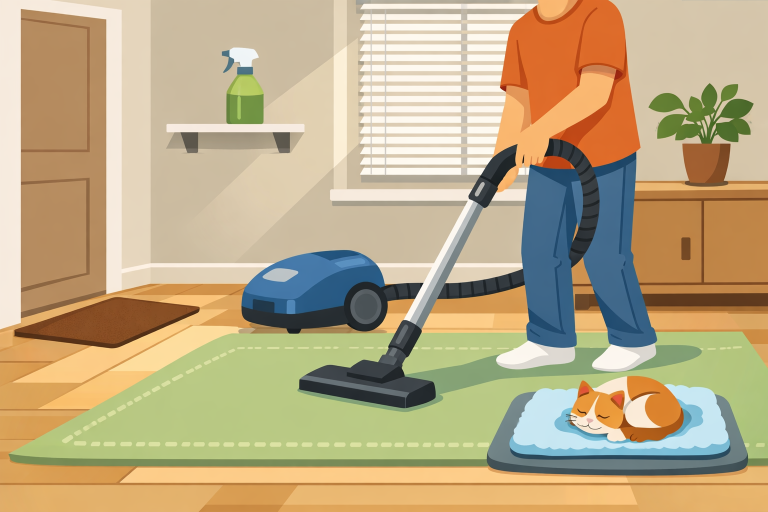
Vacuuming is your first line of defense against carpet dirt and allergens. Aim to vacuum at least twice a week, and more frequently if your household includes pets or sees heavy foot traffic. High-quality vacuums equipped with HEPA filters, recommended by health experts, effectively capture dust mites, pet dander, and fine particles that lower indoor air quality. Make sure to pay special attention to corners, under furniture, and high-traffic walkways to prevent buildup.
Prompt Stain Removal
Timely attention to spills makes stain removal far easier. When accidents happen, blot the spill with a clean, absorbent cloth without rubbing. For persistent spots, a solution of mild dish soap and warm water works for most carpets. Gently dab at the stain, and always pre-test any cleaning agents on an inconspicuous area of the carpet first. Avoid over-wetting, as excess moisture can lead to mold or further staining.
Preventive Measures
Preventing dirt from reaching your carpets is often simpler than cleaning it up later. Establishing a no-shoes policy inside the home noticeably reduces the transfer of dirt and allergens. Placing sturdy doormats at each entry creates a buffer zone where family and guests can wipe their feet before stepping onto carpeted areas. In addition, use area rugs or carpet runners in high-traffic spots such as hallways and living rooms to protect underlying carpet fibers from wear and tear. These easy strategies help maintain a cleaner space and reduce the frequency of deep cleaning.
Professional Cleaning
Even with diligent home care, it is wise to schedule professional carpet cleanings at least once a year. Experts use specialist machines and cleaning formulas that reach deeper into carpet fibers, extracting embedded dust and allergens that home vacuums often miss. Professional cleanings revitalize the appearance and hygiene of your carpets and can even help resolve stubborn odors that regular methods do not. Research from authorities such as the Centers for Disease Control and Prevention further underscores the role of deep cleaning in creating healthier homes.
Carpet Protection
Adding a protective barrier to carpets offers additional peace of mind. Commercial carpet protectors repel liquids and debris, allowing spills to be blotted up before they cause stains. This barrier also helps routine vacuuming become more effective, as dirt is less likely to cling to protected fibers. Ask your carpet professional about reapplying protectors after every deep cleaning.
Pet Care
Homes with pets require extra attention to carpet care. Keep your pets’ nails trimmed to avoid snags and tears in carpet fibers, and brush them regularly to reduce the amount of loose fur and dander that gets embedded in the carpet. Investing in washable pet mats or beds in pet-friendly rooms can also reduce hair accumulation. Prompt cleanup of any accidents is crucial for preventing odors and stains.
Furniture Arrangement
Long-term placement of heavy furniture leads to indentations and uneven carpet wear. Rearranging your furniture every few months allows the carpet to recover and wear it more evenly. For larger pieces, use furniture coasters or pads to distribute weight over a larger area and help protect the carpet’s texture and structure.
Sunlight Exposure
Continuous exposure to sunlight can fade carpet fibers. Use curtains, blinds, or UV window films to block or filter sunlight, especially during peak hours. Rotate rugs and reposition furniture to ensure even sunlight exposure and maintain a consistent appearance. These steps keep your home healthier, more inviting, and extend your carpet’s life by preserving its look and health benefits.
Conclusion
To keep carpets clean and durable, follow a regular care routine: vacuuming to remove dirt, prompt stain removal, removing shoes indoors, using rugs, and professional cleaning. Additional tips include using carpet protectors, managing pets, rearranging furniture, and limiting sunlight. These practices help extend carpet lifespan, improve air quality, and create a healthier home.