News
How Architects Transform Vision into Functional Spaces

Key Takeaways
- Architects turn ideas into functional and inspiring spaces that reflect users’ lifestyles.
- Projects follow stages from consultation to construction oversight to ensure quality and vision.
- Flexible spaces with modular elements accommodate changing needs and lifestyles.
- Tools like BIM and smart systems enhance precision, collaboration, and efficiency.
- Green materials, energy systems, and eco-friendly strategies reduce environmental impact.
- Engaging clients and communities ensures spaces meet practical needs and local culture.
- Architects creatively address budgetary, regulatory, and site challenges to achieve successful outcomes.
- Biophilic design and AI adoption are shaping healthier, smarter, and resilient spaces.
- Architects combine vision, expertise, and collaboration to create environments that inspire, serve, and endure.
Understanding the Architect’s Role
Architects are uniquely skilled at converting imaginative concepts into structures that are both usable and inspiring. Their expertise is a fusion of artistic vision, engineering knowledge, and an empathetic understanding of users’ lifestyles. In every project, they ask fundamental questions about those who will inhabit the space and how each design choice affects wellness, flow, and enjoyment. When seeking innovative and responsive design in the Southwest, many turn to Phoenix architects for their proven record of creating environments that excel in both form and function.
This process does not just revolve around aesthetics. A successful architect navigates factors like local climate, community culture, safety, and future adaptability to deliver value that lasts for generations. Even as trends shift, their focus remains on weaving practicality and beauty into seamless and enriching environments.
Collaboration and continuous dialogue are at the core of their projects. Whether working with homeowners, businesses, schools, or cities, architects harness user input, budget realities, and regulatory frameworks to arrive at solutions that everyone can appreciate.
At its heart, the architect’s role is about empowerment: turning the abstract into the achievable, and the everyday into the extraordinary. By guiding clients from vision to reality, architects create spaces that shape communities and daily experiences alike.
From Concept to Reality: The Design Process
The path from a fleeting idea to a completed building is carefully structured. This robust process allows architects to manage expectations, deliver innovation, and keep projects on schedule and within budget. The main stages include:
- Initial Consultation: Listening to client aspirations, understanding core needs, and identifying financial boundaries set the foundation for creative work.
- Site Analysis: Surveying land conditions, access points, and existing surroundings ensures that the design fits the landscape and infrastructure.
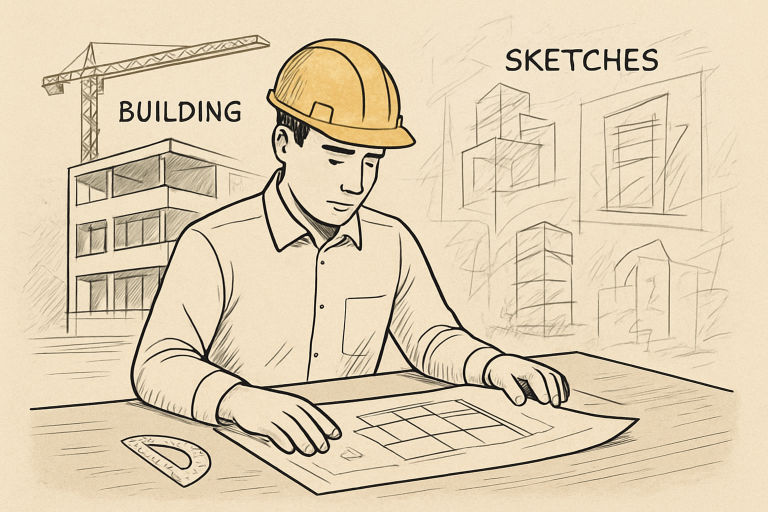
- Concept Development: Early sketches, mood boards, and models help clients visualize options and clarify project direction.
- Design Refinement: Detailing plans, selecting materials, and incorporating technical requirements, prepare the necessary documents for construction.
- Construction Documentation: Architects create precise blueprints and specifications, enabling builders to execute the vision responsibly and accurately.
- Construction Oversight: Active involvement during building helps mitigate problems and safeguard the project’s intended outcome through site visits and coordination.

Embracing Adaptive Design
As lifestyles evolve, so too must the spaces in which we live, work, and play. Adaptive design addresses this need for flexibility. Features such as movable partitions, multi-use rooms, and modular components have become increasingly common in new construction and renovations. By allowing spaces to change function as needed, adaptive design encourages efficiency and reduces waste, resulting in environments that are relevant today and tomorrow. According to Architectural Digest, adaptive reuse and flexible design are rapidly transforming the way architects think about space longevity and community impact.
Integrating Technology in Design
In recent years, technological leaps have revolutionized design practices. Tools like Building Information Modeling (BIM) provide architects with real-time data for collaboration and iteration. These technologies produce highly accurate plans, improve error detection, and facilitate communication between architects, engineers, and clients. In addition, the rise of smart building infrastructure is enabling greater occupant comfort, automated energy management, and a seamless interface with daily activities. The integration of smart building technology is making buildings more attuned to their users, enhancing efficiency and overall well-being.
Prioritizing Sustainability
Environmental stewardship is a guiding principle in modern architecture. Architects make deliberate choices about materials, site placement, and energy systems to lessen ecological footprints. Green roofs, solar panels, passive ventilation techniques, and water harvesting are just some of the solutions architects use to create buildings that interact harmoniously with the environment. The combination of advanced materials and a focus on renewable resources means today’s projects are increasingly resilient, efficient, and healthy for people and the planet.
Collaborating with Clients and Communities
Collaboration stands at the heart of successful architectural outcomes. Architects involve stakeholders at every phase, gathering perspectives from future users and the broader community. This participatory ethos strengthens projects by ensuring that the finished product meets practical requirements and reflects local culture and needs. The process builds trust and encourages a sense of collective achievement. Renowned projects often stem from such deep-rooted engagement, making places more meaningful, inclusive, and enduring.
Overcoming Challenges in Design
Every project presents hurdles, from tight budgets and space constraints to regulatory hurdles and unforeseen site challenges. Architects address these obstacles with resourcefulness and transparent communication. By balancing creative vision with practical realities, they develop innovative solutions that meet current demands while planning for the future. The ability to adapt and problem-solve ensures project outcomes that satisfy both client ambition and technical necessity.
The Future of Architectural Design
Architectural practice is shifting in exciting directions. Trends like biophilic design, which integrates greenery and natural elements to promote well-being, are becoming standard. Simultaneously, artificial intelligence is influencing design analysis, space optimization, and sustainability metrics. Looking forward, architects will continue to adopt technologies that foster richer experiences and build resilience in the face of urban and environmental challenges.
Through creative leadership, technical acumen, and collaborative effort, architects continue to shape environments that serve and inspire. The spaces they create play a vital role in how we live, work, and interact, making architecture an essential force in both everyday life and long-term community growth.