Business
Payroll Tax Compliance: A Small Business Guide

Key Takeaways
- Maintain accurate payroll records to simplify reporting, audits, and employee trust.
- Understand federal withholding requirements, including income, Social Security, and Medicare taxes.
- Comply with state and local tax obligations, noting unique rates and filing schedules.
- Meet all payroll tax filing and payment deadlines to avoid penalties.
- Classify workers correctly to prevent fines and back taxes.
- Stay informed about changing tax laws through updates from the IRS, CRA, and local authorities.
- Utilize payroll software or services to automate calculations, reduce errors, and ensure timely filings.
- Conduct regular payroll audits to catch discrepancies and maintain compliance.
- Ongoing education and proactive processes help protect your business and support long-term success.
Introduction
Running payroll is one of the most important administrative responsibilities for any small business owner. Making sure payroll taxes are handled accurately and on time not only helps businesses avoid costly penalties but also supports employee trust and satisfaction. Partnering with the right payroll services for SMBs in Canada can simplify this complex process and improve compliance, especially as small businesses grow or add new employees.
Payroll tax compliance demands attention to detail, thorough recordkeeping, and a solid understanding of both federal and regional tax laws. Small business owners must stay up to date with changing regulations and adopt effective systems to minimize risk and maintain smooth operations. In this comprehensive guide, we outline the essential steps and practical strategies for small businesses to navigate their payroll tax responsibilities with confidence.
Maintain Accurate Payroll Records
Accurate payroll records form the foundation for tax compliance. Every business must keep detailed information about employee wages, hours worked, and withheld taxes. These records simplify end-of-year tax reporting, serve as proof during audits, and reassure employees that their pay is calculated correctly. The Internal Revenue Service (IRS) and Canada Revenue Agency (CRA) both require employers to retain payroll documentation for several years. Thorough records also help businesses demonstrate compliance with labor regulations and offer critical insights into workforce costs and trends.
It is also essential that payroll records are stored securely and remain accessible in the event of unexpected audits or employee inquiries. Many businesses choose to digitize their payroll files using cloud-based solutions that allow authorized team members to access required data quickly and efficiently. A reliable records management strategy should address both privacy and backup concerns, reducing the risk of data loss or breaches. The right organizational system helps streamline reporting during tax season, saving valuable time and minimizing the risk of clerical errors that could otherwise trigger compliance issues.
Understand Federal Tax Withholding
Federal tax withholding is a cornerstone of payroll compliance. Employers are responsible for deducting federal income tax from employees’ pay according to their Form W-4 elections. In addition, companies must manage Social Security and Medicare contributions, also known as FICA taxes. Both the employer and the employee share these tax obligations, with amounts calculated based on current rates and wage base limits. Keeping up with annual changes in tax codes, such as adjustments to standard deduction amounts and contribution thresholds, ensures accuracy and avoids inadvertent shortfalls.
Employers should also remember that correct federal withholding relies on receiving up-to-date information from their employees. Encouraging team members to review and update their tax forms whenever they experience significant life changes, such as marriage or a new dependent, helps maintain compliance and ensures payroll deductions remain aligned with actual circumstances. Failure to withhold the correct amount can lead to underpayment penalties and potentially create financial difficulties for employees at tax time.
Comply with State and Local Tax Requirements
Beyond federal requirements, small businesses encounter a patchwork of state and local payroll tax laws. Some provinces, states, and municipalities impose their own income taxes, unemployment taxes, or special surcharges. These can include unique filing schedules, different rates, or additional forms. Regular consultation with the relevant state or provincial tax agency is advisable for any business operating in multiple regions. This proactive approach helps companies anticipate updates, fulfill obligations, and avoid compliance lapses.
Meet Filing and Payment Deadlines
Consistently meeting payroll tax deadlines is critical. Businesses are required to file specific tax documents and remit the correct amounts of withheld taxes to federal and local authorities according to regular schedules, such as monthly or quarterly. Missing deadlines can trigger penalties that range from a small percentage of the unpaid amount to substantial fines, depending on the length of the delay. Establishing a digital calendar, setting automatic reminders, or leveraging payroll software can help ensure all deadlines are tracked and met on time.
Classify Workers Correctly
Worker classification is a top compliance concern for many small businesses. Misclassifying employees as independent contractors can result in significant fines and back taxes, especially if the misclassification is discovered during an audit. To determine the correct worker status, employers should evaluate the extent of their control over when and how work is completed, whether the worker provides their own tools, and the permanency of the relationship. When in doubt, consulting government resources or a qualified payroll professional is recommended to avoid issues related to worker misclassification.
Additionally, as remote and hybrid work arrangements become more common, accurately classifying workers across multiple jurisdictions can present new challenges. Each jurisdiction may have different rules governing worker status, so businesses need to maintain detailed records and seek ongoing legal guidance, especially when expanding their workforce into new areas or engaging freelancers for both short- and long-term projects.
Stay Informed About Tax Law Changes
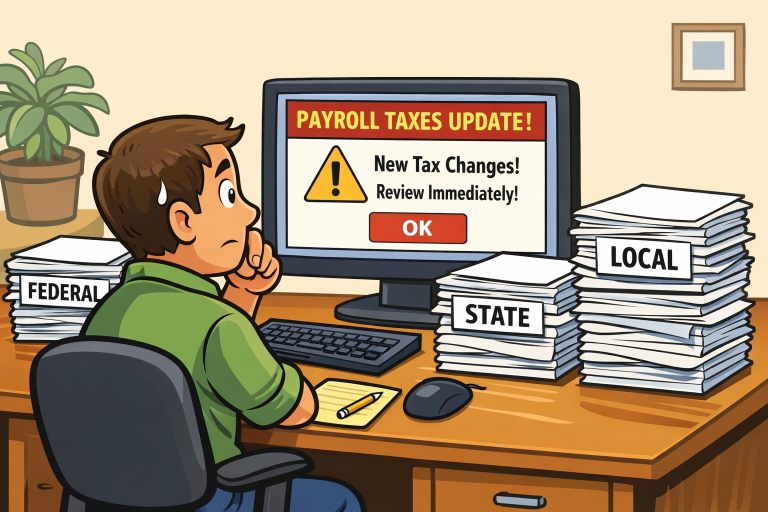
Tax laws are subject to frequent changes, often with little notice. Changes in government policy, annual budget updates, and court rulings can all impact payroll tax obligations for small businesses. Subscribing to updates from the IRS, CRA, and state agencies, as well as joining business associations or subscribing to professional newsletters, can help business owners remain informed and adjust their payroll processes accordingly.

Utilize Payroll Software or Services
Technology can be a tremendous asset in managing payroll tax compliance. Modern payroll software is designed to automate calculations, deductions, and filing tasks, dramatically reducing the risk of human error. Many payroll solutions also update tax tables automatically as laws change. Outsourcing to a trusted payroll provider may be beneficial for businesses that lack the time or expertise to manage payroll internally. These services often provide dedicated support teams and ensure that filings and payments stay on schedule.
Some payroll service providers also offer educational webinars, compliance checklists, and legal updates as part of their packages, which can be especially helpful for growing organizations. Integrations with accounting and HR solutions further centralize company records, making audits and reporting more efficient while freeing up internal resources to focus on business growth.
Conduct Regular Payroll Audits
Routine payroll audits are an effective way to identify discrepancies and correct errors before they escalate into major compliance issues. Audits involve a thorough review of payroll records, verification of classified workers, and analysis of tax withholdings. Best practices include conducting self-audits before significant tax deadlines, after major system changes, or when onboarding new employees. Internal audits also demonstrate due diligence and proactive risk management to external regulators or auditors.
Documenting audit findings and any corrective actions taken is a good practice that strengthens a business’s compliance track record. This documentation not only helps in responding to government inquiries but can also provide valuable lessons and improvements for future payroll cycles, enabling consistent optimization and compliance over time.
Final Thoughts
Payroll tax compliance is a multifaceted but essential component of small business management. With the right processes in place, employers can protect their businesses, employees, and reputations. By focusing on accurate recordkeeping, understanding their obligations, meeting deadlines, and leveraging modern tools, small businesses can navigate their payroll responsibilities smoothly and efficiently. Ongoing education and regular audits further minimize risk, ensuring long-term compliance and business success.