
Health
Decentralized Clinical Trials: What They Are and Why They’re Growing

Published
11 months agoon
By
Realty Fact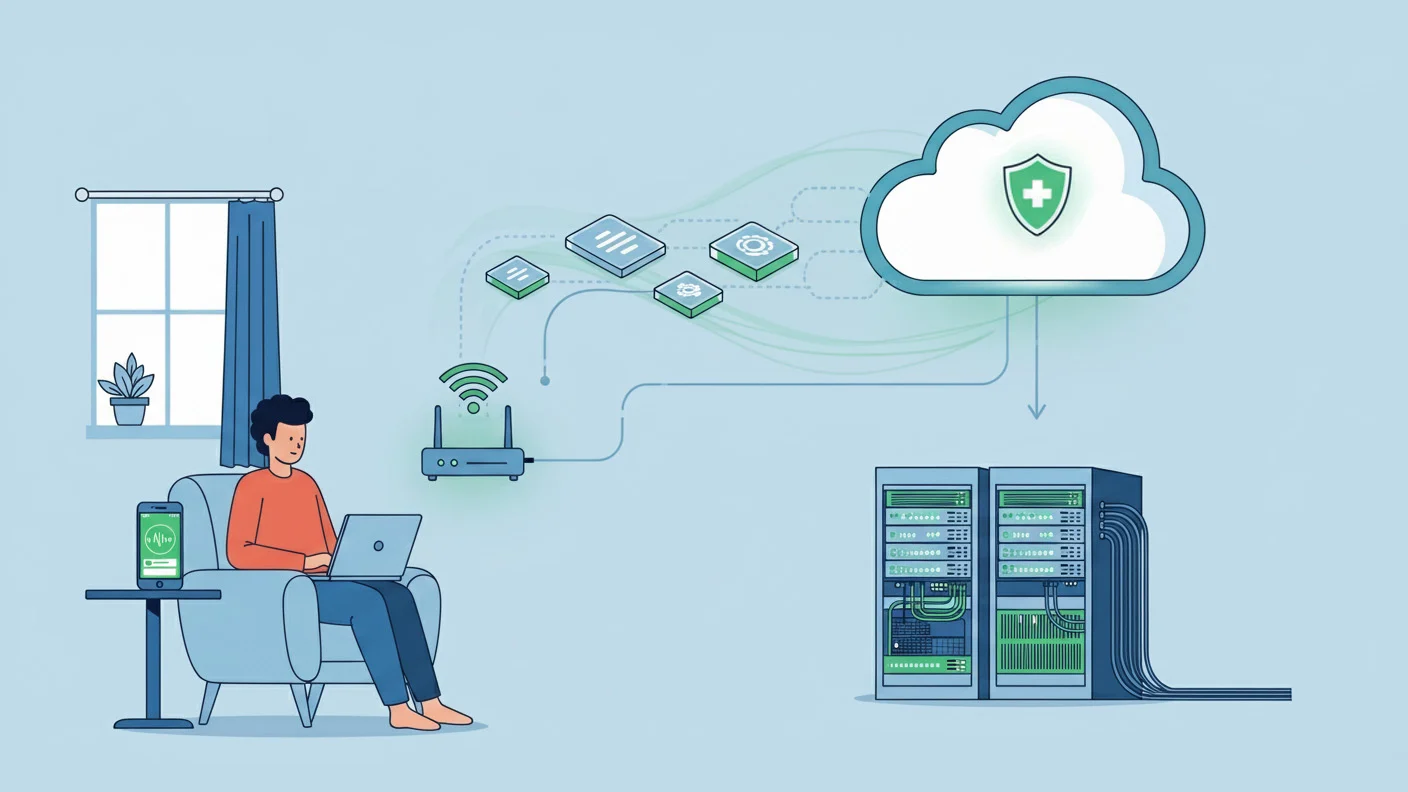
Table of Contents
ToggleKey Takeaways
- DCTs remove geographical and logistical barriers, enabling broader, more diverse participation.
- Telemedicine, digital health tools, eConsent, and home health services streamline trial participation.
- Greater inclusion improves data representativeness and the reliability of outcomes.
- Remote monitoring enhances efficiency, reduces costs, and improves participant retention.
- Regulatory guidance supports the conduct of safe, ethical, and scientifically rigorous decentralized trials.
- Attention to data security and technology access is essential for successful implementation.
Introduction to Decentralized Clinical Trials
Decentralized Clinical Trials (DCTs) are fundamentally reshaping how medical studies are conducted, moving clinical research from traditional, centralized sites to more patient-centered, flexible formats. In this innovative model, participants can join from locations outside a typical study center, such as their homes or local clinics. This shift not only eliminates the need for patients to travel long distances or arrange childcare and time off work but also ensures that those residing in rural or underserved communities gain equitable access to critical research. This approach uses digital health solutions and remote engagement tools to streamline participation and collect data more efficiently, harnessing technology in ways that were considered aspirational only a decade ago. If you’re interested in learning about specific research opportunities, consider exploring opportunities like herpes clinical trials that leverage DCT methodologies.
By removing the barriers of geography and reducing the need for frequent site visits, DCTs help foster greater accessibility and convenience for participants. Traditional studies frequently lose participants due to the strain of repeated travel; in contrast, the decentralized model can accommodate busy lifestyles, disabilities, and patient schedule preferences. As healthcare consumer expectations evolve and technology advances, decentralized models are offering new efficiencies and better patient experiences by empowering individuals to participate according to their unique needs and circumstances.
The rise of decentralized trials is supported by growing evidence that these formats can expand trial participation to include historically underrepresented populations and those living in remote or underserved areas, thereby fundamentally leveling the playing field in clinical research. Hospitals, pharmaceutical companies, regulatory agencies, and healthcare systems are now collaborating to set industry standards and develop new technologies, ensuring that decentralized trials adhere to rigorous ethical and scientific benchmarks. Successful initiatives have already demonstrated the potential for inclusivity, dramatically expanding the reach of medical discoveries.
Key Components of Decentralized Clinical Trials
Implementing a decentralized trial requires a coordinated mix of strategies and technologies that enable data collection, participant engagement, and healthcare delivery beyond the research center. The essential elements of DCTs include:
- Telemedicine: Facilitates direct communication between research subjects and clinicians, supporting remote clinical assessments, follow-ups, and consultations while reducing travel needs. Telemedicine services can be conducted on secure video-call platforms, allowing investigators to observe and interact with patients as needed, providing real-time responses to any issues.
- Digital Health Technologies (DHTs): These include devices and platforms, such as wearables and mobile apps, that continuously track and transmit health data, including heart rate, step count, and medication adherence. These devices can be used by patients in their daily environment, generating a constant data stream for more comprehensive outcome tracking.
- Electronic Consent (eConsent): Digitizes the informed consent process, allowing participants to review and sign documents remotely at their convenience. Improvements in eConsent include embedded educational videos, comprehension checks, and multilingual translations, making the process more user-friendly and legally robust.
- Home Health Services: Utilizes licensed professionals to conduct laboratory tests and vital sign monitoring in the participant’s home, thereby reducing the need for site visits. This can include nursing visits for blood draws, physical assessments, or even administration of investigational medications under controlled protocols.
Benefits Driving the Growth of Decentralized Clinical Trials
- Enhanced Participant Accessibility: DCTs enable more diverse populations to enroll and stay engaged in studies, particularly vulnerable or geographically isolated patients. By reducing transportation and logistical burdens, DCTs open up research opportunities to people who would otherwise be unable to participate.
- Improved Diversity and Inclusion: By minimizing logistical burdens, decentralized models attract groups that may have been previously excluded from clinical research, leading to more representative data for future therapies. This helps ensure that new treatments work across genders, ages, races, and co-existing medical conditions.
- Increased Efficiency: Real-time, remote data transmission accelerates recruitment, enrollment, and monitoring, often resulting in reduced trial costs and shorter completion times. Digital platforms can automate reminders, make scheduling seamless, and identify potential compliance issues earlier, thereby decreasing the administrative workload.
- Higher Retention Rates: In-home participation and remote check-ins drive greater adherence and reduce dropouts, ultimately strengthening study reliability. Participants can receive support in real time, address adverse reactions or questions quickly, and avoid disruptions that may occur with traditional models.
Regulatory Support and Guidelines
Regulatory agencies, such as the U.S. Food and Drug Administration (FDA), have responded with guidance that highlights best practices for DCTs. Their recommendations focus on maintaining data validity, protecting participant safety, and standardizing digital procedures across study sites and populations. By formalizing a regulatory framework, authorities are helping industry stakeholders adopt decentralized models with confidence and consistency. The introduction of clear regulatory pathways also reassures sponsors that data generated by DCT will be acceptable in drug approvals.
Technological Innovations Facilitating DCTs
The backbone of decentralized trials is a robust digital infrastructure. Recent developments in wearable health monitors, mobile apps for tracking outcomes, and telehealth services enable the collection of precise, real-time data from afar. Integrated platforms can automate reminders, synchronize scheduling, and ensure two-way communication between participants and researchers. These innovations have dramatically expanded the potential for patient engagement outside the clinic and drive continuous data collection that can lead to deeper analysis and more meaningful outcomes. Advanced analytics, powered by artificial intelligence, can monitor data trends and alert study teams to unexpected events, helping proactively maintain patient safety and study integrity.
Challenges and Considerations
- Data Security and Privacy: With increased data transfer and remote collection, maintaining participant privacy and defending against cyber threats is paramount in DCT design and execution. Cybersecurity protocols and reliable encryption must be built into all digital platforms, with strict monitoring in place to identify and address vulnerabilities.
- Regulatory Compliance: Navigating local and international regulations adds a layer of complexity, particularly when deploying multinational or multi-state studies where laws and standards vary. Understanding requirements like GDPR in Europe or HIPAA in the US is crucial for global trials.
- Technological Barriers: Not all participants have equal access to reliable internet or are comfortable with digital tools, which can introduce disparities if not proactively addressed. Providing training and technical support, as well as offering devices when necessary, is often a key component of a successful DCT.
- Standardization: Harmonizing data collection, participant monitoring, and reporting protocols across dispersed study populations is crucial to ensure the integrity of results. Consistent platforms and standardized procedures minimize variability that could threaten data quality.
Future Outlook of Decentralized Clinical Trials
As technology advances and regulatory frameworks evolve, DCTs are expected to become an industry standard in clinical research. Hybrid study models—blending elements of traditional and decentralized approaches—are likely to be prominent as sponsors, investigators, and regulators gain greater experience with remote trial methodologies. Collaboration among industry, government, patient advocacy groups, and healthcare providers will play a crucial role in addressing ongoing challenges and scaling the global adoption of DCTs. The increasing adoption of decentralized models is likely to drive more rapid innovation in trial design, data management, and patient support tools, ultimately making trials faster, more user-friendly, and cost-effective.
Ultimately, as best practices are developed and shared, decentralized trials are positioned to deliver safer, more efficient, and more equitable healthcare innovations worldwide. This democratization of medical research promises to accelerate development timelines while ensuring that therapies are tested in diverse, real-world populations, reflecting the needs of patients everywhere.
Final Thoughts
Decentralized Clinical Trials are revolutionizing medical research by making participation more convenient, efficient, and inclusive. With ongoing improvements in digital health tools and regulatory guidelines, these studies represent the path forward for patient-centered, high-quality clinical evidence. Addressing security, technological, and regulatory challenges proactively will ensure that DCTs continue to advance the field, leading to better health outcomes for all. The coming years are likely to see a surge in decentralized and hybrid trials, shaping a more equitable landscape for future drug and device development.