
Health
Advancements in Digital Technology: Shaping the Future of Dental Surgery Education

Introduction
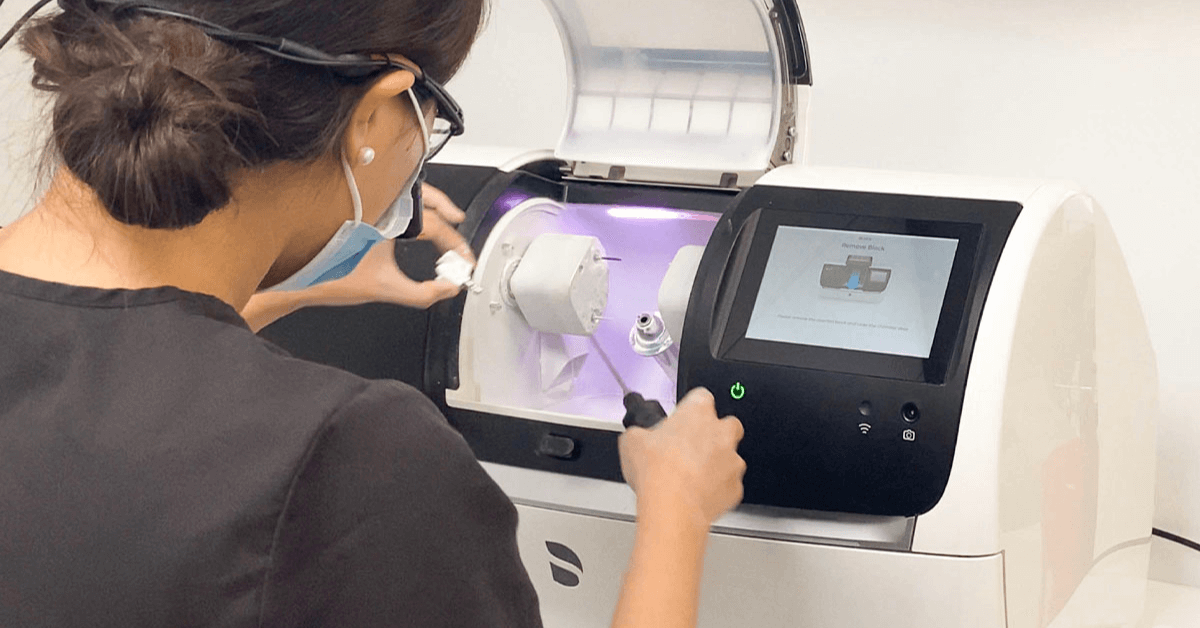
The landscape of dental education is being transformed by digital technology, offering unprecedented opportunities to refine how future dentists are trained. Institutions such as the Pikos Institute are leading this charge, integrating cutting-edge digital tools that enhance learning outcomes and patient care. Through precise diagnostics, streamlined workflows, and immersive training, digital advancements help dental students bridge the gap between theoretical learning and clinical excellence.
Today’s digital innovations are not just supplementary but essential, empowering dental surgery education to meet the needs of a rapidly evolving profession. The demand for dentists skilled in these technologies is rising, making digital literacy a fundamental component of modern curricula and safeguarding the highest standards of care for future patients.
Intraoral Scanners: Enhancing Diagnostic Accuracy
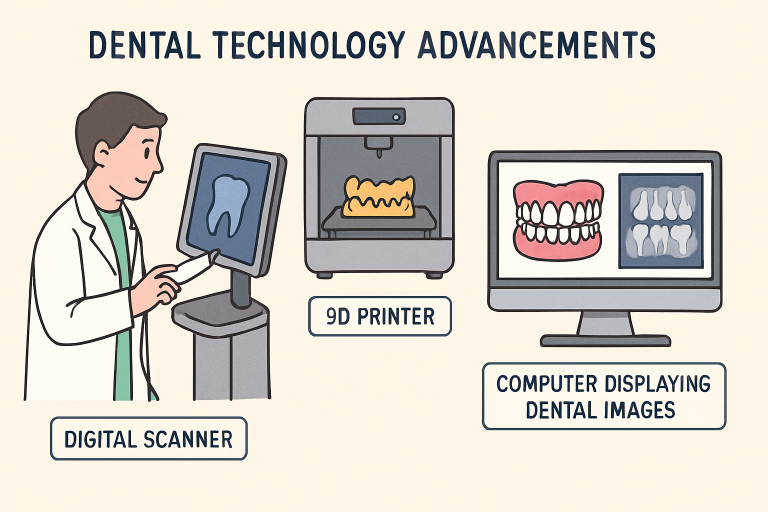
Intraoral scanners have ushered in a new era of precision in dental diagnostics. These compact, camera-based devices capture detailed three-dimensional images of the oral cavity, allowing instructors and students to analyze oral health with far greater accuracy than traditional impression materials. The precise visuals help create digital records, streamline the diagnosis process, and facilitate more effective treatment planning.
Dental students gain practical experience with intraoral scanners, learning to recognize subtle abnormalities while providing a more comfortable and efficient patient experience. Moreover, these devices reduce the risk of errors, improve communication with dental labs, and enhance visualization during training sessions, ensuring future dentists are well-versed in state-of-the-art diagnostics.
3D Printing: Revolutionizing Dental Prosthetics
The integration of 3D printing into dental education radically changes how students approach restorative procedures. This technology enables rapid, on-site production of custom dental prosthetics, such as crowns, bridges, and surgical guides. The immediacy of 3D printing means students move confidently from digital design to hands-on fabrication, deepening their understanding of both prosthodontic concepts and advanced manufacturing processes.
3D printing not only reduces turnaround time for prosthetics but also increases customization and precision. Dental students learn the principles of CAD/CAM technology, prosthetic design, and materials science—skills directly transferable to future practice. According to the American Dental Association, digital and 3D-printed dental devices are rapidly becoming the standard of care, further solidifying their relevance in education.
Artificial Intelligence: Transforming Diagnostics and Treatment Planning
The use of artificial intelligence (AI) in dental surgery education is transforming how future practitioners learn to diagnose and plan treatments. AI-driven systems can analyze large sets of radiographic data and patient histories, identifying patterns that the human eye might miss. By guiding students through complex decision-making processes, these systems foster analytical skills and diagnostic acumen. According to the World Economic Forum, emerging AI and robotic technologies are increasingly shaping medical education, providing immersive simulations that enhance both learning and procedural accuracy. AI applications provide real-time feedback, risk assessments, and treatment suggestions, supporting both novice learners and experienced instructors in making evidence-based decisions. These advancements not only speed up the diagnostic process but also enhance the overall quality of education, as students receive data-driven insights that inform their clinical practice.
Augmented and Virtual Reality: Immersive Learning Experiences
Augmented reality (AR) and virtual reality (VR) are reshaping the dental education experience for students. These technologies create highly immersive simulations where students practice procedures—such as implant placement, suturing, or extractions—in safe, controlled environments. AR overlays digital content onto real-world models, while VR places students in entirely virtual clinical scenarios, enhancing their dexterity and confidence. The hands-on approach offered by AR and VR enables students to perfect techniques without risk to patients. It also allows educators to monitor performance, provide instant feedback, and customize learning pathways for each student. The adoption of these tools means future dentists will be both technically proficient and adept at navigating real-world challenges.
Teledentistry: Expanding Access to Education and Care
Teledentistry connects dental professionals and patients in real time, regardless of geographic location, via secure digital platforms. For students, this means greater exposure to remote consultation techniques, collaborative diagnosis, and the delivery of follow-up care. The skills acquired in teledentistry are essential as virtual healthcare models become more prevalent, especially in underserved regions where in-person access is limited. By incorporating teledentistry into curricula, dental schools expand students’ abilities to communicate in multi-disciplinary teams, triage emergencies, and manage virtual patient records.
Challenges and Considerations in Digital Integration
Digital transformation presents both opportunities and obstacles for dental education. High initial investment, ongoing training for students and faculty, and ensuring robust data security are significant hurdles. Programs must develop comprehensive curricula that address not only technical skills but also privacy laws, ethical implications, and ongoing technological developments.
Ultimately, successful integration requires collaboration between educational institutions, industry partners, and regulatory bodies to ensure access, affordability, and alignment with clinical standards.
Conclusion
Digital technology is redefining dental surgery education by enhancing learning experiences, increasing precision, and improving patient outcomes. By adopting intraoral scanners, 3D printing, AI, AR/VR, and teledentistry, educational institutions are equipping the next generation of dentists with the skills and perspectives needed to excel in a digital world. By anticipating future trends and preparing students accordingly, the dental community is positioned to deliver safer, more effective care to patients everywhere.