
News
How to Reduce Risks and Save on Home Insurance Premiums

Published
6 months agoon
By
Realty Fact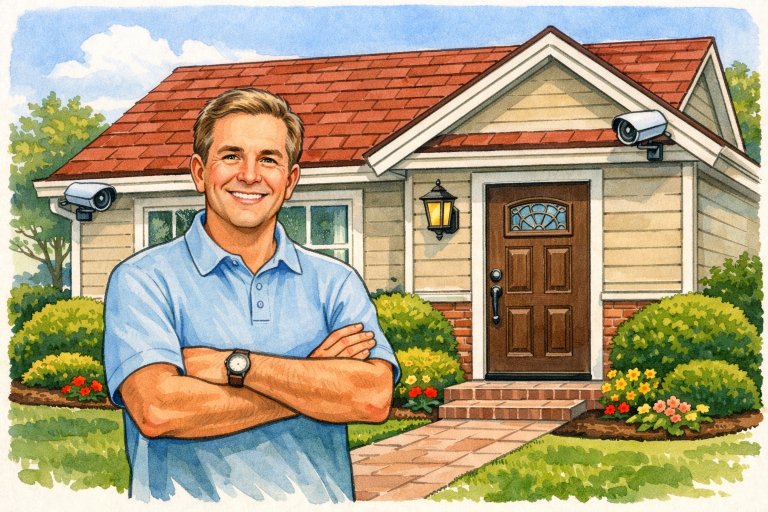
Homeownership means not just investing in a place to live but also taking proactive steps to protect your property and finances from unexpected events. Simple, strategic actions can enhance your safety, minimize risks, and lead to noticeable savings on your homeowners insurance premiums over time. Understanding the connection between risk reduction and potential discounts helps you make smart choices as a homeowner.
By being mindful of improvements and keeping your property in top shape, you gain peace of mind and may also benefit from reduced insurance costs. Insurers generally reward those who prioritize safety and maintenance, so staying informed about different savings opportunities is wise for any homeowner.
No matter the age or location of your home, keeping up with preventive steps and regular updates is key. Homeowners who regularly upgrade or maintain their property are in a better position to secure lower insurance rates. This proactive approach not only protects your family and investment but can also help you budget more effectively for the future.
It’s worth noting that bundling your home insurance with other lines of coverage, such as car insurance, often results in significant financial benefits as well. Keeping an overall risk-reduction mindset can reward you beyond just your home policy.
Table of Contents
ToggleAssess Your Home’s Vulnerability
Begin by conducting a thorough evaluation of your home’s exposure to regional risks, such as floods, earthquakes, wildfires, or storm damage. Geographic location and local climate play a considerable role in determining your property’s risks. By identifying vulnerabilities, you can decide which upgrades or precautions are most important for safeguarding your residence and reducing premiums. Understanding your unique risk factors is a vital first step in disaster preparedness.
Implement Home Hardening Techniques
Home hardening refers to strengthening your house against specific environmental threats. Insurance companies often provide discounts for homes that show increased resilience. Consider these practical improvements:
- Roof Upgrades: Opt for impact-resistant or wind-rated roofing materials, especially if you live in hail-prone or storm zones. These materials can minimize the need for costly repairs after extreme weather.
- Window and Door Reinforcements: Installing storm shutters, impact glass, or reinforced doors provides robust defense against high winds and flying debris.
- Fire-Resistant Landscaping: Maintain a buffer zone around your home by clearing out dry brush, dead trees, and flammable materials. This step reduces wildfire risk and can sometimes result in lower insurance costs.
Such improvements are often linked to premium reductions because they decrease the likelihood of significant claims. For more on which renovations can reduce insurance costs, see CBS News’ guide to home renovations that can cut insurance costs.
Upgrade Essential Systems
Outdated electrical, plumbing, and heating systems are some of the leading causes of preventable household incidents. By modernizing systems, you not only improve daily safety but also limit the chance of claim-worthy accidents such as fire or flooding. New wiring, up-to-code plumbing, and leak detection devices can result in fewer emergencies and may qualify you for insurance discounts due to the reduced risk profile of your property.
Install Security Systems
Adding monitored security features is another proven way to lower your insurance bill. Burglar alarms, smart smoke detectors, security cameras, and locks provide significant deterrence to break-ins and fires. Many insurers offer lower rates for homes equipped with modern security measures, acknowledging the decreased risk of claims for both theft and accidental damage. Recent studies highlight that security systems not only help prevent burglaries, but they may also influence insurers’ premium calculations.
Maintain a Claims-Free Record
Insurance providers typically reward those with few or no claims with lower costs at renewal. Handling smaller repairs out of pocket is sensible, as frequent claims can lead to premium hikes. Reserve insurance claims for significant losses so insurers consider you a lower risk and eligible for loyalty discounts.
Opt for Higher Deductibles
Selecting a higher deductible can reduce your monthly or annual premium payments, making coverage more affordable long-term. It’s important to set the deductible at an amount you can comfortably manage in case a claim is necessary. Review your financial situation and choose wisely to strike a balance between affordability and protection.
Bundle Insurance Policies
Combining your home insurance with other policies, such as auto or life insurance, often leads to multi-policy discounts. This simplifies management and saves money overall, as many insurers offer attractive rates to loyal, multi-line customers.
Regularly Review and Update Your Policy
Your insurance needs can change as your life evolves. Regularly assess your policy, especially after making home improvements or installing new security features, to ensure your coverage and premiums remain appropriate. Notify your provider about upgrades, as you may qualify for additional savings. Reviewing your policy also ensures you are not over- or under-insured in relation to your home’s current value.
Incorporating risk reduction strategies into your home care routine not only helps protect your investment but also puts you in a position to save money on insurance. Staying proactive about both physical improvements and insurance details ultimately results in stronger security and better financial outcomes for responsible homeowners.