
Home Improvment
Common Roofing Problems and How to Address Them

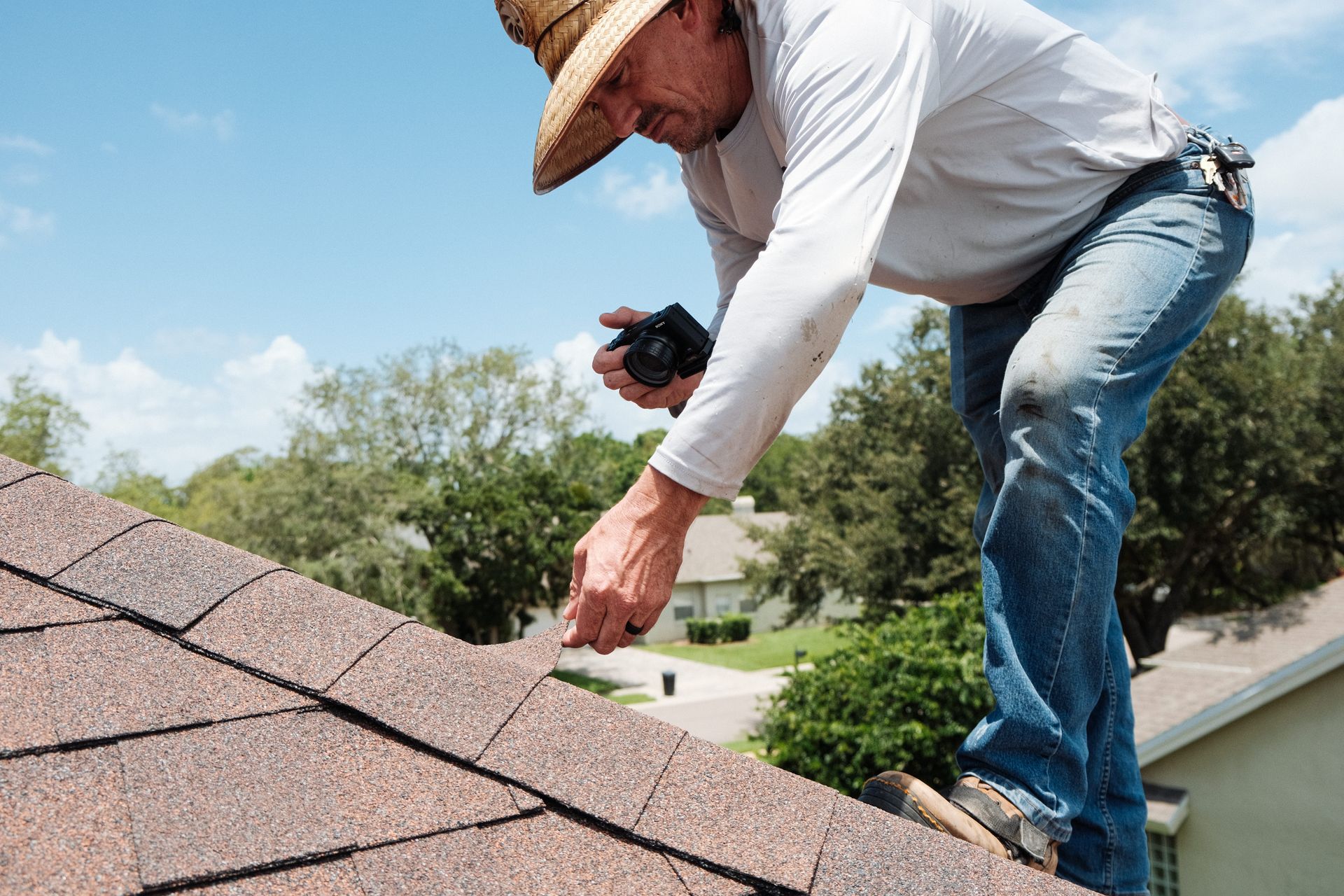
Key Takeaways
- Regular inspections can prevent minor issues from escalating into major repairs by catching potential problems early.
- Addressing damaged shingles promptly helps maintain the roof’s protective barrier against weather and moisture infiltration.
- Ensuring proper ventilation and drainage prevents costly moisture-related problems such as mold, mildew, or rot.
- Professional assistance is recommended for complex roofing issues to ensure long-term durability and a safe home environment.
Maintaining a sturdy and reliable roof is essential for protecting your home from the elements. As your home’s first line of defense, your roof shields you from rain, wind, and extreme temperatures. However, various issues can arise over time, compromising your roof’s integrity and ultimately affecting both safety and comfort within your living space. Minor issues that go unnoticed can lead to significant, expensive repairs down the line. Understanding these common problems and their solutions can help you take proactive measures to ensure your roof remains in optimal condition for years to come. For homeowners in Eastern North Carolina, Assist Roofing Roofer North Carolina offers expert roofing services, specializing in energy-efficient metal roofs designed to withstand high winds up to 160 mph. Their knowledge and expertise are particularly well-suited to the unique climate challenges found in this region, providing homeowners with peace of mind.
1. Roof Leaks
Roof leaks are among the most common and potentially damaging issues homeowners face. Leaks often occur near chimneys, vents, flashing, skylights, or where shingles have been damaged or gone missing. They can also develop in roof valleys or low points where water tends to collect. Regular inspections can help identify potential leak sources before they cause significant internal damage to your home’s insulation, ceilings, and even electrical systems. If you notice water stains on your ceiling or walls, bubbling paint, or mold growth, it’s crucial to have your roof inspected immediately before the problem worsens. Early intervention is crucial, as even minor leaks can eventually compromise the overall structural integrity of your roof. This Old House offers a comprehensive guide on identifying and resolving common roof issues. Often, a professional roofer can perform a careful inspection, isolate the source of the leak, and conduct repairs that will restore the waterproof barrier.
2. Damaged or Missing Shingles
Shingles serve as a primary layer of protection for your roof and can be damaged by high winds, hail, extreme heat, or falling debris, such as tree branches. Missing or broken shingles expose the underlayment and roof deck to water infiltration, which can lead to leaks, wood rot, and eventual structural damage. Even a single lost shingle can compromise a large section of your roof if left unaddressed, as water finds any available gap to enter. Promptly replacing damaged shingles and ensuring proper overlapping installation can prevent further issues such as widespread water damage or mold growth. Homeowners should also watch for curling, cracking, or granule loss on shingles, which are signs of weathering and potential failure. For more information on common roofing problems and their solutions, refer to the National Roof Certification & Inspection Association. Regular maintenance, especially after storms, ensures your roof always performs at its best.
3. Poor Ventilation
Proper roof and attic ventilation is essential for regulating heat and moisture levels within your home. Inadequate ventilation can lead to excessive heat buildup during the summer months, which can cause shingles to bake from beneath and increase your home’s cooling costs. In the winter, poor ventilation can lead to condensation, which promotes the growth of mold, mildew, and wood rot, ultimately weakening the roof structure. Installing ridge vents, soffit vents, or attic fans can vastly improve airflow and prevent these issues. Well-designed ventilation systems encourage a continuous flow of outside air through the attic, removing excess heat and moisture, and helping maintain consistent indoor temperatures year-round. Proper ventilation will also maximize the lifespan of your shingles and save energy in both hot and cold seasons.
[suggestion]A simple illustration showing a roof with various common problems highlighted, such as missing shingles, clogged gutters, a leaking area, and overhanging tree branches.[/suggestion]
4. Standing Water
Flat or low-slope roofs are particularly susceptible to standing water, which often accumulates after heavy rainfall if drainage systems are inadequate or if the roof develops low spots due to age or damage. Standing water can accelerate the deterioration of roofing materials, compromise the waterproof membrane, and ultimately lead to leaks or even roof collapse under extreme conditions. Water left standing for more than two days becomes a breeding ground for mold and algae, posing additional risks. Ensuring proper drainage by installing tapered insulation, clearing debris from roof surfaces, and promptly addressing any sagging areas can help mitigate this problem. Sometimes, professional roofers can install additional drains or make slope adjustments to eliminate the risk of ponding water. Regular checks are essential, particularly after storms or harsh winters.
5. Flashing Failures
Flashing is critical for sealing the areas where your roof meets a chimney, skylight, dormer, or vent pipe. These intersecting points are inherently vulnerable to leaks, especially as flashing ages or if installed improperly. Weather exposure, temperature fluctuations, and even minor roof movement can cause flashing materials to crack, rust, or come loose, leading to concealed leaks. Regularly inspecting flashing for signs of wear or gaps and replacing damaged sections can prevent significant water intrusion and expensive repairs. A professional roofer will use high-quality, weather-resistant materials and strive for a watertight seal at every critical junction of your roof.
6. Clogged Gutters
Gutters are essential for channeling rainwater safely off your roof and away from your home’s foundation. When gutters become clogged with leaves, twigs, or shingle debris, they overflow, causing water to back up under roofing materials or down exterior walls. This can create damp patches, leaks, and even lead to damage around doors, windows, and basements. Cleaning gutters after storms and at every season change is a simple preventative step that can safeguard both your roof and your home’s structural integrity. Installing gutter guards may also help reduce maintenance needs and prevent frequent clogs, particularly in areas with dense tree coverage.
7. Tree Damage
Overhanging tree branches can pose a significant threat to your roof in numerous ways. They can repeatedly scrape and scuff roofing materials during windy days, reducing their effective lifespan. In severe weather, large limbs may break off and fall directly onto your roof, causing immediate and extensive damage to shingles, flashing, or gutters. Trimming trees back at least 6–8 feet from the roof is strongly recommended to maintain a safe distance and minimize these risks. Additionally, keeping your roof clear of leaves and branches that may accumulate will prevent unnecessary strain and help gutters function properly throughout the year.
8. Improper Installation
Incorrect installation of roofing materials can create long-term vulnerabilities. When a roof is improperly installed, seams, fasteners, and flashing may not perform as intended, resulting in gaps that allow water to enter or structural weaknesses that make the roof more susceptible to damage during storms. Even high-quality materials can fail prematurely if not installed according to manufacturer guidelines or local code requirements. Hiring experienced professionals ensures that every phase of your roof system—from underlayment to shingle layout and flashing placement—is done correctly, maximizing the longevity and effectiveness of your investment. A well-installed roof provides peace of mind and superior performance in all weather conditions.
9. Aging Roof
As your roof ages, its materials naturally degrade due to prolonged exposure to harsh elements, including sun, wind, and rain. Over time, shingles lose their flexibility, crack, or become brittle, while underlayments may deteriorate. This aging process makes your roof increasingly vulnerable to leaks, storm damage, and other issues. Regular inspections will help you assess the condition of your aging roof and allow for timely repairs or targeted upgrades. By addressing problems proactively, you can extend the functional lifespan of your roof and potentially delay the need for a full replacement.
10. Lack of Maintenance
Neglecting routine inspections and upkeep can allow minor issues to escalate into major problems that are costly and disruptive to fix. Everything from unnoticed leaks and damaged shingles to clogged gutters and missing flashing can turn into bigger headaches if left unattended. Scheduling professional inspections twice a year, ideally in spring and fall, allows trained eyes to detect and repair issues early. In addition to professional checks, homeowners should pay attention to visible changes or damage after severe weather events and perform regular maintenance, such as gutter cleaning. Consistent care helps you avoid unpleasant surprises and ensures your roof provides reliable protection throughout its expected lifespan.
By staying vigilant and addressing these common roofing problems promptly, you can protect your home and avoid costly repairs in the future. Taking a proactive approach to roofing maintenance not only extends the life of your roof but also protects the investment you have made in your property, preserving its value and enjoyment for many years to come.