
Home Improvment
Emergency Power Solutions for Homeowners

Key Takeaways
- Different emergency power systems exist, each suited for specific needs and priorities.
- Professional installation and ongoing maintenance are essential for optimal safety and equipment lifespan.
- Choices should balance reliability, budget, and environmental responsibility.
As severe weather events and grid failures become more common, homeowners are increasingly concerned about maintaining a steady power supply. Being prepared for outages can mean the difference between comfort and chaos, making it essential to understand your emergency power options and how they fit your needs. For those in need of professional generator installation in Franklin, acting before an emergency strikes ensures you are never left in the dark.
Whether you’re considering a portable generator, a whole-home backup, or a sustainable solar solution, each comes with its own strengths, installation requirements, costs, and environmental factors. By taking a closer look at these options, you can make informed choices that safeguard your home and family.
Understanding Power Outages
Power outages are often abrupt and unpredictable, caused by factors such as extreme weather, accidental grid damage, or equipment failures. In addition to natural disasters, outages can occur due to grid overloads, mechanical failures, or scheduled maintenance. As our reliance on electronic devices and smart home systems grows, even brief outages can disrupt daily life, security, and comfort. This growing complexity underscores the need for proactive solutions in modern households.
Aside from generators and backup power options, addressing electrical issues quickly and safely is vital for overall home resilience. If you encounter wiring or circuit concerns, a professional electrical repair service in Franklin can swiftly restore safety and functionality, complementing your emergency power systems. Regularly reviewing your home’s electrical system and updating outdated components can prevent minor issues from escalating into major outages. Additionally, keeping essential devices charged and having alternative lighting options on hand ensures that your household remains safe and functional during unexpected power interruptions.
Types of Emergency Power Solutions
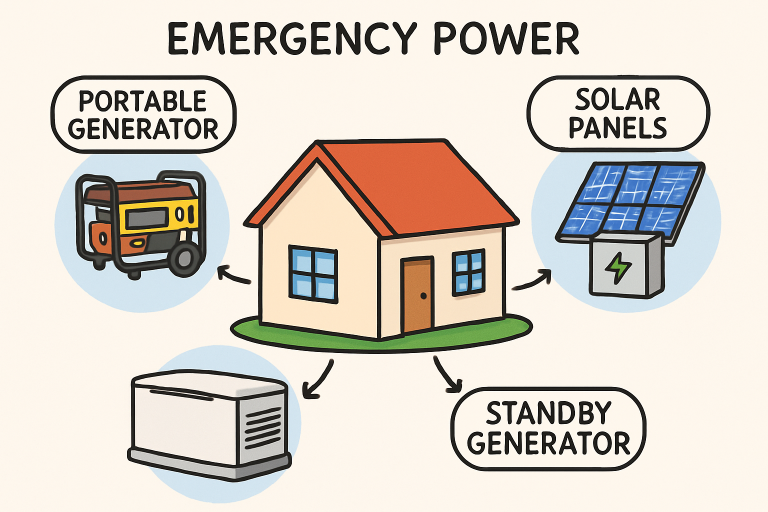
Choosing the right system depends on several key factors, such as your household’s energy needs, property layout, and long-term goals. Here’s a breakdown of the most common emergency power solutions for homeowners:
- Portable Generators: A cost-effective and flexible solution, portable generators can power vital appliances like refrigerators, lights, and sump pumps. They are usually gasoline or propane-powered and require manual setup and refueling. While they are relatively easy to store and move, using them safely outdoors and keeping backup fuel on hand are crucial to avoid carbon monoxide risks.
- Standby Generators: More robust and convenient, standby generators are permanently installed outside the home. Connected directly to your natural gas or propane supply, these systems kick in automatically when your main power fails. They can power your entire home and require less hands-on involvement, making them ideal for those who prioritize seamless, uninterrupted power.
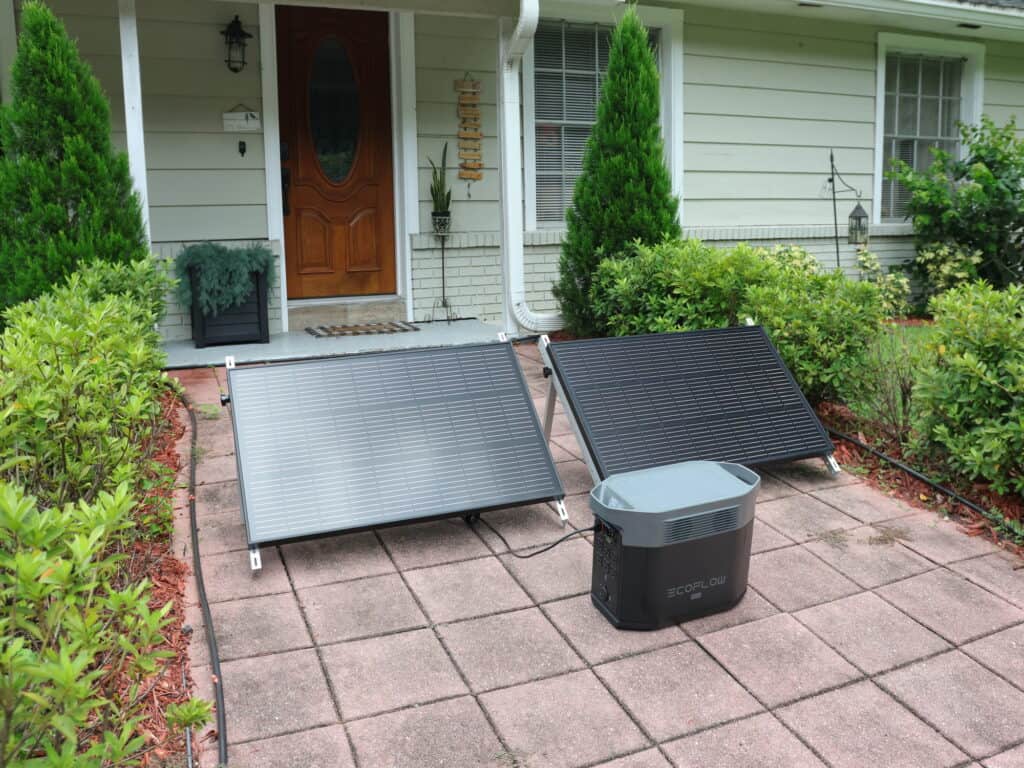
- Solar Power Systems with Battery Storage: Green-conscious homeowners often opt for solar panels paired with battery storage systems. These systems not only generate renewable energy but also store excess power for use during outages. According to the U.S. Department of Energy, understanding how solar energy integrates with storage systems can help homeowners maximize efficiency and reliability. Although the initial investment is higher, solar-plus-storage offers energy independence and potential long-term savings.
Installation and Maintenance
Safety and efficiency hinge upon proper installation and diligent maintenance. Professional installation ensures your generator or backup system is sized correctly, safely wired, and compliant with local codes. For instance, standby generators require licensed electricians and sometimes city permitting, as the complexities of dealing with high voltages and main panels go well beyond a DIY project.
Routine Upkeep
All systems need periodic inspection and performance checks. This includes testing portable generators, monitoring fuel quality, cleaning filters, and running system diagnostics for standby and solar-powered solutions. Scheduling regular maintenance helps identify wear and tear or potential failures before an emergency arises—a step recommended by the Consumer Reports generator guide. Regular maintenance not only ensures reliability during critical moments but also extends the lifespan of your equipment. Staying proactive with inspections can save both time and money by preventing unexpected breakdowns.
Cost Considerations
Understanding the total cost of ownership goes beyond the sticker price. Portable generators are the most affordable, usually ranging from $500 to $2,500, but they require regular fuel purchases and may have shorter operational lifespans. Standby generators typically cost between $3,000 and $10,000, including installation. However, they offer exceptional reliability and convenience that some homeowners may find worth the premium.
Solar and battery systems have the highest upfront costs, often exceeding $10,000, but can pay for themselves over time through reduced utility bills and eligibility for federal or state tax credits. Homeowners should also factor in the potential costs of regular professional maintenance and emergency repairs.
Environmental Impact
Evaluating the ecological effects of your power backup choice is equally important. Generators fueled by gasoline, diesel, or propane produce emissions that contribute to air pollution and greenhouse gas emissions. Solar power systems, on the other hand, harness clean, renewable energy while reducing your long-term carbon footprint. With growing global attention to climate change and clean energy, solar options are an increasingly attractive and responsible investment.
Choosing the Right Solution
There is no one-size-fits-all answer when it comes to emergency power for homeowners. Evaluate your household’s power requirements based on critical appliances, the expected duration of outages in your area, and your readiness for regular maintenance or refueling. Budget, local code requirements, and environmental values should guide your final decision. Consulting with licensed contractors and energy professionals further tailors your solution to your home’s specific needs and provides peace of mind before, during, and after an outage.
Conclusion
Investing in the right emergency power solution protects your home, loved ones, and lifestyle from the consequences of unexpected outages. From affordable portable units to sustainable solar+battery options, each solution requires careful thought and professional input. Prioritize the system that fits your energy needs, budget, and environmental ethos to ensure resilience and reliability, no matter what comes your way.