
Home Improvment
How Hard Water Treatment Enhances Your Home’s Water Quality

Key Takeaways
- Hard water causes scale buildup, reducing appliance efficiency and increasing maintenance costs.
- Water softeners and filtration systems can remove or neutralize the minerals that cause water hardness.
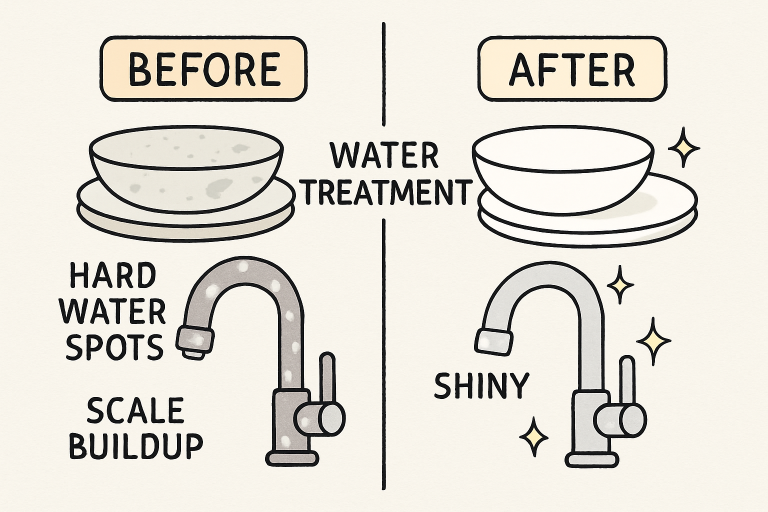
- Softened water results in cleaner, brighter laundry, spot-free dishes, and gentler effects on skin and hair.
- Several hard water treatment options exist, each tailored to different household needs and sizes.
Hard water, characterized by elevated levels of minerals such as calcium and magnesium, is a common issue in many households, particularly in regions with mineral-rich water sources. These minerals can lead to both minor nuisances and significant challenges over time. Whether you’re noticing spots on your dishes or battling limescale buildup on fixtures, installing hard water treatment Tampa can make a remarkable difference not only to your plumbing but also to your daily comfort. Improving your home’s water quality through effective treatment extends the life of your appliances and promotes healthier skin and cleaner laundry.
Understanding how hard water affects your home and the available treatment methods is essential for any homeowner. With the right information and resources, you can make an informed decision that delivers lasting benefits for your household. From modern water softeners to advanced filtration systems, the path to better water starts with recognizing how these solutions address hard water problems.
Understanding Hard Water
Hard water forms when water passes through underground mineral deposits, accumulating elements like calcium and magnesium along the way. While these minerals are not dangerous to health, their presence in household water can lead to a series of unwanted effects. The U.S. Geological Survey notes that over 85 percent of U.S. homes experience hard water to varying degrees. The severity of hard water in your home typically depends on your region and local water sources.
Effects of Hard Water on Household Appliances
One of the earliest signs of hard water is scale buildup inside your plumbing and appliances. This buildup narrows pipe openings, impedes water flow, and reduces the efficiency of dishwashers, water heaters, and washing machines. As appliances work harder to perform basic functions, their energy consumption rises, leading to increased utility bills and the need for more frequent repairs or replacements. According to the Environmental Protection Agency, even a small amount of scale in a water heater can reduce efficiency and longevity, forcing homeowners to invest in new appliances sooner than expected.
Personal Care Impacts
Hard water can also have a noticeable impact on personal care. The mineral content often leaves behind residues that can make skin feel dry or tight and can cause hair to become dull and less manageable. Soaps and shampoos struggle to create a rich lather in hard water, leaving a film on both skin and hair and making rinsing more difficult. These effects can be particularly pronounced for those with sensitive skin or specific skin conditions. By installing a water softening system, you can experience softer skin, shinier hair, and more thorough cleansing with less soap and product waste.
Common Hard Water Treatment Methods
There are a variety of solutions to address hard water, each offering unique benefits based on your household’s needs:
- Ion Exchange Water Softeners. This popular system replaces hardness-causing minerals with sodium or potassium ions, resulting in noticeably softer water throughout your home. These systems are effective at preventing future scale buildup and preserving your plumbing and appliances.
- Reverse Osmosis Filtration. Reverse osmosis systems use a high-quality membrane to filter out minerals and impurities from your water. While typically installed at a single faucet, these systems provide purified drinking water and can also reduce other contaminants, including lead and chlorine. For whole-house solutions, additional systems may be required.
- Salt-Free Water Conditioners. These alternatives to traditional softeners use electromagnetic or chemical processes to alter the crystallization of minerals, helping prevent scale from forming on surfaces. Although salt-free systems may not remove minerals, they can be effective at keeping pipes and appliances cleaner.
Choosing the Right Treatment for Your Home
The ideal water treatment solution depends on your home’s specific conditions, such as the measured hardness of your water, the number of household members, and overall water consumption. Consulting a trusted water quality expert helps you assess these factors and select the most efficient, cost-effective system. Many treatment companies offer free water tests to determine mineral levels and recommend the best system for your needs. When evaluating your options, be sure to consider maintenance requirements, costs, and whether you prefer traditional or salt-free technology.
Conclusion
Addressing hard water with the right treatment methods improves the quality of your home’s water and your daily living experience. From extending appliance longevity and lowering energy costs to improving skin and hair health, the benefits span every corner of household life. By investing in a reputable water treatment system, you take a proactive step toward better water quality, reduced maintenance, and enhanced comfort for your family.