
News
How Land Management Services Can Protect and Enhance Your Investment


Understanding Land Management Services
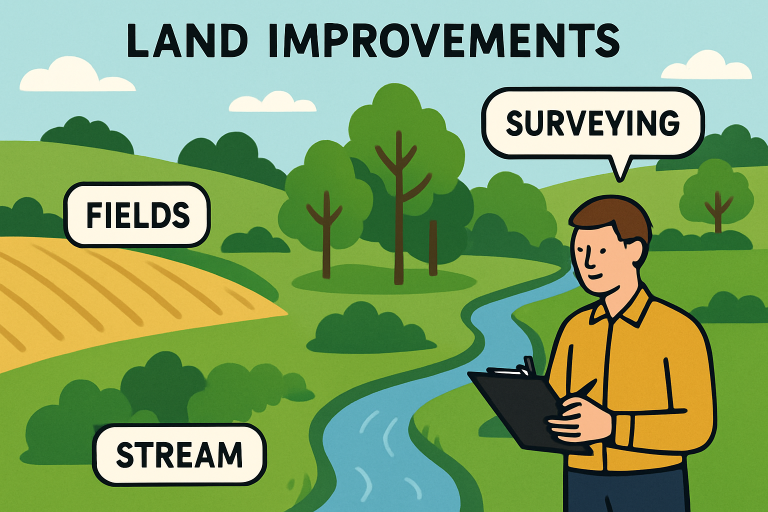
Land management services offer comprehensive solutions for property owners seeking to optimize the value, usability, and sustainability of their land. These services include soil and water conservation, biodiversity preservation, and infrastructure improvement. By adopting effective management practices, landowners maintain the resilience and productivity of their investments for generations to come. You can partner with experienced professionals like the Iowa Land Company to tailor solutions for different goals, whether your property is agricultural, recreational, or a future development prospect.
Utilizing such expertise helps ensure that parcels remain healthy, accessible, and positioned for value appreciation. Strategic planning includes everything from the clear demarcation of property lines to the design of sustainable land-use plans. This approach adds value and assures responsible stewardship of the land, aligning owner interests with environmental considerations.
Improving the accessibility and visual appeal of land is one of the most straightforward methods to increase its value. For example, installing well-maintained access roads or creating new, graded entrances creates a positive first impression for potential buyers. Additionally, maintaining or repairing fences and clearing established trails improves the practical use of the property and makes routine land management less burdensome.
Utilizing Government Assistance Programs
Federal, state, and local agencies offer a variety of programs to help landowners maximize the conservation and productive use of their property. By participating in initiatives such as the Environmental Quality Incentives Program (EQIP) or financial aid for sustainable forestry, landowners can access technical expertise, implementation guidance, and sometimes direct grant funding. These resources enable more ambitious or costly conservation projects without significant out-of-pocket expenses.
Active engagement with government programs also opens the door to networking opportunities with other land managers, expert consultants, and conservation professionals. Leveraging these connections can lead to new ideas, revenue streams from eco-friendly land uses, and increased eligibility for future funding rounds.
Implementing Green Infrastructure
Integrating green infrastructure solutions, such as wetland restoration or the establishment of riparian tree buffers along streams, protects land from environmental degradation and enriches the ecosystem. These improvements help filter pollutants, retain stormwater, and safeguard the community from flooding. Green infrastructure investments can also reduce landowners’ operating costs over the long term by reducing the need for artificial water management and enabling natural resilience against severe weather events.
Ecological improvements can also enhance a parcel’s tax advantages and resale value, especially in markets increasingly prioritizing sustainability and environmental responsibility. Projects oriented toward conservation have proven attractive to recreation-based buyers and communities seeking to support long-term ecological health, as reported by National Geographic.
Preventing Erosion and Land Degradation
Erosion undermines land stability, reducing fertility and decreasing the usable area over time. Best practices for erosion control include the use of silt fences, vegetative buffers, and engineered ground stabilization on slopes and wetlands. These preventative measures preserve the landscape’s integrity and support continued agricultural or recreational uses. Proactive management limits risk and liability, ensuring the property’s value remains strong regardless of regional weather events or land use trends.
Enhancing Biodiversity and Ecosystem Health
Promoting wild species diversity through native plantings, habitat restoration, and wildlife corridors fortifies the long-term stability of an ecosystem. Biodiverse land requires fewer chemical inputs (like pesticides or fertilizers), is more resilient to climate fluctuations, and offers a broader suite of land use possibilities ranging from timber management to eco-tourism. Integrating patches of natural habitat into working lands can also enhance pollination, pest control, and soil health, amplifying the overall return on investment.
Final Thoughts
Pursuing professional land management services serves multiple purposes: it safeguards your land’s immediate beauty and productivity, positions your asset for premium resale value, and fulfills a vital role in ecological preservation. Combining customized strategic planning, conservation, and green infrastructure with access to government programs can solidify the long-term sustainability and profitability of your investment. Choosing to work with dedicated experts ensures that each action you take on your property contributes positively to its future and to the environment as a whole.

