
Home Improvment
Lawn Care Tips for Every Season

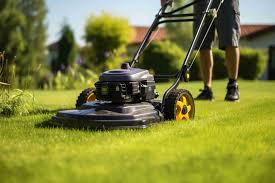
Maintaining a healthy, beautiful lawn is a year-round project. Whether you’re a homeowner looking to enhance curb appeal or simply wanting greener surroundings, understanding the right care for each part of the year is the foundation for strong, thriving grass. Tailoring your maintenance routine not only addresses the challenges of each season but also gives your yard the best chance to remain lush and vibrant. If you’re unsure about getting started, reaching out to professionals familiar with front yard landscaping McLean, VA can provide the guidance and results you need.
Seasonal updates to your lawn care strategy keep grass healthy, resist pest issues, and promote long-term resilience. From spring’s revival to winter’s preparation, each phase brings unique action steps to keep your yard in top shape. Thoughtful, proactive methods prevent common issues and set your lawn up for year-round success. It’s all about supporting your grass as it transitions through warmth, cold, and everything in between.
Spring: Awakening Your Lawn
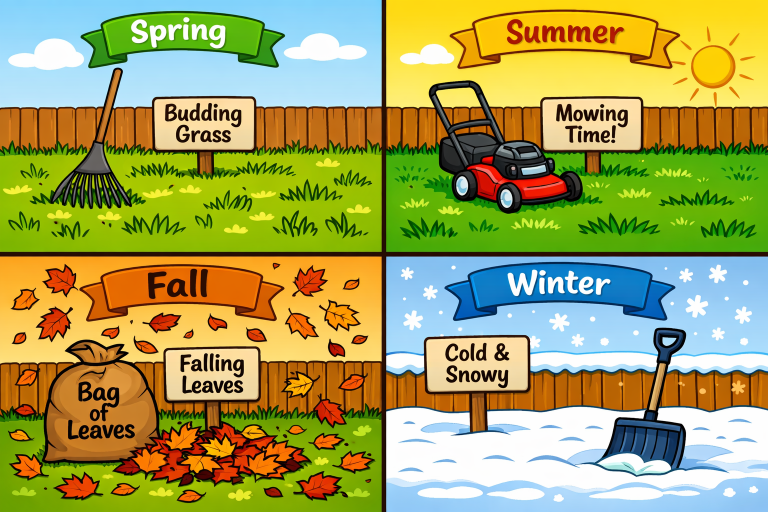
As winter ends and temperatures gradually rise, your lawn emerges from dormancy. Early spring is ideal for setting the stage for lush growth throughout the year. Begin by clearing away sticks, leaves, and other winter debris. This allows much-needed sunlight and air to reach the soil surface, encouraging new grass shoots to emerge.
Testing your soil’s pH and nutrient content will tell you which amendments are needed and whether your soil is especially acidic or alkaline. Apply a balanced, slow-release fertilizer to help your lawn recover from winter stress and prepare for vigorous spring growth. For cool-season grasses, a light feeding at this time encourages quick greening and density. Early weed control, using pre-emergent herbicides, helps prevent troublesome weeds from establishing before your grass can take off. According to HGTV, a thoughtful start in the spring reduces weed and disease issues later in the year.
Summer: Sustaining Growth
Summer heat can take a toll on even the healthiest lawns. At this stage, your primary focus should be on maintaining moisture, cutting grass at the optimal height, and minimizing stress to keep roots strong and grass thick and green. Set your mower higher (three to four inches) to shield roots from excessive sun and help soil retain more moisture. Deep, infrequent watering is key, most lawns need about 1 to 1.5 inches of water each week. Early morning is the best time to irrigate, as it limits evaporation and reduces the likelihood of fungal disease.
Monitor your lawn for signs of pests such as grubs. These pests feed on roots and can cause noticeable brown patches. Only treat if damage is evident, as unnecessary chemical applications can harm beneficial organisms. It’s also wise to avoid fertilizing during the hottest periods. Too much fertilizer when temperatures soar can burn grass blades and increase stress.
Fall: Preparing for Dormancy
Autumn sets the foundation for how your grass will emerge next spring. Aerating your lawn relieves soil compaction from summer activity and allows air, water, and nutrients to penetrate deeper into the root system. Overseeding thin or bare areas helps fill in your turf and ensures a dense, uniform appearance when growth resumes.
Fall is the time for a final fertilization. Using a slow-release product now fosters robust root growth, helping your lawn withstand winter’s cold. Additionally, stay on top of leaf removal, leaves left on the grass can trap moisture and block sunlight, often resulting in disease or dead spots.
Winter: Protecting Your Lawn
Although growth slows dramatically or stops in winter, proper preparation keeps your lawn in good condition. Avoid walking on frozen or snow-covered grass, as the brittle blades are easily damaged and may take longer to recover in spring. Distribute snow piles as evenly as possible to prevent areas of excessive moisture in late winter, which can lead to snow mold and other diseases.
Now is also a great time to maintain your lawn equipment. Sharpen mower blades, check spark plugs, and ensure all tools are clean and ready for spring. Preventing rust or mechanical failure extends the life of your equipment and ensures a quick start to lawn care when the weather warms.
Common Lawn Issues and Solutions
Plenty of problems can interrupt your lawn’s progress. Weed invasion is best controlled by identifying and removing growth early before it spreads. For sparse or bare spots, reseeding in the appropriate season ensures even, thick coverage. If you notice discoloration—such as yellow or brown patches, investigate for overwatering, lack of water, or nutrient deficiencies. Soil testing can reveal the underlying cause, guiding the right solution.
Eco-Friendly Lawn Care Practices
Sustainable lawn care yields both environmental and personal benefits. Electric lawn equipment, such as battery-powered mowers and trimmers, significantly reduces emissions and noise. Battery options now match the performance of gasoline engines for most residential needs. Axios discusses the advantages of electric alternatives and how they are transforming suburban landscapes.
Choosing natural, organic fertilizers helps reduce chemical runoff and fosters long-term soil health. Additionally, planting native grasses and ground covers requires less water and fewer inputs. Native species are more resistant to local pests and diseases, requiring less intervention and support.
Conclusion
Year-round lawn care attention positions your grass for reliable growth and ongoing health. By understanding the unique needs of each season and practicing responsible, sustainable maintenance, you can enjoy a dense, green yard that enhances your property and supports the environment for years to come.