
Health
Signals from the Sole: Recognizing Early Warning Signs of Foot Issues

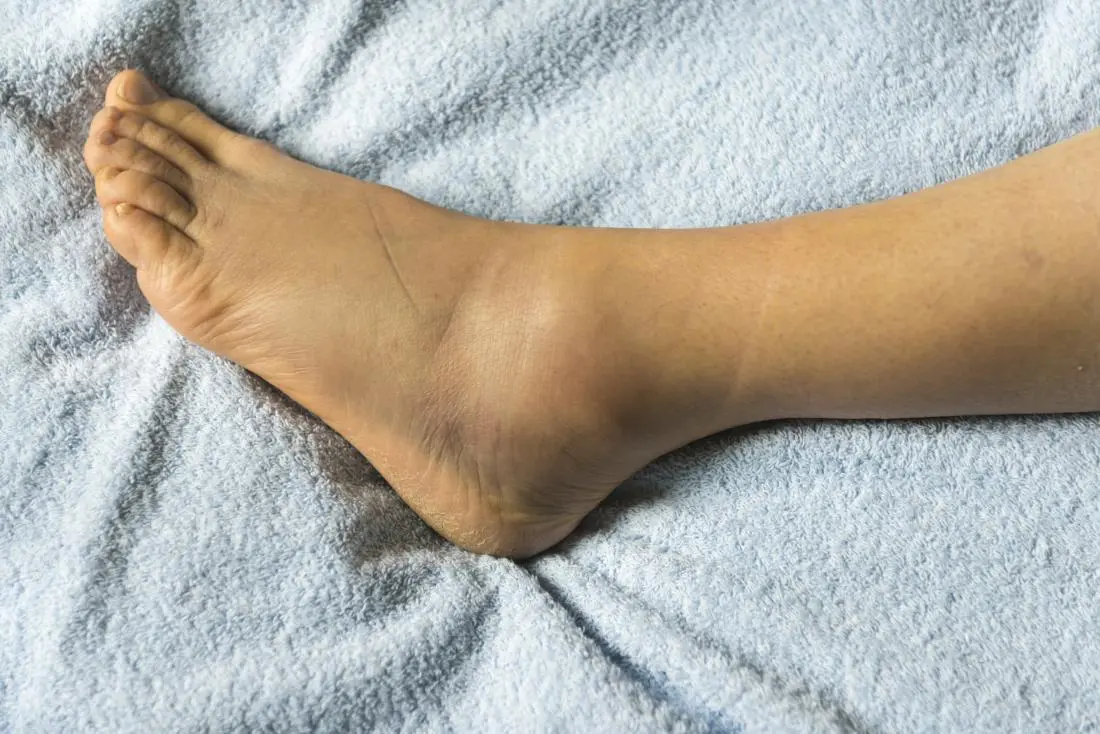
Our feet are the foundation of our daily lives, absorbing impact and supporting us through every step. Unfortunately, this means they’re vulnerable to a range of conditions that, if left unaddressed, can significantly affect our quality of life. Proactive care from a healthcare professional, or a dedicated foot clinic, can provide personalized strategies to address foot pain and prevent future problems.
Neglecting foot health often leads to discomfort, mobility issues, or even chronic pain. By understanding common foot conditions and learning about the latest modern treatments, you can make informed choices for your ongoing well-being and daily comfort. Far too often, individuals wait until pain becomes unbearable before seeking help, yet early intervention is essential. Adopting preventive strategies and taking advantage of current treatment options ensures your feet remain strong and resilient for years to come. Staying up-to-date with advances in the field also means knowing when and where to seek expert help for any persistent or serious concerns. If you’re struggling with chronic symptoms or unsure about your foot health, consulting a foot specialist can provide peace of mind and advanced treatment options tailored to your needs.
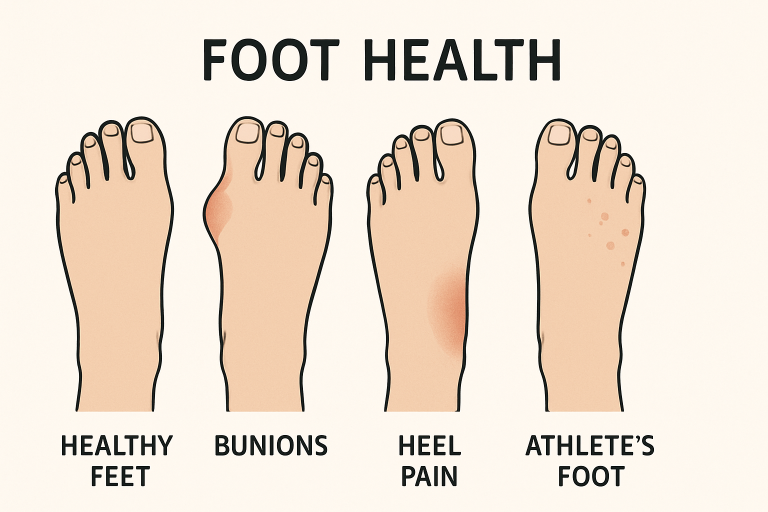
Plantar Fasciitis
One of the most common causes of heel pain, plantar fasciitis develops when the thick band of tissue running along the sole becomes inflamed. Typical symptoms include sharp pain with your first steps in the morning or after prolonged periods off your feet. Factors such as overuse, poor footwear, obesity, and tight calf muscles can contribute to this condition. Treatment for plantar fasciitis starts with rest, gentle stretching exercises, and supportive footwear. Nonsteroidal anti-inflammatory drugs may help manage pain. For moderate to severe cases, physical therapy or orthotics may be recommended. According to the JAMA Network, early intervention often means quicker, longer-lasting relief.
Bunions
Bunions manifest as bony protrusions at the base of the big toe, often resulting in pain, swelling, and difficulty finding shoes that fit comfortably. Genetics, arthritis, and ill-fitting footwear are all common culprits. Aside from the visible bump, bunions may cause stiffness or even overlapping toes if not addressed.
Early-stage bunions respond well to simple modifications such as shoes with a wide toe box, gel padding, ice, and anti-inflammatories. Advanced cases that cause persistent discomfort or impede normal walking might require corrective surgery. It’s best to address bunions as soon as you spot them, as the condition can worsen over time if left untreated.
Athlete’s Foot
A common fungal infection, athlete’s foot, thrives in warm, damp environments. Symptoms include itching, stinging, burning, and cracked skin between the toes. The disease is often contracted in communal showers, pools, or gyms. To minimize risk, keep your feet dry, change socks regularly, and opt for breathable shoes. Early treatment with over-the-counter antifungals often clears up the infection, but more severe or persistent cases may require prescription medication.
If left untreated, athlete’s foot can lead to complications such as secondary bacterial infections or spread to other parts of the body.
Diabetic Foot Ulcers
For individuals living with diabetes, foot health is especially important. Diabetic foot ulcers develop due to reduced circulation and sensation, making wounds slow to heal and prone to serious infections. These ulcers are a leading cause of hospitalization and lower limb amputation in those with diabetes—management centers on regular foot checks, blood sugar control, and the use of appropriate protective footwear. At the first sign of changes, such as redness, blisters, or drainage, prompt medical assessment is vital. Prevention is always preferable, as proper diabetic foot care can significantly lower the risk of complications.
Ingrown Toenails
Ingrown toenails develop when the corners or sides of a nail begin to grow into the neighboring skin, resulting in tenderness, swelling, and sometimes infection. Improper nail trimming and tight footwear are among the most common causes. Soaking the affected foot, lifting the nail edge, and keeping the area clean can help with mild cases. Recurrent or infected ingrown toenails should be treated by a medical professional, who may recommend a minor procedure to remove part of the nail.
Heel Spurs
Heel spurs are bony growths that develop on the underside of the heel bone, often as a result of ongoing strain to foot ligaments and muscles. Symptoms can mimic those of plantar fasciitis, causing localized heel pain that worsens with activity. Treatment includes rest, stretching, anti-inflammatory medications, and custom orthotics. In rare cases, surgical removal may be necessary if conservative therapies fail.
Modern Treatments and Innovations
Recent advancements in foot care have led to safer, more effective options for managing and preventing pain. Regenerative laser therapy is gaining traction as a noninvasive way to reduce inflammation, stimulate blood flow, and promote tissue healing. Platelet-rich plasma (PRP) injections use the body’s own growth factors to accelerate recovery, particularly for chronic plantar fasciitis and other soft tissue injuries. Shockwave therapy offers a similar approach, using targeted sound waves to trigger healing. These modern solutions are tailored to individual needs, delivering quicker recovery times and less downtime.
Preventive Measures
Vigilant foot care reduces the likelihood of developing painful foot conditions or of minor issues becoming more serious. Key strategies include:
- Choosing shoes that fit well and offer proper arch support.
- Maintaining good foot hygiene, keeping feet clean and thoroughly dry.
- Performing simple foot exercises like toe stretches and ankle rotations to preserve flexibility and strength.
- Conducting regular self-exams for early signs of trouble, especially for those with diabetes or previous foot issues.
By investing a little time each day into your foot health, you can prevent many of the most common complaints and maintain a high quality of life. Your feet deserve just as much attention as any other part of your body; don’t let minor aches and pains go unchecked.
Conclusion
The health of our feet is inextricably linked to our overall mobility and quality of life. As we have explored, common conditions such as plantar fasciitis, bunions, and diabetic ulcers are more than mere inconveniences; they are signals that our biological foundation needs attention. By moving beyond temporary fixes and embracing modern diagnostic tools and regenerative treatments, such as shockwave therapy and custom-engineered orthotics, homeowners and active individuals can resolve chronic pain at its source rather than simply managing the symptoms. Ultimately, the transition from discomfort to lasting relief depends on early intervention and consistent prevention. Simple habits, such as selecting structurally sound footwear and performing daily foot inspections, act as a primary defense against infection and mechanical strain. However, when persistent issues arise, leveraging the expertise of a specialist ensures you use the most advanced, noninvasive innovations available today. By prioritizing your foot health now, you are investing in a future of limitless movement and long-term physical wellness.