
Lifestyle
Creative Approaches to Low-Maintenance Landscaping

Published
8 months agoon
By
Realty Fact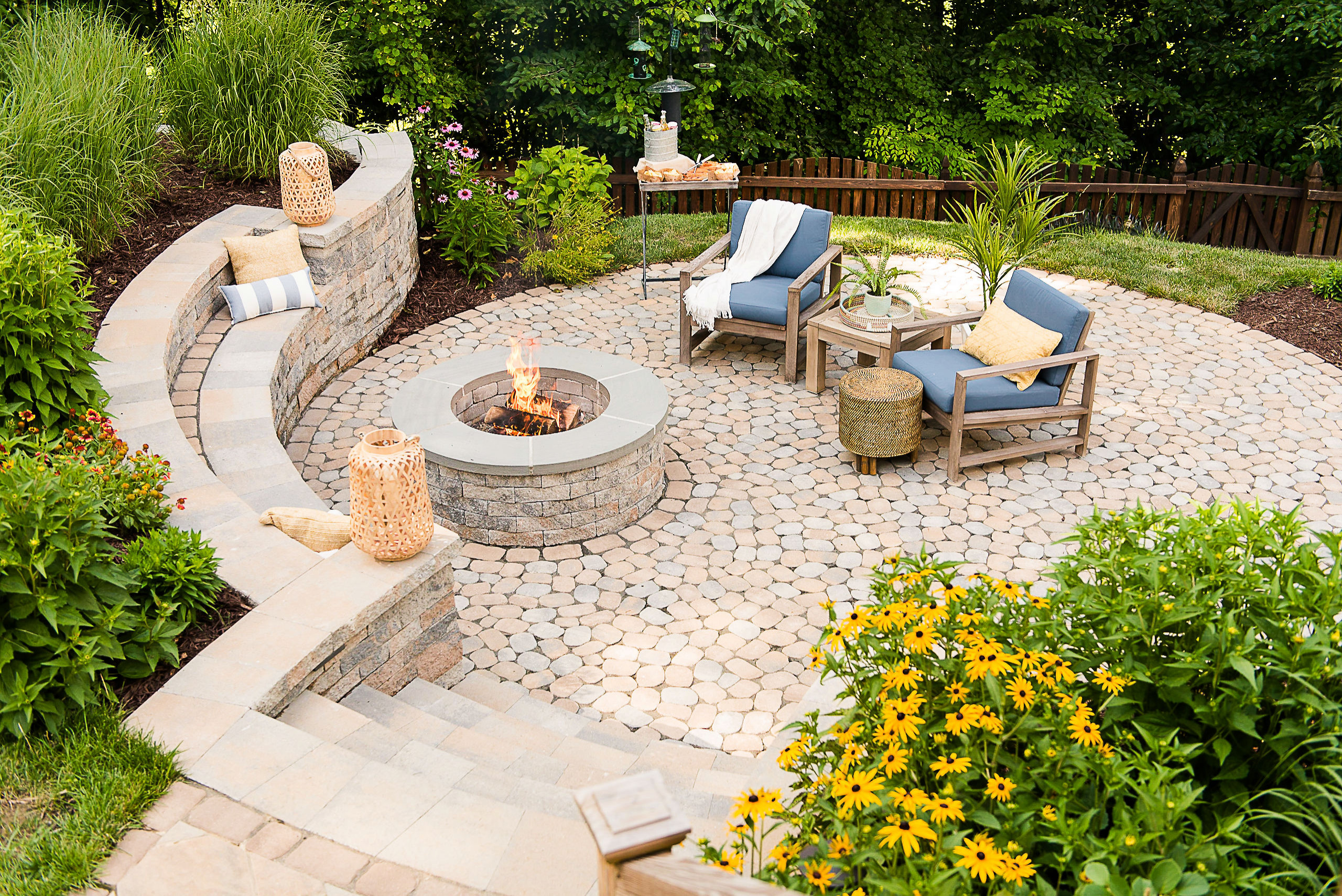
Table of Contents
ToggleKey Takeaways
- Choosing native and drought-tolerant plants lowers water needs and maintenance.
- Hardscaping, such as stone patios and walkways, can significantly reduce lawn care.
- Mulches and ground covers are effective for weed suppression and moisture retention.
- Intelligent irrigation systems deliver efficient and automated watering.
- Alternative lawns, such as clover or ornamental grasses, offer attractive, low-care options.
Transforming your outdoor area into a visually appealing, low-maintenance oasis is achievable with thoughtful planning and innovative strategies. The process involves making wise choices in plant selection, integrating hardscape features, and using technology to make upkeep easier. If you are seeking expert assistance with your project, professional garden services in Virginia can help you turn ideas into a reality with less effort on your part.
By focusing on elements that reduce routine maintenance, homeowners can enjoy their yards more and spend less time working in them. From planting choices and ground covers to smart irrigation, there are many tactics to create beautiful landscapes that require minimal attention. These creative approaches ensure your outdoor space thrives year-round while allowing you more free time to enjoy the view. Simply put, conserving resources does not mean sacrificing aesthetics. Well-designed low-maintenance landscapes can deliver four-season color, texture, and habitat value while reducing the need for frequent trimming, mowing, or replanting. In fact, incorporating many of these creative techniques may qualify a homeowner for water-saving landscaping rebates or native plant incentives in their community, providing additional motivation to embrace these methods.
Explore the latest trends and the science behind sustainable landscaping in this resource from Better Homes & Gardens.
Embrace Native and Drought-Tolerant Plants
Focusing on native plants not only benefits the environment but also saves time and money on routine care. These species inherently thrive in local soil and climate conditions, thereby needing less watering, fertilizing, and pest control. Drought-tolerant varieties such as lavender, sedum, and certain ornamental grasses are ideal if you want a vibrant garden without constant watering. Native plant landscapes also offer habitat for pollinators and birds, enriching local biodiversity and protecting regional ecology.
Incorporate Hardscaping Elements
Additions like patios, paths, decks, and retaining walls introduce structure and style to your yard while reducing the need for weekly maintenance of green space. For example, a beautiful flagstone walkway or a gravel seating area can reduce mowing and weeding in large lawn sections. Hardscape supports outdoor living by creating zones for relaxation and entertaining, and generally requires a simple annual cleaning and periodic inspection for repairs.
Utilize Mulch and Ground Covers
Organic mulches, such as shredded bark, keep the soil cool, suppress weeds, and enrich the soil as they decompose. Around shrubs and perennial beds, a few inches of mulch can significantly decrease the need for weeding and watering. Ground covers such as creeping thyme, pachysandra, or sedum, meanwhile, provide enduring greenery without mowing. These alternatives can seamlessly blend into garden beds and replace turf in tricky areas, like slopes or under trees, where grass struggles to grow.
Implement Smart Irrigation Systems
Automated watering saves time and limits water waste. Drip irrigation systems deliver moisture directly to plant roots, ensuring efficient use and reducing evaporation. Pair with smart timers or controllers that adjust schedules based on real-time weather to further conserve water and prevent overwatering. These innovative solutions result in healthier landscapes and significant savings on utility bills.
Explore Alternative Lawn Options
Traditional turfgrass lawns demand frequent mowing, watering, and fertilizing. For a modern, lower-maintenance solution, consider ground covers or alternative lawns such as clover or ornamental grasses. Clover lawns require minimal mowing, tolerate drought, and attract pollinators, making them a popular eco-friendly option. Ornamental grasses add beauty and texture without the high-maintenance needs of standard turf, thriving with only an annual trim.
Design with Perennials
Choosing perennials is one of the easiest ways to establish an enduring, low-effort landscape. Once established, perennials like daylilies, hostas, and coneflowers return each year with little care, providing lasting color and foliage. By designing your beds around these hardy plants, you reduce the need for annual planting and benefit from their adaptability and resilience across the seasons.
Consider Meadowscaping
Meadowscaping mimics the look and ecological benefits of natural wildflower meadows by blending native grasses and flowers in a low-mow area. This habitat not only supports pollinators and birds but also requires less maintenance than a formal lawn. Once established, meadowscapes rely on natural rainfall and periodic mowing or cutting, making them a sustainable and visually striking choice.
Leverage Technology for Maintenance
Technologies such as robotic lawn mowers and app-enabled irrigation controllers automate time-consuming yard tasks. Robotic mowers can be scheduled to cut at optimal intervals, even mapping your landscape to avoid obstacles or sensitive plantings. Such innovations not only reduce the physical work required but also help maintain your landscape in an eco-friendly way. Learn more about the latest in-home garden technology from this informative House Beautiful guide.
By adopting these practical yet creative strategies, you can transform your yard into a beautiful, low-maintenance landscape. The benefits are clear: more enjoyment, year-round visual interest, and a reduced environmental footprint. So go ahead and reimagine your outdoor space to suit both your lifestyle and the planet.