
Health
The Role of Trace Minerals in the Body: Beyond Vitamins

Key Takeaways
- Trace minerals are essential micronutrients required in small amounts but play critical roles in immunity, metabolism, and tissue repair.
- Common trace minerals include iron, zinc, copper, selenium, iodine, manganese, fluoride, and chromium, each supporting specific body functions.
- Deficiencies can cause fatigue, weakened immunity, hormonal issues, and developmental concerns, often with subtle early symptoms.
- Whole, minimally processed foods are the safest and most effective sources of trace minerals.
- Both deficiency and excess can be harmful, so supplementation should be approached carefully and ideally with professional guidance.
- A varied, balanced diet remains the best strategy for maintaining healthy trace mineral levels and overall well-being.
Introduction to Trace Minerals
While vitamins often take center stage in conversations about nutrition, a crucial category of micronutrients works just as hard behind the scenes: trace minerals. These nutrients are needed in extremely small amounts, yet their significance in maintaining overall health cannot be overstated. Trace minerals are involved in everything from enzyme activity and hormone production to immune system maintenance. For those interested in holistic wellness, learning about these foundational elements and how to include them in a daily routine is key. To better understand how trace minerals might influence well-being, resources like MitoSynergy offer additional insights into their potential benefits.
Micronutrient deficiencies can sneak up quietly, especially since symptoms often overlap with everyday issues such as fatigue or difficulty concentrating. Ensuring adequate intake of trace minerals by eating a variety of whole foods is fundamental to both prevention and optimal performance. Within the human body, trace minerals help to build tissues, support immunity, and regulate metabolic processes, setting the foundation for a vibrant, healthy life.
Many individuals are aware of the major minerals, such as calcium and potassium, but are less familiar with the group of minerals required in much smaller amounts. Trace minerals, which include iron, zinc, copper, manganese, selenium, iodine, fluoride, and chromium, play irreplaceable roles. Even though these elements are present in the body in minuscule concentrations, deficiencies can have a profound impact on health.
Essential Trace Minerals and Their Functions
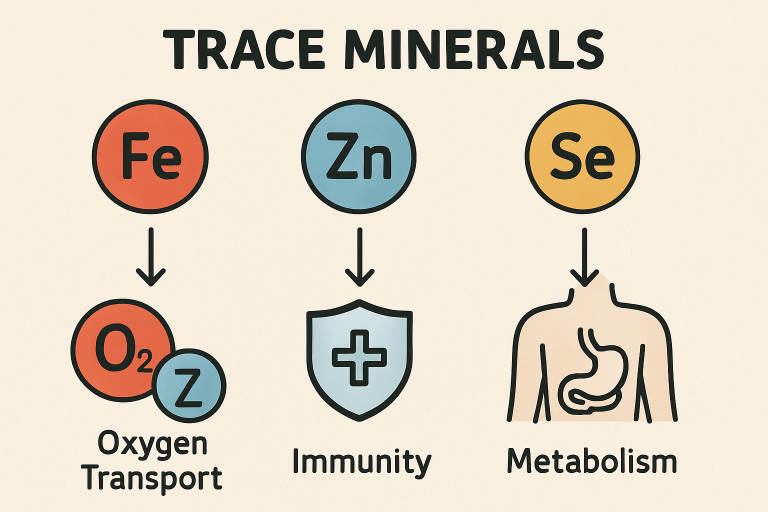
- Iron: Responsible for oxygen transport in the bloodstream and critical for energy production. Without enough iron, the body’s cells receive less oxygen, leading to weakness and fatigue.
- Zinc: Facilitates immune response, accelerates wound healing, and is vital for DNA synthesis. Zinc’s role in enzyme function impacts nearly every body system.
- Copper: Key for the formation of red blood cells and maintenance of healthy connective tissue. It also partners with iron to help the body form hemoglobin.
- Selenium: Acts as a potent antioxidant, defending cells from oxidative stress. It is also important for reproductive health and thyroid gland function.
- Iodine: Essential for the production of thyroid hormones, which regulate metabolism, energy use, and even brain development.
- Manganese: Necessary for bone development, wound healing, and the metabolism of proteins, fats, and carbohydrates.
- Fluoride: Best known for strengthening teeth and bones, as well as preventing dental cavities when consumed in appropriate amounts.
- Chromium: Involved in regulating blood sugar by enhancing the action of insulin, making it valuable for metabolic health.
Sources of Trace Minerals
The richest sources of trace minerals are whole, minimally processed foods. By adopting a balanced diet, you can tap into the power of these essential nutrients. For example, iron is commonly found in red meat, fish, and legumes, while zinc abounds in shellfish, dairy, and whole grains. Copper-rich foods include nuts and leafy green vegetables, while selenium is notably concentrated in Brazil nuts and seafood.
- Iron: Red meat, fish, poultry, legumes, and fortified cereals.
- Zinc: Shellfish, dairy, meat, and whole grains.
- Copper: Nuts, seeds, leafy greens, and grains.
- Selenium: Brazil nuts, seafood, eggs.
- Iodine: Iodized salt, seaweed, dairy.
- Manganese: Whole grains, nuts, legumes, leafy vegetables.
- Fluoride: Fluoridated water, seafood, and tea.
- Chromium: Broccoli, whole grains, lean meats.
For those seeking a more comprehensive review of sources and daily value recommendations, Harvard Health Publishing provides dependable dietary guidelines and detailed food lists.
Consequences of Trace Mineral Deficiencies
Deficiency in any trace mineral can set off a cascade of health concerns. For instance, a shortage of iron most often results in anemia, characterized by chronic tiredness, weakness, and in some cases, impaired cognitive function. Zinc deficiency suppresses the immune system, leading to slower wound healing and a higher susceptibility to infections. Inadequate iodine can result in goiter or, more profoundly, developmental delays in children. Because the symptoms of trace mineral deficiency are often non-specific, a deficiency is frequently overlooked until more serious problems develop.
Balancing Trace Mineral Intake
Maintaining the right intake of trace minerals is a balancing act. While not getting enough can harm health, overconsumption is problematic as well. High levels of iron, for example, can be toxic and may damage vital organs such as the liver and heart. Excess selenium intake may trigger gastrointestinal distress or even hair loss. It is prudent to approach supplementation with caution and only under the direction of a healthcare professional, as more is not always better. Dietary sources are safest and most reliable for the majority of people.
Trace Minerals vs. Vitamins: Understanding the Difference
Though vitamins and trace minerals frequently work together in the body, they are fundamentally different. Vitamins are organic compounds that typically facilitate critical chemical reactions. Trace minerals, by contrast, are inorganic elements that support crucial enzymatic reactions and serve as integral structural components of tissues and organs. Both are essential, but they complement each other’s activities rather than duplicate them. Consuming a variety of whole foods is the most effective way to meet your body’s needs for both groups of nutrients.
Final Thoughts
The contribution of trace minerals to optimal health extends far beyond their small required quantities. They enable oxygen transport, immune function, tissue repair, and metabolic regulation, underscoring their extraordinary value. Ensuring nutritional sufficiency is best achieved through a diverse, balanced diet. As research evolves, it becomes increasingly clear that addressing micronutrient intake should be a priority for anyone seeking well-being.