
Lifestyle
How to Extend the Life of Your Blades with Proper Care

Key Takeaways
- Clean blades after every use to prevent buildup and corrosion.
- Store blades properly using blocks, magnetic strips, or sheaths.
- Use wood or plastic cutting surfaces to protect blade edges.
- Hone and sharpen blades regularly to maintain performance.
- Lubricate moving parts, such as blades on clippers and folding knives.
- Use blades only for their intended purpose.
- Keep blades dry to prevent rust and corrosion.
- Inspect blades regularly for wear or damage.
Blades are essential tools in daily life, whether for cooking, grooming, or outdoor adventures. The right maintenance routine can dramatically increase their lifespan and ensure safety and efficiency in all cutting tasks. Consistently following a proper care regimen not only saves you money but also enhances your experience with every use. If you are an enthusiast or professional in outdoor activities, focusing on proper care routines also enhances the performance of specialized tools, such as bushcraft and survival knives.
Caring for blades goes beyond simply cleaning them. It requires a thoughtful approach to storage, sharpening, lubrication, and even understanding how to use them appropriately. Whether you’re handling your favorite chef’s knife or maintaining utility blades, the principles below will help you maximize their utility and keep them functioning at their best.
Clean Blades After Each Use
The first step in blade care is washing them thoroughly after every use. Food residues and debris can easily cling to the edges and surfaces, dulling and corroding the blades over time. Clean blades using warm water with mild soap, avoiding abrasive sponges that could scratch the metal. Always dry your blades immediately with a soft cloth to prevent spots and rust formation. Dishwashers, though convenient, exert heat and moisture that can eventually warp handles or create minute fractures in your blade’s structure.
Store Blades Properly
Proper storage plays a critical role in avoiding dulling and accidental damage. Placing blades loosely in drawers creates unnecessary friction and knocks that can cause nicks and chips along the edges. Consider using knife blocks, magnetic strips, or blade sheaths that safely separate each tool. Specialized storage, such as magnetic strips, not only showcases your collection but also allows each blade to air-dry completely, helping further resist corrosion.
Use Appropriate Cutting Surfaces
The surface on which you use your blade can be the difference between long-lasting sharpness and frequent sharpening. Hard surfaces such as glass, marble, or ceramic instantly degrade the sharpness of your edge. Wood and high-density plastic provide the cushioning and protection your knives and blades need, ensuring regular use does not affect performance. End-grain wooden cutting boards remain a favorite among chefs for their durability and knife-friendly texture.
Regularly Sharpen and Hone Blades
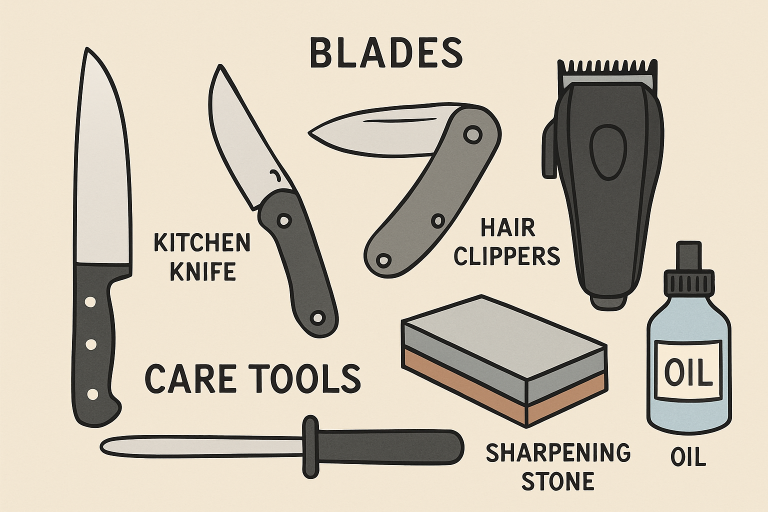
Keeping a sharp blade is essential for both performance and safety. Honing realigns a blade’s edge after regular use, while sharpening removes material to restore flatness and sharpness. Hone your knives before or after heavy use and plan to sharpen them every few months, depending on frequency. For delicate instruments like hair clippers or outdoor knives, ensure you use the correct sharpening tools and oils. Regular maintenance preserves the factory edge and alleviates excess pressure that can lead to chips or cracks in the blade.
Lubricate Moving Blades
Any tool with moving parts, such as hair clippers or folding knives, requires periodic lubrication. This step minimizes friction and reduces wear on metal components. Always use high-quality, manufacturer-approved oils and apply a few drops after every cleaning session. Spread the oil evenly, focusing on hinges and pivot points, and remove any excess before storing to prevent dust accumulation. These actions can dramatically extend the lifespan of complex tools.
Avoid Using Blades for Unintended Purposes
Every blade is engineered for a specific purpose. Using a chef’s knife to pry open cans or cut wire can damage its blade and compromise safety. Similarly, applying a utility knife for woodworking instead of a proper carpenter’s blade can ruin both the knife and the workpiece. Adhering strictly to intended use preserves the blade’s edge, reduces replacement costs, and minimizes risk of injury.
Keep Blades Dry and Free from Moisture
Water and prolonged moisture exposure are major causes of rust, pitting, and corrosion on all types of blades. After washing, ensure your blade is fully dry before returning it to its storage, especially if you live in a humid climate. To further protect your tools, store silica gel packets alongside them. These packets absorb excess moisture, minimizing the risk of corrosion and rust. Simple habits like these help keep your blades in peak condition.
Regular Maintenance Checks
Regularly inspect your blades for early signs of wear and tear. Look for chips, dullness, or discoloration. Early intervention with sharpening, thorough cleaning, or even professional servicing can prolong the usefulness of your favorite tools. Safety during use is also improved, as a damaged blade is more likely to slip or cause injury.
Incorporating these straightforward yet effective practices into your routine will ensure your blades stay sharp, efficient, and safe to use for years. This careful attention to blade maintenance supports not only their longevity but also your overall productivity and safety in the kitchen, outdoors, or shop.