
News
Nebula: Exploring the Cosmic Clouds of the Universe

Published
5 months agoon
By
Smith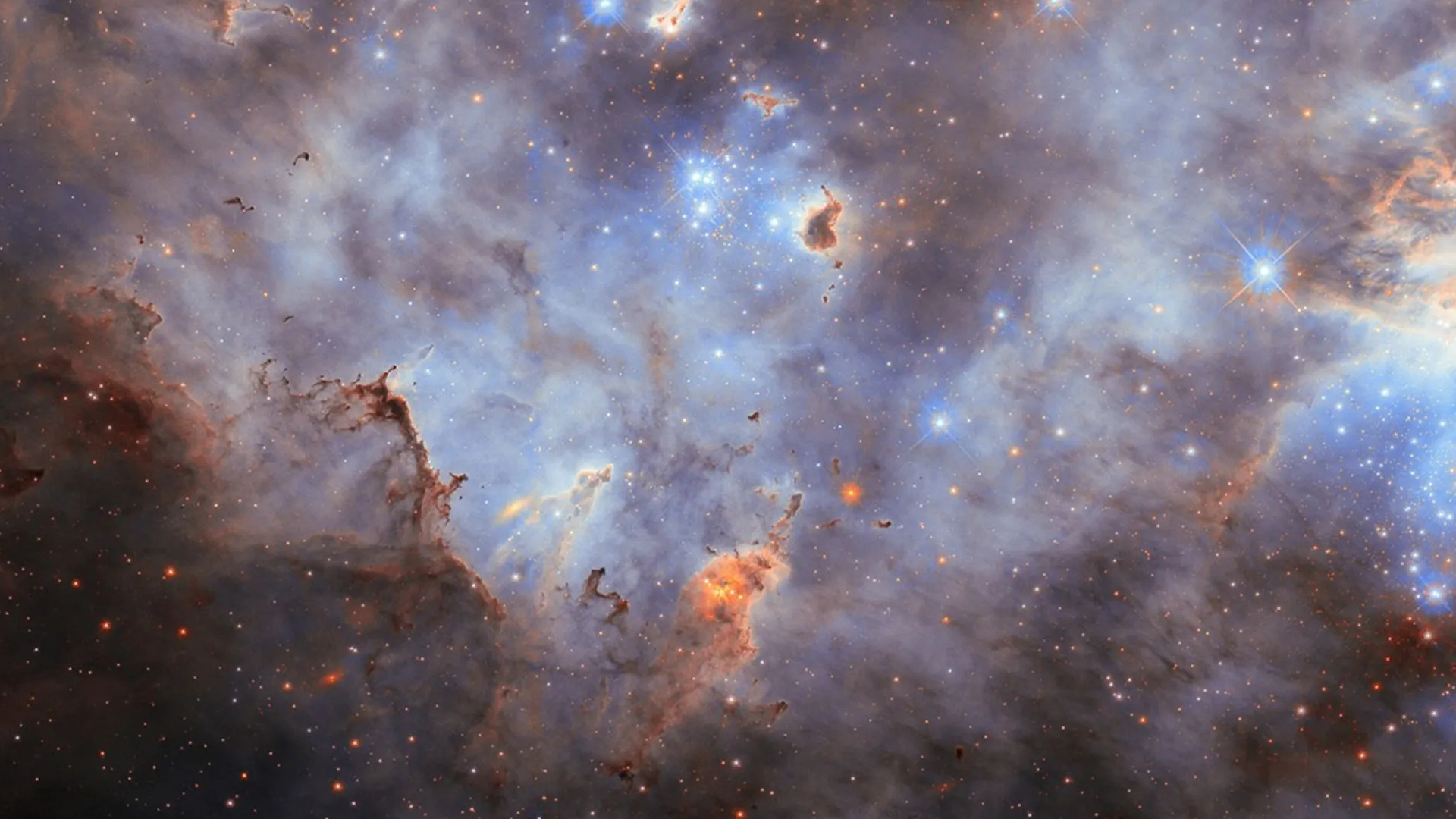
A nebula is one of the most fascinating and beautiful objects in the universe. These giant clouds of gas and dust are found throughout space and play a crucial role in the life cycle of stars. Some nebule are the birthplaces of new stars, while others are the remains of stars that have reached the end of their lives. Their stunning colors and unique shapes have captivated astronomers and space enthusiasts for centuries.
Table of Contents
ToggleWhat Is a Nebula?
The word “nebula” comes from the Latin word for “cloud.” In astronomy, a nebula is a vast cloud of gas, dust, and other materials found in space. Nebule can span hundreds of light-years and contain enough material to create thousands of stars.
Most nebulae are primarily composed of hydrogen and helium, the two most abundant elements in the universe. These clouds are often illuminated by nearby stars, making them visible through powerful telescopes.
How Nebule Form
Nebule can form in several ways. Some originate from the collapse of giant molecular clouds, while others are created when dying stars eject their outer layers into space. Over time, gravity can cause the gas and dust within a nebula to clump together, eventually forming new stars and planetary systems.
The process of star formation within a nebula can take millions of years. As regions of the cloud become denser, gravity pulls the material inward, creating a protostar that gradually grows hotter and brighter.
Types of Nebulae
There are several different types of nebule, each with unique characteristics.
Emission Nebule
Emission nebule glow because they are energized by nearby hot stars. Ultraviolet radiation from these stars excites the gas within the nebula, causing it to emit light. These nebule often appear red due to the presence of ionized hydrogen.
A famous example is the Orion Nebula, one of the brightest nebule visible from Earth.
Reflection Nebule
Reflection nebulae do not produce their own light. Instead, they reflect the light of nearby stars. They often appear blue because blue light scatters more efficiently than red light.
Dark Nebulae
Dark nebulae are dense clouds of dust that block the light from stars and other bright objects behind them. They appear as dark patches against a brighter background.
One well-known example is the Horsehead Nebula.
Planetary Nebule
Despite their name, planetary nebule have nothing to do with planets. They form when a medium-sized star sheds its outer layers near the end of its life. The exposed core illuminates the surrounding gas, creating beautiful and intricate patterns.
The Ring Nebula is a famous example.
Supernova Remnants
When massive stars explode in supernova events, they leave behind expanding clouds of gas and dust known as supernova remnants. These nebule contain heavy elements that contribute to the formation of future stars and planets.
The Crab Nebula is one of the most studied supernova remnants.
Importance of Nebule
Nebule are essential to the evolution of galaxies. They serve as stellar nurseries where new stars are born and as recycling centers where materials from dying stars are returned to space.
The elements found in planets, oceans, and even living organisms were once created inside stars and dispersed through nebule. In a sense, nebule help provide the building blocks for life itself.
Famous Nebulae in Astronomy
Some of the most famous nebule have become iconic images of modern astronomy.
Nebule and Modern Astronomy
Modern telescopes such as the James Webb Space Telescope and the Hubble Space Telescope have revolutionized our understanding of nebule. These instruments can observe nebule in multiple wavelengths, revealing details that are invisible to the human eye.
Scientists use these observations to study star formation, stellar evolution, and the composition of interstellar matter. The data collected from nebule helps answer fundamental questions about the origins of stars, planets, and galaxies.
Conclusion
Nebule are among the most awe-inspiring structures in the universe. These vast clouds of gas and dust serve as both the birthplace and final resting place of stars, making them essential components of the cosmic cycle. From glowing emission nebule to dramatic supernova remnants, nebule provide valuable insights into the workings of the universe and continue to inspire curiosity and exploration. As astronomical technology advances, our understanding of these magnificent celestial clouds will only continue to grow, revealing even more of the universe’s hidden wonders.