
Tech
Elevator And Escalator Maintenance: A Practical Reliability Checklist For Niles, Illinois

Published
22 seconds agoon
By
Realty Fact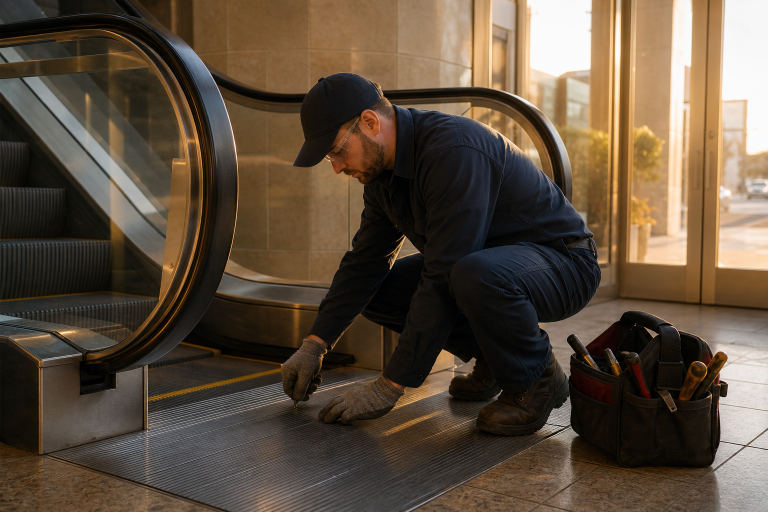
Table of Contents
ToggleKey Takeaways
- Reliable conveyance service depends on planned inspections, timely repairs, and complete records.
- Elevators and escalators require different inspection priorities because their operating systems and passenger-contact points differ.
- Safety-related defects should take precedence over convenience, appearance, or scheduling concerns.
- Remote monitoring and service data can help facility teams recognize repeat problems earlier.
- Parts planning can limit downtime when a critical component needs replacement.
- Licensed, qualified professionals should perform safety-critical testing, repairs, and maintenance.
Why Reliability Deserves More Attention In Niles
In Niles, Illinois, elevators and escalators support the daily movement of residents, employees, patients, shoppers, students, and visitors. A unit that stops working can affect accessibility, tenant operations, deliveries, and customer experience. Building owners who maintain elevators and escalators Niles IL, should treat reliability as an ongoing operating responsibility rather than a task reserved for emergencies.
Local conditions can make consistent care especially important. Wet shoes, winter grit, salt residue, changing temperatures, and heavy traffic near entrances can introduce debris and moisture into passenger areas. A practical maintenance program identifies small warning signs early, before a door problem, leveling issue, worn step component, or control fault becomes an extended outage.
What A Strong Maintenance Program Includes
A useful program combines scheduled preventive work with condition-based follow-up. Calendar visits remain important, but service frequency and inspection focus should also reflect each unit’s age, usage pattern, environment, and repair history. A busy medical office or retail property may need closer attention than a lightly used low-rise building.
- Scheduled cleaning, lubrication, adjustment, and inspection
- Review of recurring faults, callbacks, and passenger complaints
- Testing of applicable safety devices and communications equipment
- Clear procedures for outages, entrapments, and emergency response
- Planning for critical spare parts and supplier lead times
- Service records that identify work completed and follow-up needs
Elevator Inspection Points
Elevator maintenance should examine the full passenger journey, from the landing call button to the car door, controls, ride quality, and leveling at the destination. Technicians should follow the manufacturer’s procedures and applicable requirements for the specific equipment.
Doors, Controls, And Leveling
- Doors and operators: Check opening and closing movement, protective devices, noises, and signs of dragging or hesitation.
- Leveling: Confirm the car stops appropriately at landings and investigate recurring leveling complaints.
- Controls: Review buttons, position indicators, alarm functions, emergency communications, and recorded faults.
- Cab and landings: Inspect lighting, handrails, flooring, signage, sill areas, and accessibility-related features.
Mechanical And Safety Components
- Machine or drive equipment: Look for unusual heat, vibration, leaks, wear, or sounds.
- Suspension and traction components: Check visible condition, alignment concerns, and manufacturer-specified wear limits.
- Safety systems: Test applicable interlocks, emergency lighting, alarms, brakes, and backup functions in accordance with approved procedures.
Escalator Inspection Points
Escalator maintenance has a stronger focus on continuously moving parts and areas where debris can collect. Loose objects, grit, water, damaged footwear, and heavy pedestrian traffic can all create conditions that deserve prompt attention.
- Steps, rollers, chains, tracks, and sprockets
- Handrail condition, tracking, and coordinated movement
- Comb plates, step gaps, and skirt panels
- Balustrades, guards, lighting, signs, and warning indicators
- Emergency stop buttons and access areas
- Upper and lower landing sections, including pits where applicable
Jerky operation, unusual sounds, damaged steps, loose panels, uneven handrail movement, or repeated stops should be reported immediately. If a defect could affect passenger safety, the unit should be removed from service until qualified personnel evaluate and correct the condition.
Safety Must Come Before Maintenance Speed
Service work can expose technicians to electrical, mechanical, hydraulic, and stored-energy hazards. Before maintenance begins, the team should identify energy sources, shut down equipment using the approved process, isolate it, apply the required lockout/tagout controls, release or restrain stored energy, and verify isolation before work starts. OSHA explains that unexpected startup or stored-energy release can seriously injure workers during servicing and maintenance.
Interlocks, guards, and safety circuits should never be bypassed casually to save time. Work should also include a final area inspection, removal of tools and personnel from danger zones, and a controlled return to service after testing is complete.
How Predictive Maintenance Fits The Checklist
Predictive maintenance uses operating information to identify patterns that may require attention before a breakdown. Depending on the equipment, data may include fault codes, door cycles, motor activity, vibration, temperature, or repeated shutdown events.
- Establish a normal operating baseline for each unit.
- Focus on recurring alerts rather than reacting to every isolated signal.
- Rank issues by safety risk, passenger impact, and likelihood of downtime.
- Connect alerts to work orders and technician findings.
- Review false alarms and adjust monitoring practices when appropriate.
- Compare the outage history before and after changes to the maintenance plan.
Digital tools do not replace field inspections or qualified judgment. Their value comes from helping a maintenance team plan labor, order parts, and select a lower-traffic service window before a minor concern becomes urgent.
Repair, Modernization, Or Replacement?
A single repair may be the sensible choice when equipment has a clear, isolated issue and otherwise performs reliably. Modernization becomes worth evaluating when controls, door equipment, drives, communications, or other major components are increasingly difficult to support. Replacement may be necessary when structural conditions, chronic failures, parts availability, accessibility needs, and long-term costs indicate a broader solution is warranted.
- Review the unit’s age, repair history, and downtime record.
- Identify repeat failures and investigate the underlying cause.
- Confirm the availability of essential parts.
- Compare the expected service disruption for each option.
- Consider operating risk alongside the immediate repair cost.
- Request a qualified review of applicable site and code requirements.
Records, Parts, And Compliance Checks
Keep inspection reports, test results, service tickets, repair notes, details on replaced parts, permits, and open corrective actions for every unit. In Illinois, the state’s elevator safety program addresses registration, inspection, certification, maintenance, and licensing for covered conveyances, while local programs can affect procedures in particular municipalities. Building teams can use the Illinois Elevator Safety Division’s guidance to confirm the current state framework and then verify local requirements with the authority having jurisdiction.
Parts planning should also be documented. Maintain a list of critical components, compatible model information, approved suppliers, expected lead times, minimum stock levels, and storage requirements. A replacement part should never be chosen by appearance alone, because ratings, fit, compatibility, and manufacturer instructions all matter.
Useful Metrics And A 30-Day Action Plan
Track availability, mean time between failures, mean time to repair, repeat-call rate, preventive-maintenance completion, and unreported outage time. These measures help a Niles facility team see whether maintenance efforts are producing more reliable service.
- Days 1-5: List every elevator and escalator, including location, age, traffic level, and service status.
- Days 6-10: Gather inspection records, repair history, outage reports, and open work orders.
- Days 11-15: Identify repeat defects and safety-related concerns.
- Days 16-20: Review critical spare parts and supplier lead times.
- Days 21-25: Set priorities based on safety, usage, accessibility, and business impact.
- Days 26-30: Assign responsibilities and establish a recurring review schedule.
Conclusion
Reliable elevator and escalator service comes from disciplined inspections, safe work practices, useful records, and timely decisions. For Niles properties, a program that accounts for actual traffic, local conditions, repeat faults, and equipment age can reduce disruption while protecting passengers and maintenance personnel.