
News
A Practical Guide to Public Sector Consulting


Key Takeaways
- Understanding the unique dynamics of public sector consulting is crucial for delivering effective services.
- Building strong relationships and maintaining transparency are crucial for successful engagements.
- Staying informed about emerging trends and challenges helps consultants provide relevant and impactful solutions.
Navigating the world of public sector consulting requires a nuanced understanding of both government structures and the communities they serve. Whether facilitating digital transformation or advising on policy, consultants play a crucial role in shaping more effective and transparent public services. Professionals entering this arena must be able to adapt to unique administrative, financial, and political landscapes, making comprehensive knowledge of public sector consulting essential for lasting success.
The demand for specialized advice is reshaping how government agencies achieve their missions. Consultants help identify inefficiencies, introduce scalable solutions, and bridge the gap between bureaucratic processes and community needs. This practical guide explores key strategies for successful engagements, addresses common challenges, and highlights best practices, aiming to serve both new and seasoned consultants seeking to make a meaningful impact within the public domain.
Clear communication and sustained relationship-building are the backbone of effective consulting in this field. As public trust in government services often hinges on transparency and accountability, consultants must balance innovation with regulatory compliance and budgetary realities. Staying ahead of emerging trends, such as digital transformation and data-driven management, further positions consultants as invaluable partners to public institutions.
With governments around the world under increasing pressure to deliver value to their citizens, adopting proven consulting frameworks is more important than ever. By developing a culture of collaboration between agencies and consultants, public sector organizations are better equipped to address current and future challenges.
Introduction to Public Sector Consulting
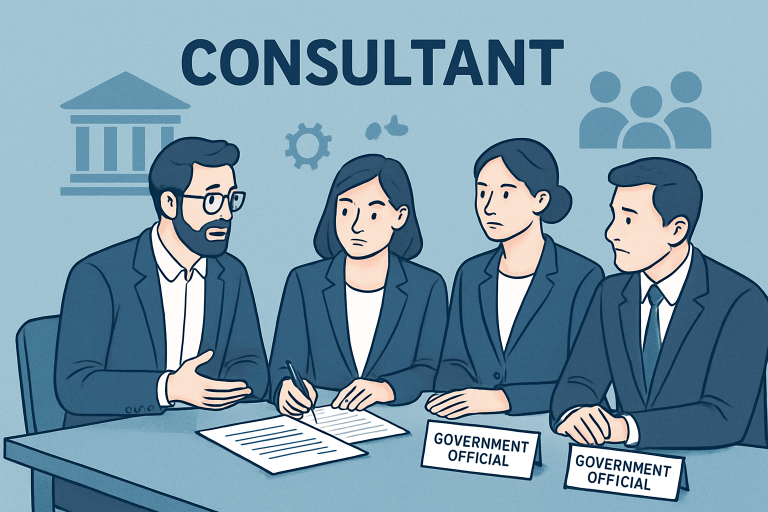
At its core, public sector consulting involves advising government departments, agencies, and nonprofit organizations on a range of critical issues, including policy design, operational process optimization, and capacity building. Unlike private sector consulting, this field requires consultants to immerse themselves in the values and statutory obligations unique to the public sphere. The end goal is to help deliver high-quality services to constituents while maximizing efficiency and value for every taxpayer dollar.
Engagements often cover diverse domains—from healthcare and education to infrastructure and public safety. Consultants must leverage analytical skills and deep sector knowledge to design solutions that align with political mandates, fiscal constraints, and long-term public interests. Many successful practitioners also act as change agents, helping organizations transition towards future-ready models of governance and service delivery.
Key Strategies for Success
Excelling in public sector consulting begins with understanding your client’s mission, values, and the regulatory environment in which they operate. Customizing your approach to fit the public organization’s culture is vital for aligning your solutions with their broader impact goals. Active stakeholder engagement at all stages not only ensures buy-in but also leads to more robust and inclusive strategies.
- Understand the Client’s Mission: Start each engagement by thoroughly researching the agency’s objectives, historical context, and statutory obligations. This foundation allows you to tailor your advice to fit the unique mission and constraints of each entity.
- Engage Stakeholders: Involving staff, leadership, and community members early and often helps anticipate resistance, clarify requirements, and surface innovative ideas.
- Focus on Sustainability: Prioritize solutions that not only address immediate pain points but also support long-term operational and financial sustainability.
As outlined by Harvard Business Review, a critical success factor in consulting is the ability to deliver actionable, enduring results rather than temporary fixes. Grounding proposals in the reality of agency resources and long-term objectives ensures more meaningful impact.
Challenges in Public Sector Consulting
Consulting for public organizations presents a unique set of challenges that require specialized strategies for effective navigation:
- Bureaucratic Hurdles: Rigid administrative processes can prolong decision-making and delay project implementation. Success requires patience, political acumen, and strong relationship management skills.
- Budget Constraints: Public sector budgets are often limited and tightly scrutinized, making cost-effective solutions imperative. Consultants must justify every expenditure and recommend clear returns on investment.
- Political Sensitivities: Unlike in the private sector, public sector consultants must consider political ownership and shifting priorities. The ability to remain impartial and diplomatically navigate the changing landscape is essential.
These challenges underscore the importance of flexibility, resilience, and ethical conduct in every consulting engagement.
Best Practices for Effective Engagements
Adhering to industry best practices is instrumental to driving results and realizing the full value of public sector engagements:
- Maintain Transparency: Consistent, open communication builds trust among stakeholders and ensures alignment throughout the project lifecycle.
- Adapt to Change: Public sector priorities are often subject to rapid shifts. Remaining flexible and responsive to new information or changes in the environment is critical.
- Measure Impact: Develop and track clear performance metrics to continually assess and demonstrate the effectiveness of your recommendations.
Providing regular progress updates, seeking continuous feedback, and aligning deliverables with desired outcomes are all proven tactics for maximizing success and client satisfaction.
Emerging Trends in Public Sector Consulting
The consulting landscape is evolving rapidly, with several noteworthy trends transforming the ways governments operate and engage with constituents:
- Digital Transformation: Governments are increasingly leveraging technology to modernize operations, automate service delivery, and enhance citizen engagement. Consultants are at the forefront of guiding agencies through the adoption of digital solutions, from cloud computing to advanced analytics.
- Data-Driven Decision Making: The integration of big data, artificial intelligence, and advanced analytics enables governments to make more informed, evidence-based decisions, resulting in improved outcomes and increased accountability.
- Focus on Sustainability: Addressing environmental concerns is now a central priority for many public sector projects. Consultants are tasked with recommending solutions that not only meet today’s needs but also promote long-term ecological viability and resilience.
These trends underscore the importance of ongoing professional development and strategic foresight among public sector consultants, ensuring their advice remains current and impactful.
Final Thoughts
Public sector consulting stands at the intersection of public service and professional expertise. By embracing the complexities of the sector, consultants can foster innovation, enhance operational effectiveness, and contribute to shaping policies that create lasting value for citizens. Those who cultivate adaptability, champion transparency, and commit to long-term sustainability will play a significant role in transforming public sector organizations—and, by extension, the communities they serve.