
Lifestyle
Best Seco de Cordero Near Me: How to Find Authentic and Delicious Lamb Stew

Published
22 hours agoon
By
Realty Fact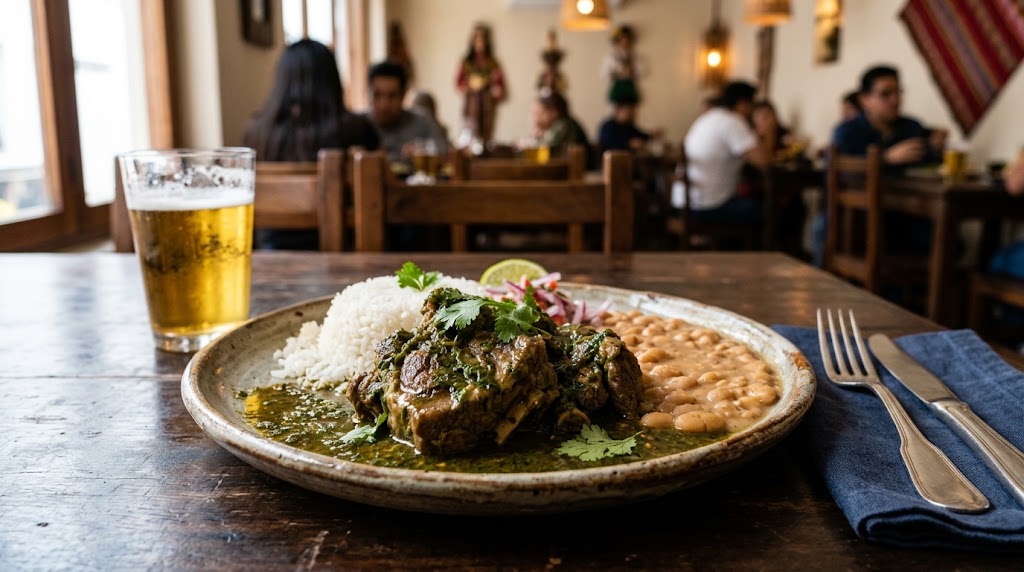
Finding the best seco de cordero near me can be an exciting experience for anyone who enjoys traditional Latin American food. This delicious lamb dish is known for its tender meat, rich seasoning, aromatic herbs, and flavorful sauce. Whether you are exploring Peruvian cuisine for the first time or already love traditional South American dishes, seco de cordero is a meal worth discovering.
Seco de cordero is a traditional lamb stew commonly associated with Peruvian and Ecuadorian cooking. Its preparation involves slowly cooking lamb with ingredients such as cilantro, garlic, onions, peppers, spices, and regional cooking liquids. The result is a satisfying dish with tender meat and a thick, flavorful sauce.
However, finding an authentic version requires more than simply searching for a nearby restaurant. You should consider the restaurant’s cooking methods, ingredient quality, customer reviews, menu options, and overall dining experience.
In this guide, you will discover what makes seco de cordero special, where to look for it, how to recognize a good restaurant, and what to expect when ordering this traditional dish.
Table of Contents
ToggleWhat Is Seco de Cordero?
Seco de cordero is a traditional lamb stew prepared using slow-cooking techniques and a combination of herbs, spices, and flavorful ingredients.
The Spanish word “cordero” means lamb, while “seco” refers to a style of stew in which the cooking liquid is reduced to create a concentrated sauce. Despite its name, the finished dish is not completely dry. Instead, it has a rich, moist texture that coats the lamb.
Different regions have their own preparation methods. In Peruvian cooking, cilantro, ají peppers, and chicha de jora are commonly associated with the dish. Ecuadorian versions may use beer, naranjilla, achiote, and generous amounts of fresh herbs.
The cooking process allows the lamb to absorb the seasoning while becoming tender enough to separate easily with a fork.
Why Is Seco de Cordero So Popular?
Several characteristics make this dish appealing to food lovers.
- Tender lamb: Slow cooking helps break down tougher cuts of lamb.
- Rich sauce: Herbs, spices, and cooking liquids create a deep flavor.
- Fresh ingredients: Cilantro, garlic, onions, and peppers provide an aromatic taste.
- Traditional preparation: The recipe reflects generations of South American cooking traditions.
- Filling portions: Rice, beans, potatoes, or other sides make it a satisfying main course.
Its combination of comforting flavors and traditional preparation makes seco de cordero an excellent choice for people who enjoy hearty meals.
How to Find the Best Seco de Cordero Near Me
When searching for the best seco de cordero near me, start by identifying restaurants that specialize in authentic Peruvian or Ecuadorian cuisine.
Not every Latin American restaurant prepares this particular lamb stew. Some restaurants offer similar dishes, such as seco de pollo, seco de carne, or seco de chivo. Therefore, checking the menu before visiting can save time.
Here are some practical ways to find a restaurant serving this specialty.
1. Search on Google Maps
Google Maps is one of the easiest ways to discover restaurants in your area.
Search for phrases such as:
- Best seco de cordero near me
- Peruvian lamb stew near me
- Authentic Peruvian restaurants nearby
- Ecuadorian restaurants near me
- Traditional lamb stew near me
Check restaurant descriptions, photographs, customer reviews, directions, and available contact information.
You can also explore restaurants in nearby neighborhoods if your immediate area has limited options.
2. Check Restaurant Menus Online
Before visiting a restaurant, look at its online menu.
Some restaurants publish complete menus on their websites, while others share food photographs and daily specials through social media.
Look specifically for seco de cordero, seco de borrego, or Peruvian lamb stew. These names can help you identify restaurants that offer the dish.
If you cannot find it online, contact the restaurant directly and ask whether it is currently available.
3. Read Recent Customer Reviews
Customer feedback can help you understand what to expect from a restaurant.
Instead of looking only at the overall star rating, read reviews that mention specific dishes, meat tenderness, portion sizes, food temperature, and service quality.
Recent reviews are particularly useful because restaurant menus and kitchen quality can change over time.
4. Explore Authentic Latin American Restaurants
Restaurants specializing in Peruvian, Ecuadorian, or broader Andean cuisine are good places to start.
Traditional restaurants are more likely to understand the cooking techniques and ingredients associated with regional seco recipes.
However, always confirm that the specific lamb version is available because menus vary between restaurants.
What Makes a Great Seco de Cordero?
Not every lamb stew offers the same experience. A well-prepared seco de cordero should have balanced seasoning, tender meat, and a sauce with concentrated flavor.
Here are the main qualities to consider when choosing a restaurant.
Tender and Properly Cooked Lamb
Lamb is the most important ingredient in this dish.
A good restaurant should use quality lamb cuts and cook them slowly enough to achieve a soft, juicy texture. Shoulder, neck, and shank are examples of cuts suitable for slow-cooked preparations.
The meat should be flavorful without becoming excessively dry or falling apart into an unrecognizable texture.
Fresh Cilantro and Aromatic Herbs
Cilantro is an important ingredient in many Peruvian and Ecuadorian versions of seco de cordero.
It gives the sauce its distinctive herbal character and contributes to the dish’s green appearance.
Garlic, onions, cumin, pepper, and other seasonings provide additional depth.
A Rich and Well-Balanced Sauce
The sauce should complement the lamb rather than overpower it.
Depending on the regional recipe, the cooking liquid may include chicha de jora, beer, or other traditional ingredients.
The sauce should be thick enough to accompany rice but still moist and flavorful.
Freshly Prepared Side Dishes
Traditional accompaniments make a big difference to the overall meal.
Look for restaurants that serve their lamb stew with freshly prepared rice, beans, potatoes, cassava, or fried plantains.
Fresh accompaniments create a more complete dining experience.
Traditional Ingredients Used in Seco de Cordero
Understanding the ingredients can help you appreciate the dish and identify authentic preparations.
Lamb
Lamb provides the main protein and develops a rich flavor during slow cooking.
Cuts with some connective tissue are particularly suitable because extended cooking helps create a tender texture.
Cilantro
Cilantro gives many versions of seco de cordero their recognizable herbal flavor.
It is often blended or incorporated into the cooking sauce.
Ají Peppers
Peruvian recipes may include ají amarillo or ají panca.
These peppers contribute color, mild heat, and distinctive flavor. The amount used depends on the regional recipe and restaurant.
Chicha de Jora or Beer
Chicha de jora is a traditional fermented corn beverage used in certain Peruvian preparations.
Some recipes use beer instead, depending on local traditions and ingredient availability.
These liquids contribute acidity and depth to the cooking sauce.
Garlic, Onion, and Spices
Garlic and onions form the aromatic foundation of the dish.
Cumin, black pepper, salt, and other seasonings help create its characteristic savory taste.
Best Side Dishes to Enjoy With Seco de Cordero
Choosing the right side dishes can make your meal even more enjoyable.
White Rice
White rice is one of the most common accompaniments.
Its mild flavor balances the rich sauce and allows you to enjoy every part of the stew.
Peruvian Beans
Beans are a popular addition to many Peruvian meals.
Their creamy texture complements the tender lamb and makes the meal more filling.
Fried Plantains
Fried plantains introduce a slightly sweet flavor that contrasts nicely with the savory sauce.
They are particularly enjoyable when served warm.
Boiled Cassava
Cassava, also called yuca, is another traditional accompaniment in some South American dishes.
Its soft texture makes it a good match for slow-cooked lamb.
Fresh Salad
A simple salad made with onions, tomatoes, herbs, or lime can provide freshness and balance.
Seco de Cordero vs. Seco de Chivo: What Is the Difference?
When searching for authentic South American food, you may come across two similar dishes: seco de cordero and seco de chivo.
Although their preparation methods can be similar, their main ingredients are different.
Seco de cordero is prepared with lamb, while seco de chivo is made with goat meat.
Both dishes can feature cilantro, garlic, onions, peppers, and slow-cooking techniques.
The flavor and texture are different because lamb and goat have distinct characteristics.
If you prefer a richer lamb flavor and tender meat, seco de cordero may be the better option. If you enjoy the stronger flavor associated with goat meat, seco de chivo is worth trying.
Always confirm the meat used by the restaurant because menu descriptions and regional naming practices can sometimes vary.
What to Check Before Ordering Seco de Cordero
Before choosing a restaurant, consider a few practical details.
Availability
Some restaurants prepare traditional stews only on specific days.
Call ahead to confirm whether seco de cordero is available on the day of your visit.
Portion Size
Ask about serving sizes if you are ordering for multiple people.
Some restaurants serve individual portions, while others offer larger family-style meals.
Price and Value
Compare prices between restaurants, but do not choose based on cost alone.
Consider the portion size, ingredient quality, preparation method, and overall customer experience.
Dietary Preferences
Ask about ingredients if you have dietary restrictions or food preferences.
For example, certain traditional recipes use beer or other fermented cooking liquids. You can ask whether the restaurant offers an alternative preparation.
Dine-In and Takeaway Options
If you prefer eating at home, check whether the restaurant offers takeaway or delivery.
Slow-cooked lamb dishes can travel reasonably well when packed properly, although freshly served food usually provides the best texture and presentation.
Is Seco de Cordero Worth Trying?
Absolutely. Seco de cordero is worth exploring if you enjoy traditional lamb dishes and flavorful stews.
Its appeal comes from the combination of tender meat, aromatic seasoning, and a concentrated sauce.
Unlike quickly prepared meals, this dish benefits from patience and careful cooking. The time spent developing its flavors is an important part of its appeal.
It is also a great introduction to the culinary traditions of Peru and Ecuador.
Whether you are dining with family, exploring a new cuisine, or simply looking for a satisfying lamb meal, this traditional dish offers something different from ordinary restaurant options.
Frequently Asked Questions
What does seco de cordero taste like?
Seco de cordero has a savory, aromatic, and herbaceous flavor. Its lamb is slowly cooked in a seasoned sauce that may contain cilantro, garlic, peppers, and traditional cooking liquids. The exact taste depends on the regional recipe.
Where can I find the best seco de cordero near me?
Search Google Maps for Peruvian restaurants, Ecuadorian restaurants, and restaurants offering traditional lamb stew. Check their menus, recent reviews, and photographs before visiting.
Is seco de cordero spicy?
It depends on the recipe. Some versions use ají peppers for mild heat, while others have a more pronounced spicy flavor. Ask the restaurant about its spice level before ordering.
What is seco de cordero usually served with?
Common accompaniments include white rice, beans, boiled cassava, potatoes, fried plantains, and fresh salad.
Is seco de cordero Peruvian or Ecuadorian?
It is associated with both Peruvian and Ecuadorian culinary traditions. Preparation methods and ingredients differ between regions, although both cuisines feature flavorful slow-cooked lamb dishes.
What is the difference between seco de cordero and seco de borrego?
Both expressions generally refer to lamb stew. The words cordero and borrego are regional Spanish terms for lamb, although their usage varies between countries.
Can I order seco de cordero for takeaway?
Many restaurants offer takeaway, but availability depends on the establishment. Contact the restaurant to confirm whether the dish can be ordered for pickup or delivery.
Is seco de cordero available every day?
Not necessarily. Some restaurants prepare traditional dishes as daily specials or on particular days. Calling ahead is the easiest way to confirm availability.
Final Thoughts
Finding the best seco de cordero near me starts with knowing what makes this traditional lamb dish special. From tender slow-cooked meat and fresh cilantro to its rich sauce and delicious accompaniments, every element contributes to the experience.
Start by exploring authentic Peruvian and Ecuadorian restaurants, checking their menus, and reading recent customer reviews. Do not hesitate to contact a restaurant directly to confirm its preparation methods and daily availability.
A properly prepared seco de cordero offers a wonderful opportunity to experience traditional South American cooking. If you enjoy lamb and flavorful regional dishes, it deserves a place on your list of meals to try.