
Home Improvment
How to Spot and Prevent Roof Damage Before It Becomes a Problem

Key Takeaways
- Regular roof inspections are vital for catching early signs of damage and curbing costly repairs.
- Indicators such as missing shingles, water stains, and sagging can be warning signs of bigger issues.
- Routine maintenance, such as clearing gutters and trimming trees, plays a major role in extending roof life.
- Professional inspections uncover hidden or structural problems to preserve your home’s safety and value.
Introduction
The roof over your head is one of your home’s most important protections against harsh weather, moisture, and temperature extremes. Regular care and vigilance can ensure that your roof continues to perform at its best, reducing the risk of emergency repairs or premature replacements. For homeowners in Missouri and regions with unpredictable weather, learning how to detect early warning signs of roof trouble can mean the difference between a minor fix and a major overhaul. If you find yourself facing unexpected issues, professional help is just a click away with Biebel Brothers Roofing, making it easier to handle everything from leaks to storm-related damage.
Proactive roof maintenance protects both your property and your peace of mind. Over time, minor vulnerabilities can develop into costly, disruptive issues that often remain hidden until major work is required. Scheduling regular inspections and watching for both obvious and subtle signs of wear helps keep your home protected, structurally sound, and energy-efficient.
Homeowners benefit from understanding what to monitor and how preventive care reduces long-term expenses. Knowing the difference between normal aging and damage that demands immediate action is essential—especially when problems escalate and require emergency roof repair St Louis MO services. Adding routine roof checks to your home maintenance checklist can help you catch concerns early and avoid urgent situations.
Just as plumbing or electrical issues shouldn’t be ignored, overlooking your roof can lead to significant complications. A small investment of time now can prevent extensive damage later. For broader upkeep strategies, resources like Kiplinger’s Spring Home Maintenance Checklist offer practical guidance to help keep your entire home in excellent condition.
Common Signs of Roof Damage
Identifying roof damage early is key to cost-effective repairs. Homeowners should keep an eye out for a range of visible and hidden warning signs:
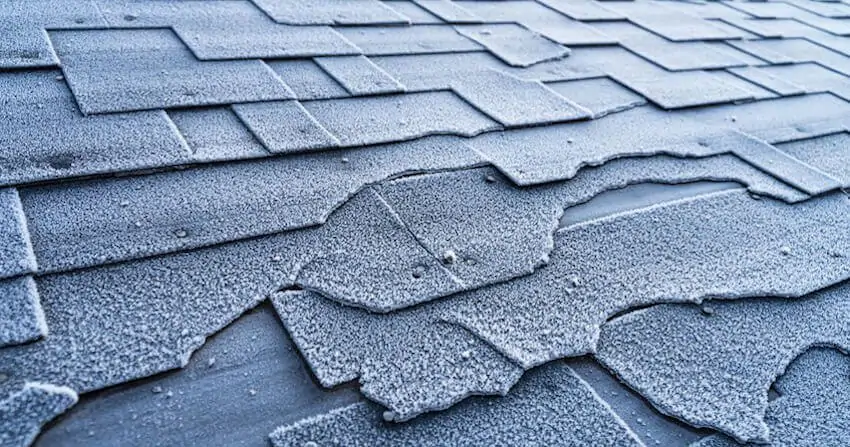
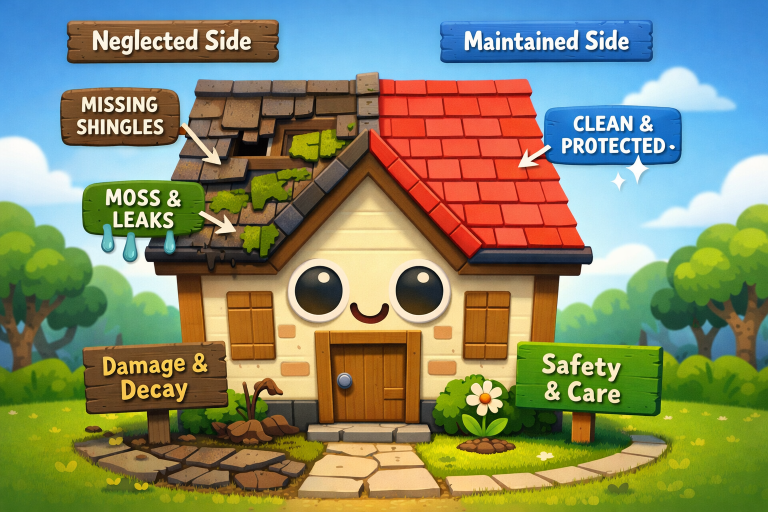
- Missing or Damaged Shingles: Shingles serve as the roof’s primary layer of protection. Look for curling, cracking, blistering, or missing shingles, especially after storms or heavy winds.
- Water Stains on Ceilings or Walls: Brown or yellow spots, peeling paint, or damp patches inside your home often indicate roof leaks. Address these issues promptly to avoid mold growth or wood rot.
- Sagging Roof Deck: Noticeable dips or buckling along the exterior roofline, or areas that feel soft underfoot, signal possible structural damage from prolonged exposure to moisture.
- Granules in Gutters: Finding sand-like granules in gutters or around your downspouts is a major indicator that asphalt shingles are deteriorating and losing their protective layer.
- Moss or Algae Growth: Patches of green vegetation may seem cosmetic, but they trap moisture, leading to roof surface decay and potentially compromising the waterproof barrier.
Preventative Measures to Protect Your Roof
Prevention is always less costly than repair when it comes to your home’s roof. By practicing regular maintenance and keeping an eye out for early signs of trouble, you maximize your roofing system’s lifespan and safeguard your investment.
- Regular Inspections: Schedule bi-annual roof checks, with additional inspections after storms. Look for damaged materials, blocked drainage, and any developing weaknesses.
- Clean Gutters and Downspouts: Keep gutters and downspouts clear of debris to prevent water backup, which can create ice dams in winter or seepage problems in the rainy season.
- Trim Overhanging Branches: Large tree limbs hanging above your roof can scrape shingles during windy weather and deposit organic debris that promotes moss growth.
- Ensure Proper Attic Ventilation: Adequately ventilated attics reduce the buildup of excess moisture, preventing rot and mold and helping to control indoor temperatures.
- Address Minor Repairs Promptly: Small fixes, such as resealing flashing or replacing a few shingles, prevent larger failures that could compromise extensive portions of your roof system.
The National Roofing Contractors Association provides a comprehensive overview of roof system maintenance, helpful for homeowners interested in more technical details and best practices.
When to Seek Professional Help
While a keen DIY approach is valuable, certain situations require the expertise and tools of a licensed roofing professional:
- After Severe Weather: Hail, strong winds, and heavy rain may cause damage that is not readily visible from the ground. Professionals use specialized techniques to ensure comprehensive inspections.
- Persistent Leaks: If repeated attempts to fix a leak fail, a roofer can investigate for damage hidden beneath roofing materials or within attic spaces.
- Roof Age: The typical roof lasts between 20 and 30 years, depending on the material. As your roof nears this age, schedule an assessment to determine if re-roofing or targeted repairs are warranted.
Conclusion
Your roof is one of your home’s most significant long-term investments. With regular inspections, prompt attention to minor concerns, and ongoing maintenance, you can ensure it continues to perform its essential protective function. Being aware of warning signs and acting quickly can prevent costly repairs and maintain the comfort and safety of your home. In complex or urgent cases, always connect with a professional for peace of mind and reliable results. In the long run, it is the best way to ensure your home stands strong for years to come.