
Health
Masgonzola: A Bold Fusion of Mascarpone and Gorgonzola

Published
2 months agoon
By
Smith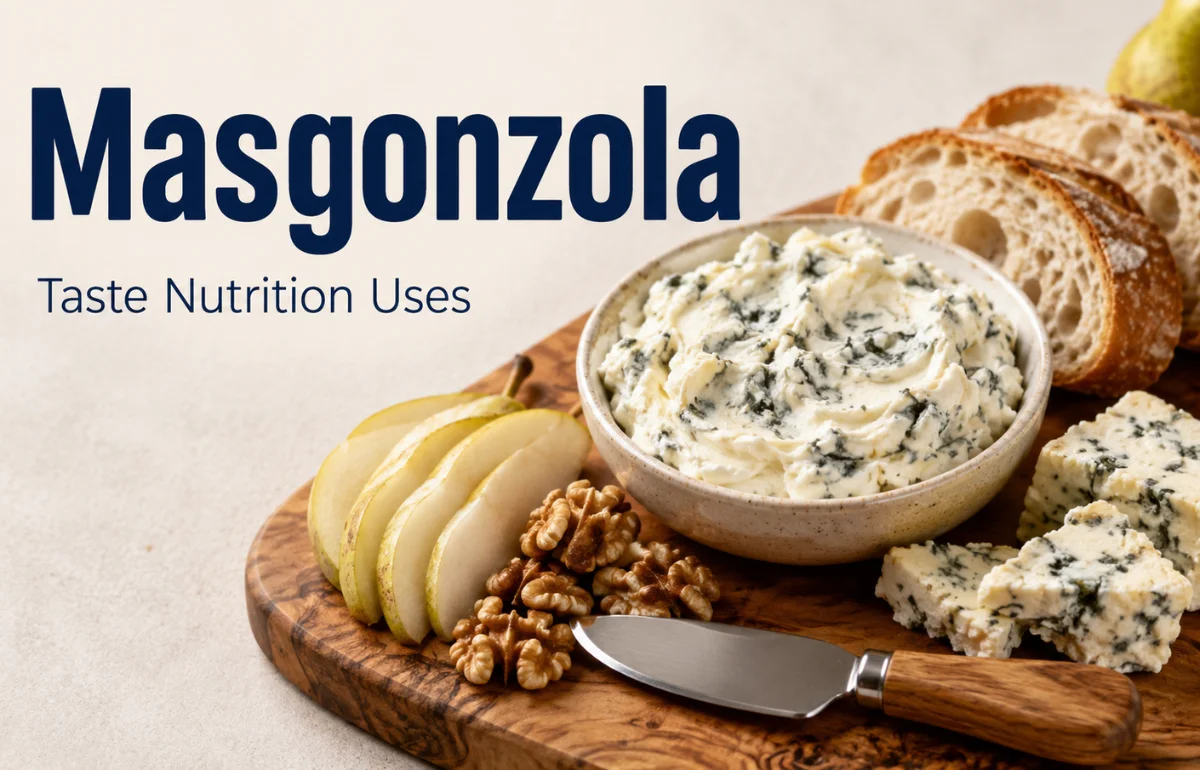
Masgonzola is a distinctive Italian-style cheese that brings together two very different dairy traditions: the rich, creamy character of mascarpone and the sharp, aromatic personality of Gorgonzola. The result is an indulgent combination in which sweetness, creaminess, saltiness, and blue-cheese tang meet in a single product. Although it does not have the centuries-old identity or protected status associated with cheeses such as Parmigiano Reggiano or traditional Gorgonzola, Masgonzola reflects a familiar principle in Italian food: contrasting ingredients can create something more balanced and interesting when enjoyed together.
Table of Contents
ToggleWhat Is Masgonzola?
Masgonzola is generally understood as a combination of mascarpone and Gorgonzola, often produced by layering or blending the two. Mascarpone is an exceptionally creamy Italian dairy product with a mild, slightly sweet flavor. Best known internationally as an essential ingredient in tiramisu, it contains a high proportion of milk fat and has a thick, smooth consistency.
Gorgonzola, by contrast, is one of Italy’s most famous blue cheeses. Traditionally produced from cow’s milk in designated areas of northern Italy, it is inoculated with Penicillium molds that create characteristic blue or green veins. Depending on its style and maturity, Gorgonzola can range from soft, creamy, and relatively mild to firm, pungent, and intensely flavored.
Combining the two produces a cheese experience that retains the recognizable taste of blue cheese while moderating some of its sharpness. The mascarpone contributes a buttery texture and delicate sweetness, while Gorgonzola supplies salt, complexity, and its unmistakable blue-cheese aroma.
Flavor and Texture
The central appeal of Masgonzola is contrast. Blue cheese can be challenging for people who find its saltiness and pungency overwhelming. Mascarpone acts as a counterweight, coating the palate with rich creaminess and softening the more assertive characteristics of Gorgonzola.
The precise flavor depends on the proportions and the type of Gorgonzola used. A combination based on Gorgonzola Dolce, the younger and softer form of the cheese, can be exceptionally creamy and relatively gentle. Gorgonzola Piccante, which is aged longer and develops a stronger, sharper flavor, creates a more dramatic contrast with mascarpone.
Visually, versions made in layers can also be striking. Pale mascarpone alternates with sections of blue-veined Gorgonzola, giving a cut piece an attractive pattern. Blended versions have a more uniform appearance and consistency but retain much of the same flavor interplay.
How to Serve Masgonzola
Masgonzola is particularly well suited to a cheese board. Because it is rich, only a small portion is usually needed. It can be served at cool room temperature rather than directly from the refrigerator, allowing the texture to soften and its flavors to become more apparent.
Simple accompaniments work especially well. Fresh pears and figs complement its creamy, salty qualities, while grapes and apples provide acidity and freshness. Dried figs, dates, and apricots offer concentrated sweetness that stands up well to blue cheese. Walnuts and hazelnuts add texture and earthy flavors.
Honey is another natural companion. A small drizzle can emphasize the sweetness of the mascarpone without disguising the Gorgonzola. For a darker and more complex sweetness, fig preserves, pear mostarda, or a carefully used balsamic reduction can also work.
Bread should generally remain neutral. Crusty Italian bread, toasted sourdough, grissini, or plain crackers provide texture while leaving the cheese itself at the center of the experience.
Using Masgonzola in Cooking
Masgonzola can also be incorporated into warm dishes, particularly when a recipe benefits from a creamy blue-cheese element. Melted gently into pasta, it can form a rich sauce with very little preparation. A splash of pasta cooking water can loosen the cheese, helping it coat tagliatelle, gnocchi, or short pasta shapes.
Risotto provides another possibility. Adding Masgonzola near the end of cooking produces a creamy finish with substantially more flavor than butter or mascarpone alone. Pears, walnuts, radicchio, and mushrooms all make compatible additions.
It can also be used sparingly as a pizza topping. Rather than covering the entire pizza, small pieces can be distributed among ingredients such as pear, walnuts, caramelized onions, prosciutto, or radicchio. As the cheese warms, the mascarpone softens while the Gorgonzola contributes savory depth.
Polenta is another excellent partner. Soft polenta has a relatively gentle flavor, so a spoonful of Masgonzola provides both richness and intensity. This pairing can accompany roasted mushrooms, braised vegetables, or meat.
Pairing Masgonzola with Drinks
Because Masgonzola combines fat, salt, sweetness, and blue-cheese pungency, it pairs particularly well with drinks that have enough character to match it. Traditional blue-cheese pairings often favor sweet wines because sweetness provides a pleasing contrast to salt.
Dessert wines and late-harvest wines can therefore be effective choices. Depending on the specific cheese, fortified wines such as Port may also work well. The goal is balance: an extremely pungent Masgonzola can handle a powerful wine, while a mild, mascarpone-heavy version may be better alongside something more delicate.
Beer offers other possibilities. Belgian-style ales, strong dark beers, or certain fruit-forward beers can complement the cheese’s mixture of sweetness and savory intensity. Nonalcoholic pairings might include pear or apple juice, sparkling grape juice, or a tart fruit-based drink that provides enough acidity to refresh the palate.
An Accessible Introduction to Blue Cheese
One interesting quality of Masgonzola is its potential to appeal to people who are uncertain about blue cheese. Gorgonzola by itself can be intensely aromatic, particularly in stronger aged forms. Mascarpone creates a softer introduction by reducing the concentration of those flavors and adding a familiar creamy quality.
For established blue-cheese enthusiasts, the attraction is somewhat different. Masgonzola demonstrates how Gorgonzola changes when placed in direct contrast with a neutral, high-fat dairy ingredient. Its peppery, earthy, and savory notes remain, but they emerge from a sweeter and richer background.
A Cheese Built on Contrast
Masgonzola is ultimately about balance. It combines two ingredients that seem almost opposite in personality: mild mascarpone and assertive Gorgonzola. One provides richness without much sharpness; the other supplies distinctive aromas, saltiness, and complexity.
That combination makes Masgonzola versatile enough for cheese boards, pasta, risotto, polenta, pizza, and creative appetizers. Paired with fruit, nuts, honey, or a suitable wine, it can also become a memorable final course.
For anyone who enjoys the luxurious texture of mascarpone but wants something more savory—or loves Gorgonzola but occasionally wants its intensity softened—Masgonzola occupies an appealing middle ground. It illustrates a simple culinary idea particularly well: sometimes the most satisfying flavors emerge not from choosing between opposites, but from bringing them together.