
Home Improvment
Best Indoor Plants for Small Apartments: 15 Beautiful and Easy-Care Options

Published
2 hours agoon
By
Realty Fact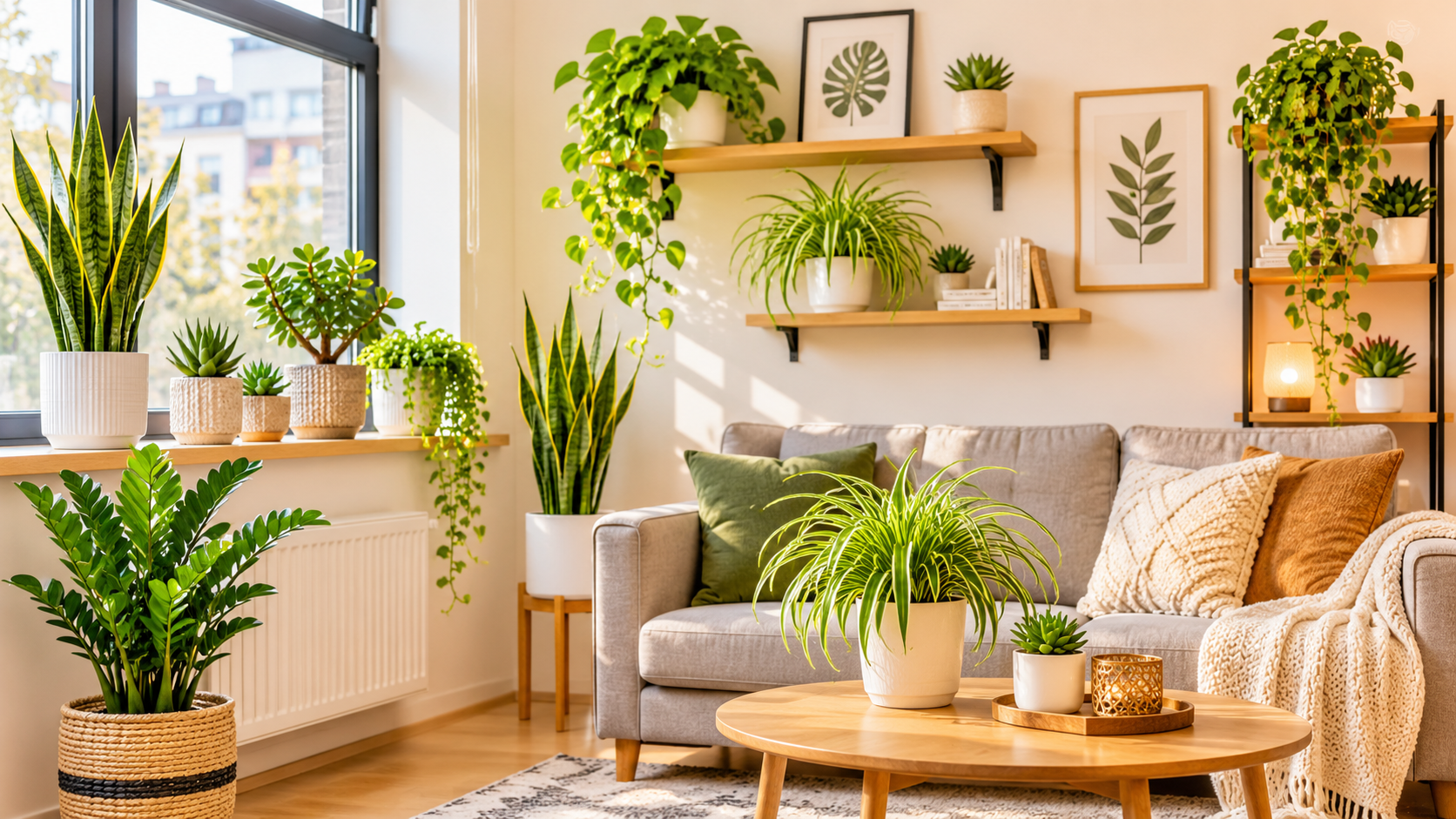
Living in a small apartment doesn’t mean you have to miss out on the beauty of indoor plants. Even if you have limited floor space, a few carefully selected plants can make your home feel fresher, brighter, and more welcoming. From compact succulents to elegant hanging plants, there are plenty of options that fit perfectly into small living spaces.
The best indoor plants for small apartments are those that require minimal space, adapt to indoor lighting conditions, and don’t demand constant attention. Some plants grow vertically, while others look beautiful on shelves, windowsills, desks, and kitchen counters.
Whether you’re a beginner or an experienced plant lover, choosing the right greenery can help you create a relaxing indoor environment without making your apartment feel crowded.
In this guide, you’ll discover 15 beautiful indoor plants that are suitable for small apartments, along with their care requirements and practical tips for displaying them in limited spaces.
Table of Contents
ToggleWhy Indoor Plants Are Perfect for Small Apartments
Indoor plants offer more than just decoration. They bring natural colors and interesting textures into your home while helping create a comfortable atmosphere.
Here are some reasons why adding plants to a small apartment is a great idea.
They Make Small Spaces Feel More Welcoming
A small apartment can sometimes feel plain or empty, especially when it has limited natural decoration. Indoor plants introduce natural greenery that makes rooms feel more lively and visually appealing.
They Add Natural Decoration Without Major Changes
You don’t need expensive furniture or complicated renovations to improve your apartment. A small plant on a coffee table or a hanging plant near a window can make a noticeable difference.
They Help Create a Relaxing Environment
Taking care of plants can become a simple and enjoyable daily activity. Watering, pruning, and watching new leaves grow can make your home feel more connected to nature.
They Fit Different Interior Styles
Whether your apartment has a modern, minimalist, traditional, or bohemian design, there’s an indoor plant that can complement its appearance.
15 Best Indoor Plants for Small Apartments
Not every plant is suitable for a compact living space. Some grow too large, while others need more sunlight or regular maintenance.
The following options are popular choices because many of them stay relatively compact, grow vertically, or adapt well to indoor environments.
1. Snake Plant
The snake plant is one of the best indoor plants for small apartments because it grows upright instead of spreading across the floor. Its long, pointed leaves create an attractive appearance without requiring much space.
It can tolerate low-light conditions, although bright, indirect light generally supports healthier growth. Snake plants also prefer their soil to dry out between waterings.
Care requirements:
- Light: Low to bright indirect light.
- Water: Every 2–4 weeks, depending on conditions.
- Space: Small floor corners, shelves, or side tables.
- Maintenance: Very low.
It’s an excellent option for people who want attractive greenery without spending too much time on plant care.
2. Pothos
Pothos is a beautiful trailing plant that works particularly well in apartments with limited floor space. Its heart-shaped leaves grow along long vines that can hang from shelves, baskets, or wall-mounted planters.
It grows well in bright, indirect light and can tolerate lower-light conditions. However, its growth may become slower and its leaves less colorful in darker areas.
Care requirements:
- Light: Low to bright indirect light.
- Water: When the upper soil becomes dry.
- Space: Hanging baskets and shelves.
- Maintenance: Easy.
Golden pothos, marble queen, and neon pothos are attractive varieties worth considering.
3. ZZ Plant
The ZZ plant is a great choice for apartment residents who sometimes forget to water their plants. Its thick stems and glossy leaves store moisture, allowing it to tolerate occasional dry periods.
It grows slowly and maintains an attractive appearance with relatively little attention.
Care requirements:
- Light: Low to bright indirect light.
- Water: When the soil has dried out.
- Space: Small corners, desks, and side tables.
- Maintenance: Very low.
Avoid watering too frequently because consistently wet soil can cause root problems.
4. Spider Plant
Spider plants are popular indoor plants with narrow, arching green leaves. Some varieties feature attractive white stripes that add visual interest to small rooms.
They also produce small baby plants that can be separated and grown in new containers.
Care requirements:
- Light: Bright, indirect light.
- Water: When the top layer of soil dries.
- Space: Hanging baskets and shelves.
- Maintenance: Easy.
Spider plants are especially useful when you want greenery without purchasing several separate plants.
5. Peace Lily
Peace lilies are known for their dark green leaves and elegant white flowers. Their relatively compact growth makes them suitable for bedrooms, living rooms, and apartment corners.
They prefer bright, indirect light but can tolerate lower-light environments. They need regular watering and should not be left completely dry for extended periods.
Care requirements:
- Light: Medium to bright indirect light.
- Water: When the top layer of soil begins to dry.
- Space: Small floor pots and tables.
- Maintenance: Moderate.
One important consideration is that peace lilies are toxic to cats and dogs if ingested, so keep them away from pets.
6. Aloe Vera
Aloe vera is an attractive succulent with thick, fleshy leaves. Its compact structure makes it ideal for windowsills, kitchen counters, and sunny desks.
Unlike many tropical houseplants, aloe vera prefers plenty of bright light and well-draining soil. It stores water in its leaves, so frequent watering is unnecessary.
Care requirements:
- Light: Bright light, preferably with some direct sunlight.
- Water: When the soil dries completely.
- Space: Windowsills and small tables.
- Maintenance: Low.
Aloe vera is a practical choice for people who prefer low-maintenance plants and have a sunny spot available.
7. Jade Plant
The jade plant is a small succulent with thick branches and rounded, fleshy leaves. It grows slowly and can develop an attractive miniature tree-like shape over time.
Its compact appearance makes it suitable for desks, shelves, and sunny windowsills.
Care requirements:
- Light: Bright light, including some direct sunlight.
- Water: When the soil is completely dry.
- Space: Small pots and windowsills.
- Maintenance: Low.
Choose a container with drainage holes to prevent excess moisture around its roots.
8. Chinese Evergreen
Chinese evergreen is an excellent indoor plant for people who want attractive leaves without complicated maintenance.
Its leaves come in different shades of green, silver, and sometimes pink, depending on the variety. It generally grows slowly and stays manageable in indoor containers.
Care requirements:
- Light: Low to bright indirect light.
- Water: When the upper soil becomes dry.
- Space: Side tables and apartment corners.
- Maintenance: Low to moderate.
It is important to remember that Chinese evergreen is toxic if chewed or swallowed by pets.
9. English Ivy
English ivy is a trailing plant that can add greenery to vertical spaces. Its small leaves and climbing growth make it particularly attractive in hanging baskets and decorative shelves.
It prefers bright, indirect light and evenly moist but well-draining soil.
Care requirements:
- Light: Bright, indirect light.
- Water: When the surface of the soil starts drying.
- Space: Hanging baskets and elevated shelves.
- Maintenance: Moderate.
Regular trimming helps prevent the vines from becoming too long or difficult to manage. English ivy can be toxic to pets.
10. Rubber Plant
A rubber plant has large, glossy leaves that create a bold decorative effect. Although some varieties can eventually grow quite tall, smaller varieties and regular pruning make them suitable for apartments.
It prefers bright, indirect light and should be watered when the upper portion of its soil becomes dry.
Care requirements:
- Light: Bright, indirect light.
- Water: When the topsoil dries.
- Space: Near windows and apartment corners.
- Maintenance: Moderate.
Its attractive leaves make it a good choice when you want one statement plant instead of several small ones.
11. Philodendron
Philodendrons are available in many varieties, including compact and trailing types. Heartleaf philodendron is particularly suitable for apartments because its vines can grow along shelves or hang from small planters.
It adapts to different indoor lighting conditions, although bright, indirect light encourages healthier growth.
Care requirements:
- Light: Low to bright indirect light.
- Water: When the upper soil dries.
- Space: Shelves, desks, and hanging baskets.
- Maintenance: Easy.
Keep philodendrons away from pets because they contain substances that can irritate the mouth if chewed.
12. Lucky Bamboo
Lucky bamboo is a popular decorative plant that can grow in water or suitable potting soil. Its upright stems make it ideal for narrow spaces where traditional pots might feel too large.
It looks particularly attractive on office desks, bathroom counters, and small tables.
Care requirements:
- Light: Bright, indirect light.
- Water: Maintain clean water if grown hydroponically.
- Space: Small containers and tabletops.
- Maintenance: Low.
Despite its common name, lucky bamboo is not a true bamboo plant. It is also toxic to cats and dogs.
13. Parlor Palm
The parlor palm is a compact indoor palm that brings a tropical appearance to small living spaces. It generally grows slowly and doesn’t require strong direct sunlight.
Its delicate leaves make it suitable for apartment corners, living rooms, and shaded areas.
Care requirements:
- Light: Low to medium indirect light.
- Water: When the top layer of soil becomes dry.
- Space: Small floor areas and corners.
- Maintenance: Low to moderate.
It is also considered a pet-friendly option, making it a useful choice for households with cats or dogs.
14. Haworthia
Haworthia is a small succulent with thick leaves that often feature attractive white stripes or raised patterns.
Because it remains compact, it is perfect for windowsills, bookshelves, work desks, and small decorative arrangements.
Care requirements:
- Light: Bright, indirect light.
- Water: When the soil dries completely.
- Space: Small containers and shelves.
- Maintenance: Low.
Haworthia is particularly suitable for people who love succulents but don’t have enough room for larger varieties.
15. Baby Rubber Plant
The baby rubber plant, also known as Peperomia obtusifolia, is a compact houseplant with thick, rounded leaves.
It generally stays smaller than many traditional indoor foliage plants, making it a practical option for apartments with limited space.
Care requirements:
- Light: Medium to bright indirect light.
- Water: When the upper soil dries.
- Space: Desks, shelves, and small tables.
- Maintenance: Low.
It is also considered non-toxic to cats and dogs, which makes it a good option for pet-friendly homes.
Best Indoor Plants for Different Apartment Spaces
Choosing plants according to the available space can help you avoid overcrowding and create a more balanced interior.
Best Plants for Small Bedrooms
Bedrooms usually benefit from compact plants that don’t require much attention.
Consider these options:
- Snake plant
- ZZ plant
- Haworthia
- Baby rubber plant
Place them on a bedside table, windowsill, or small shelf where they receive suitable light.
Best Plants for Small Living Rooms
Living rooms offer more opportunities to display decorative plants. You can choose plants with attractive leaves or trailing growth.
Good options include:
- Rubber plant
- Peace lily
- Parlor palm
- Chinese evergreen
A medium-sized plant in an empty corner can become an attractive focal point.
Best Plants for Small Kitchens
Kitchens often have windowsills and counters that can accommodate compact greenery.
Consider:
- Aloe vera
- Spider plant
- Pothos
- Jade plant
Avoid placing plants directly beside hot cooking appliances or in locations where they may experience sudden temperature changes.
Best Plants for Small Bathrooms
Bathrooms may offer higher humidity, which can benefit certain tropical houseplants.
Suitable choices include:
- Pothos
- Spider plant
- Peace lily
However, bathrooms without windows may not provide enough natural light. In that situation, a suitable grow light can help support plant growth.
How to Choose Indoor Plants for a Small Apartment
Before purchasing indoor plants, consider your available space, lighting conditions, and daily routine.
Consider Your Available Space
Measure the area where you want to place a plant. Think about the mature size of the plant rather than its appearance when you first purchase it.
Compact plants are generally easier to manage on shelves, desks, and windowsills. Trailing plants can make use of vertical space without occupying additional floor area.
Check Your Lighting Conditions
Light is one of the most important factors in choosing an indoor plant.
A bright window may support succulents and aloe vera, while areas with less natural light may be better suited to ZZ plants or snake plants.
Remember that low-light tolerance does not mean a plant can survive without light.
Choose Low-Maintenance Varieties
If you have a busy lifestyle, choose plants that don’t require frequent watering or complicated care.
Snake plants, ZZ plants, and Haworthia are practical options for beginners.
Consider Pets and Children
Some common houseplants can be harmful if eaten. If you have cats, dogs, or young children, research plant toxicity before bringing a new variety home.
Spider plants, parlor palms, and baby rubber plants are examples of pet-friendly choices.
Smart Ways to Display Plants in Small Apartments
You don’t need a large garden or balcony to create an attractive indoor plant collection. A few creative arrangements can help you use your available space more effectively.
Use Hanging Planters
Hanging planters are useful because they keep pots off tables and floors. Trailing plants such as pothos and spider plants look particularly attractive in hanging containers.
Add Plants to Floating Shelves
Floating shelves provide extra display space without taking up floor area. You can combine small succulents, compact foliage plants, and decorative containers.
Choose Vertical Plant Stands
Vertical plant stands allow you to display multiple plants in one small area. They are especially useful for apartment residents who want a small indoor garden.
Use Windowsills
Windowsills are practical locations for plants that need natural light. Aloe vera, jade plants, and Haworthia can work well in suitable sunny locations.
Always make sure the pots are stable and have proper drainage.
Common Indoor Plant Care Mistakes to Avoid
Even easy-care plants can struggle when their basic needs are ignored. Avoid these common mistakes to keep your apartment plants healthy.
Overwatering: Adding water too frequently is one of the most common causes of indoor plant problems. Always check the soil before watering.
Ignoring Lighting Requirements: A plant placed in an unsuitable lighting environment may develop weak growth or lose its attractive appearance.
Using Pots Without Drainage: Excess water needs somewhere to escape. Choose containers with drainage holes whenever possible.
Overcrowding Plants: Placing too many plants together can reduce airflow and make your apartment feel cluttered.
Ignoring Pests: Check leaves regularly for signs of spider mites, mealybugs, and other common indoor plant pests.
Choosing Plants Only for Appearance: A beautiful plant may not be suitable for your home if its lighting, temperature, or maintenance requirements cannot be met.
Frequently Asked Questions
What is the easiest indoor plant to maintain in a small apartment?
Snake plants and ZZ plants are among the easiest indoor plants to maintain. Both tolerate occasional missed watering and can adapt to different indoor lighting conditions.
Which indoor plants are best for apartments with little sunlight?
ZZ plants, snake plants, and Chinese evergreen can tolerate lower-light conditions. However, they still need some natural or artificial light to remain healthy.
What are the best small indoor plants for beginners?
Haworthia, baby rubber plants, spider plants, and pothos are good beginner-friendly options. They are relatively easy to care for and work well in compact spaces.
Can indoor plants survive in apartments without balconies?
Yes. Many houseplants grow successfully indoors without a balcony. The important thing is to provide suitable lighting, proper watering, and adequate airflow.
How many plants should I keep in a small apartment?
There is no fixed number. Start with two or three plants and observe how much space they occupy. You can gradually add more if your apartment has suitable lighting and enough room.
Which indoor plants are safe for pets?
Parlor palm, spider plant, and baby rubber plant are generally considered non-toxic to cats and dogs. Always verify the exact plant variety before purchasing because common names can sometimes refer to different species.
Final Thoughts
Finding the best indoor plants for small apartments is easier when you focus on compact growth, suitable lighting, and simple maintenance requirements. You don’t need dozens of plants to make your living space feel more natural and attractive.
Snake plants, pothos, ZZ plants, spider plants, and Haworthia are excellent starting points for different apartment layouts and lifestyles.
Choose plants that match your available space and the amount of natural light your home receives. Use hanging baskets, shelves, and windowsills to display greenery without sacrificing valuable floor space.
With the right selection and a little regular care, even the smallest apartment can become a beautiful and refreshing indoor green space.