
News
What Is CNLawBlog? Website, Legal Resources & Key Features

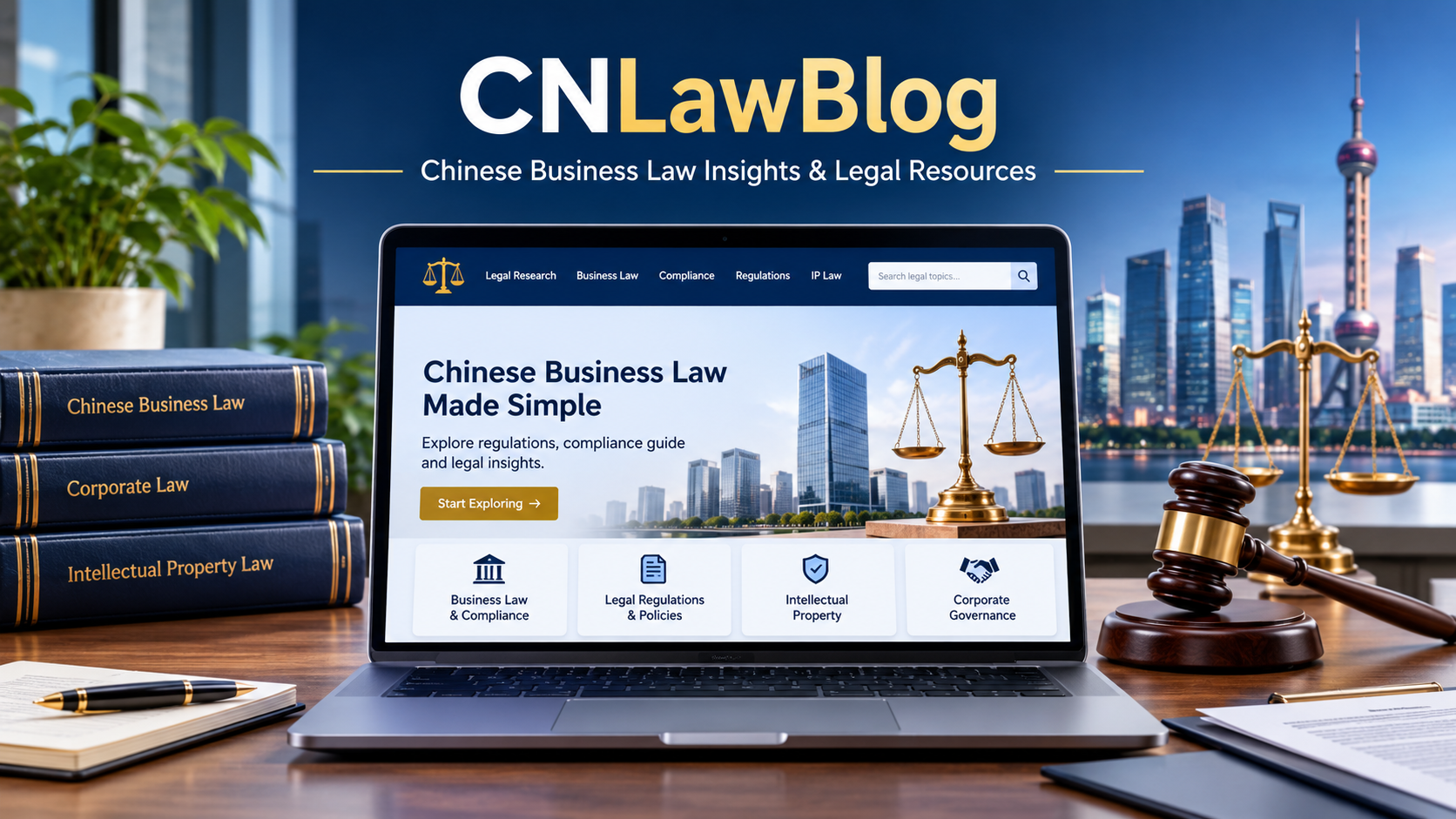
CNLawBlog is an online legal information platform that aims to make complex legal topics easier to understand. Its website, cnlawblogs.com, focuses particularly on Chinese business laws, regulatory requirements, compliance, and practical legal resources. It is designed to help business owners, investors, professionals, and other readers explore legal information without having to navigate complicated legal terminology.
Whether someone wants to understand business regulations in China, explore intellectual property protection, or learn about data privacy requirements, CNLawBlog provides a starting point for researching these subjects.
What Does CNLawBlog Cover?
CNLawBlog covers several areas of Chinese law and business regulation. Its main topics include:
- Business and corporate law: Company registration, foreign-owned enterprises, joint ventures, director responsibilities, and business operations.
- Data privacy and cybersecurity: Personal Information Protection Law (PIPL), cybersecurity requirements, cross-border data transfers, and data localization.
- Regulatory compliance: Export controls, competition regulations, financial licensing, and e-commerce requirements.
- Intellectual property: Trademark registration, patent protection, copyrights, trade secrets, and intellectual property disputes.
These subjects are particularly relevant to foreign companies, investors, and businesses that operate in or trade with China.
Key Features and Legal Tools
One notable aspect of the CNLawBlog website is its collection of practical tools designed to simplify legal research and business planning.
Its listed resources include a Compliance Checklist Generator, which helps users explore requirements involving privacy, licensing, employment, and intellectual property. The Business Setup Wizard provides guidance on selecting a suitable business structure in China, while the Chinese Legal Glossary helps readers understand legal terminology through Chinese characters, pinyin, and simplified definitions.
The website also organizes legal resources into categories, allowing visitors to explore specific subjects without searching through unrelated information.
These features can be useful for business owners and professionals who need an initial understanding of legal requirements before making decisions.
Who Can Benefit From CNLawBlog?
CNLawBlog may be useful for several types of readers:
- Foreign investors: People exploring company formation and investment opportunities in China.
- Business owners: Companies looking for information about contracts, regulatory obligations, and compliance.
- Legal students: Readers interested in understanding Chinese legal terminology and regulatory concepts.
- International businesses: Organizations dealing with Chinese suppliers, customers, intellectual property, or cross-border data.
However, general legal information should not be treated as personalized legal advice.
Is CNLawBlog a Reliable Legal Information Source?
When researching any legal information platform, readers should consider the accuracy, publication dates, sources, and authorship of its content. Laws and regulatory requirements can change, so an older article may not reflect current legal obligations.
CNLawBlog can serve as a starting point for exploring legal topics, but important decisions should be checked against official legislation, government publications, and qualified legal professionals.
For additional research, the Library of Congress Legal Research Guide: China provides information about China’s legal system, official legal publications, and online research resources.
Article Summary
CNLawBlog provides an online starting point for exploring Chinese legal information, business regulations, compliance requirements, and intellectual property topics. Its listed tools, including the compliance checklist generator, business setup wizard, and legal glossary, aim to make legal research more accessible.
For investors, students, and international businesses, the platform may help simplify initial research. Nevertheless, readers should verify important legal information through authoritative sources and seek professional advice before making legal or business decisions.