Gaming
Esports Gaming in 2026: Trends, Growth, and the Future of Competitive Gaming

Published
22 seconds agoon
By
Realty Fact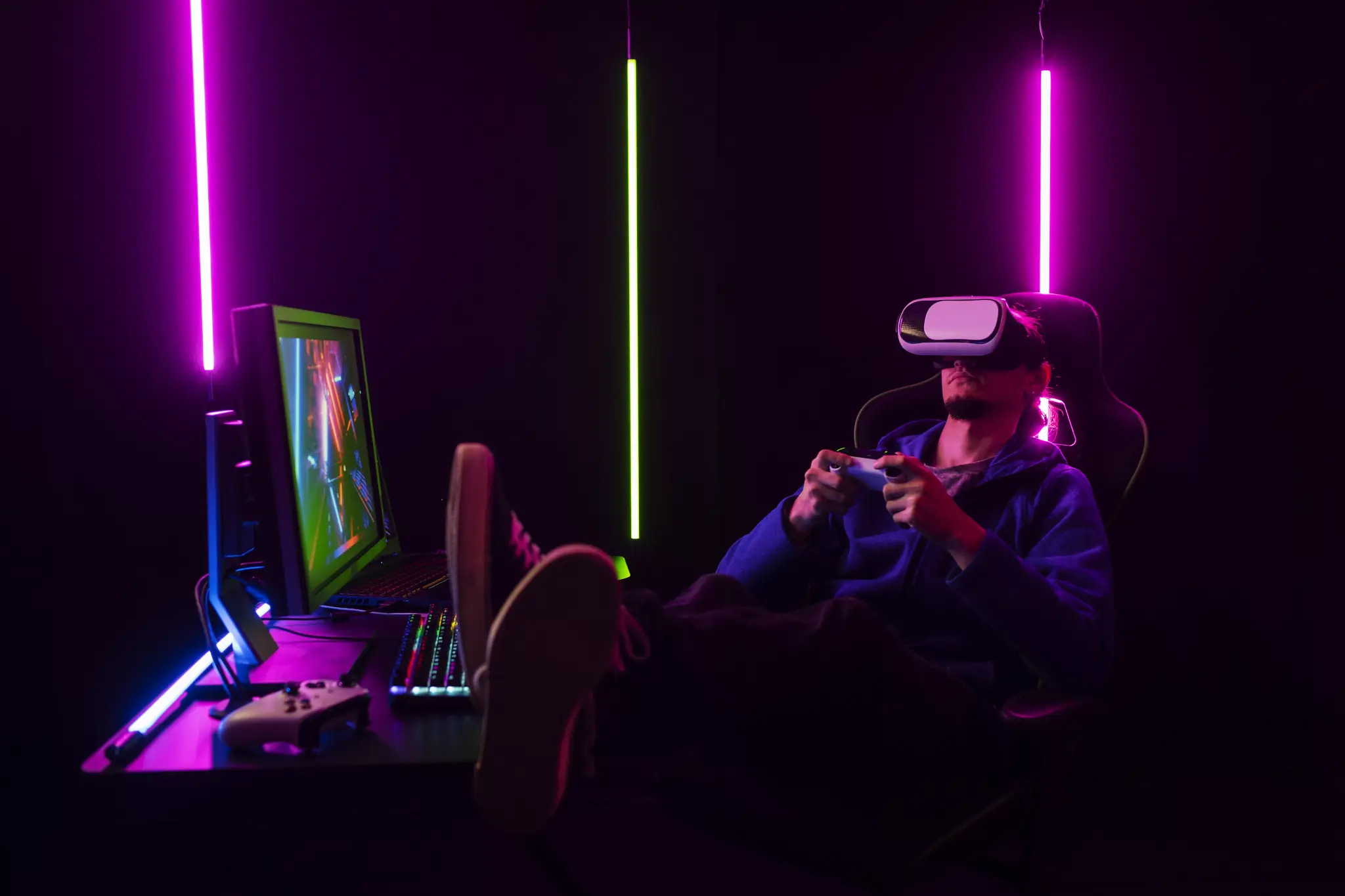
Esports gaming has grown from small gaming competitions into a major form of entertainment. Millions of players and fans now follow professional tournaments, watch live matches, support teams, and compete in online games.
In 2026, esports is changing again. Better gaming hardware, faster internet, improved streaming platforms, artificial intelligence, mobile gaming, and larger tournaments are creating new opportunities for players, teams, creators, and businesses.
Games such as League of Legends, Counter Strike 2, Valorant, Dota 2, Fortnite, PUBG Mobile, and other competitive titles have helped build a global esports culture. Players can now turn their gaming skills into professional careers, while fans can watch tournaments from almost anywhere.
This article looks at the biggest Esports Gaming trends in 2026, the reasons behind its growth, and what the future could look like.
Table of Contents
ToggleWhat Is Esports Gaming?
Esports gaming means organized competitive video gaming. Players compete against individuals or teams in structured matches and tournaments.
Unlike casual gaming, esports usually involves professional rules, rankings, coaches, teams, tournaments, sponsors, and organized leagues.
Popular esports games can include first person shooters, strategy games, battle royale games, sports games, and multiplayer online battle arena titles.
Professional players often spend many hours practicing their skills. They study opponents, review previous matches, work with coaches, and develop strategies for upcoming competitions.
Why Esports Is Growing in 2026
Several factors are helping esports continue to grow.
First, gaming has become more accessible. Smartphones, affordable gaming devices, and better internet connections allow more people to play competitive games.
Second, streaming has changed how fans consume esports. People do not need to attend a physical arena to watch a tournament. They can follow matches through online streaming platforms.
Third, esports has become more professional. Teams now use coaches, analysts, managers, content creators, and performance staff.
There is also growing interest from brands. Gaming audiences can be highly engaged, which makes esports attractive to companies looking to reach younger digital audiences.
Mobile Esports Continues to Expand
Mobile gaming is one of the most important parts of esports growth.
Modern smartphones can run competitive games with impressive graphics and smooth performance. This has allowed players who do not own expensive gaming computers or consoles to participate in competitive gaming.
Games such as PUBG Mobile, Mobile Legends, Free Fire, and other mobile titles have created large competitive communities in many regions.
Mobile esports is particularly important in countries where smartphones are more accessible than gaming PCs.
As mobile hardware improves, competitive mobile games can offer higher frame rates, better graphics, and more responsive controls.
This gives mobile players a stronger competitive experience.
The Rise of Professional Esports Players
Professional esports players are becoming more recognizable.
Top players can build large audiences through tournament performances, live streams, social media, and sponsorships.
However, becoming a professional player requires more than simply being good at a game.
Players need discipline, communication skills, teamwork, and the ability to perform under pressure.
They also need to manage their physical and mental health. Long gaming sessions can create problems if players do not take proper breaks, maintain healthy sleep habits, and exercise regularly.
Professional organizations are paying more attention to player well being because healthy players can perform more consistently.
Esports Teams Are Becoming Businesses
Modern esports organizations are more than groups of players.
A professional team may have players, coaches, analysts, managers, content creators, marketing staff, and business teams.
Organizations can earn money through sponsorships, merchandise, media deals, advertising, tournament winnings, and digital content.
Strong branding is also important.
A successful esports team can build a community that follows its players even when they are not competing.
This creates opportunities for teams to become entertainment brands rather than relying only on tournament winnings.
Esports Tournaments Are Getting Bigger
Large esports tournaments can attract fans from around the world.
Major competitions often include large prize pools, professional production, live audiences, and international teams.
Tournament organizers are also improving the viewing experience.
Fans may see player statistics, live rankings, replays, interviews, expert analysis, and behind the scenes content during an event.
Physical esports events can create an atmosphere similar to traditional sports competitions.
Fans gather in arenas, wear team merchandise, and support their favorite players.
Streaming and Esports
Streaming is closely connected to esports.
Platforms such as YouTube and Twitch have helped make competitive gaming easier to watch. Players can stream practice sessions, ranked matches, tournaments, and casual gameplay.
Streaming also gives players another way to earn income.
A talented player may build a large audience even before becoming a professional esports competitor.
Content creation can also help retired players stay connected with their communities.
This means an esports career does not always end when a player stops competing professionally.
Artificial Intelligence in Esports
Artificial intelligence is becoming useful across gaming and esports.
AI can analyze gameplay data and identify patterns that may be difficult for humans to notice.
Teams can use data analysis to study opponents, understand player performance, and improve strategies.
AI can also help create automated highlights and organize large amounts of tournament data.
For viewers, intelligent systems could eventually provide more personalized statistics and match information.
However, AI also raises questions about fairness. Tournament organizers need clear rules about how AI tools can be used during competitions.
Better Gaming Hardware
Hardware continues to play an important role in competitive gaming.
High refresh rate monitors can make fast movements easier to see. Gaming mice and keyboards can provide responsive controls. Powerful graphics cards can help maintain smooth frame rates.
Gaming laptops have also improved, giving competitive players more portable options.
For mobile esports, gaming smartphones offer features such as high refresh rate displays, powerful processors, improved cooling, and gaming focused controls.
However, expensive hardware does not automatically make someone a better player. Skills, practice, strategy, teamwork, and decision making remain essential.
Cloud Gaming and Esports
Cloud gaming could also influence esports in the future.
Cloud gaming allows games to run on remote servers while players stream the experience to their devices.
This could reduce the need for expensive gaming hardware in some situations.
However, competitive esports requires extremely low latency. Even small delays can affect gameplay.
For this reason, cloud gaming may face greater challenges in professional esports than in casual gaming.
As internet infrastructure improves, cloud technology may become more useful for training, casual competition, and certain esports experiences.
Esports and Virtual Reality
Virtual reality has the potential to create new forms of competitive gaming.
VR games can provide a more physical and immersive experience. Players interact with virtual environments using motion controllers or other tracking technology.
Competitive VR gaming is still smaller than traditional esports, but it has room to grow.
Future VR esports could include shooting games, sports simulations, strategy competitions, and completely new game formats.
The main challenge is creating games that are comfortable, balanced, and suitable for long competitive sessions.
Women in Esports
Women are becoming increasingly visible across the gaming and esports industry.
Female players, streamers, coaches, commentators, and creators are building communities and professional careers.
However, the industry still faces challenges related to harassment, unequal opportunities, and representation.
Esports organizations can help by creating professional environments where all players are treated fairly.
Better moderation, clear community rules, and strong reporting systems can also make online gaming safer.
A larger and more diverse player base can benefit esports as a whole.
Esports and Education
Gaming and education are becoming more connected.
Some schools and universities have created esports programs and teams. Students can compete while developing skills such as communication, teamwork, leadership, and problem solving.
Esports programs can also introduce students to careers beyond professional gaming.
These careers include game development, event management, broadcasting, marketing, video production, coaching, journalism, and software development.
This shows that the esports industry can provide a wide range of career opportunities.
The Business Side of Esports
Esports has created a growing business ecosystem.
Game developers, hardware companies, streaming platforms, advertisers, event organizers, sponsors, and content creators all participate in the industry.
Sponsors can promote products through teams, tournaments, livestreams, and gaming content.
Hardware brands can reach competitive players through gaming monitors, keyboards, mice, headsets, laptops, and other products.
Even businesses outside the traditional gaming industry can use esports partnerships to reach digital audiences.
Challenges Facing Esports in 2026
Despite its growth, esports faces several challenges.
One issue is the sustainability of professional organizations. Running teams, paying players, traveling to tournaments, and producing content can be expensive.
Another challenge is game dependence. A professional esports organization is often closely connected to the popularity and competitive support of specific games.
If a game loses its audience or its developer changes its competitive structure, teams can be affected.
Player burnout is another concern. Professional competition can involve long practice sessions, travel, pressure, and intense public attention.
Organizers and teams need to create healthier competitive environments.
The Future of Esports Gaming
The future of esports gaming is likely to become more connected with mainstream entertainment.
Competitive gaming may increasingly combine live events, streaming, social media, short form video, interactive content, and traditional sports style broadcasting.
Mobile esports will likely remain important, particularly in markets where smartphones are the main gaming device.
AI and data analysis may become standard tools for professional teams.
Better tournament production could make matches easier for new viewers to understand.
There may also be more crossover between esports and traditional sports. Professional sports organizations, athletes, and entertainment companies have already shown interest in gaming.
Career Opportunities in Esports
Professional players are only one part of the esports industry.
People interested in gaming can explore many different careers.
A person with strong communication skills could become a commentator or host. Someone interested in technology could work in game development or esports software.
Marketing professionals can work with teams and sponsors. Video editors can create tournament content and social media videos.
Coaches and analysts can help players improve their performance.
This makes esports a broad industry rather than simply a career option for professional players.
How to Get Started in Esports
People who want to enter competitive gaming should start with one game.
Choose a game you enjoy and learn its mechanics. Practice regularly instead of playing without a plan.
Watch professional matches and study how top players make decisions.
Playing with a team can also improve communication and strategy.
It is important to avoid spending every available hour gaming. Proper sleep, exercise, breaks, and time away from screens can help maintain long term performance.
Players should also build a positive online reputation. Respectful communication and good sportsmanship can open more opportunities than toxic behavior.
Conclusion
Esports Gaming in 2026 is more than competitive video games. It has become a global entertainment industry involving professional players, teams, creators, developers, sponsors, broadcasters, and millions of fans.
Mobile gaming, streaming, artificial intelligence, better hardware, larger tournaments, and improved digital communities are helping esports continue to evolve.
At the same time, the industry must address challenges such as player burnout, cybersecurity, fairness, financial sustainability, and online harassment.
The future looks promising for competitive gaming. As technology improves and audiences continue to grow, esports can create new forms of entertainment and career opportunities.
For players and businesses, the key will be adapting to change while keeping competition fair, engaging, and enjoyable.
Esports is still developing, and 2026 could be another important year in its growth.