
Home Improvment
Sustainable Trends in Kitchen Cabinet Designs

Published
8 months agoon
By
Realty Fact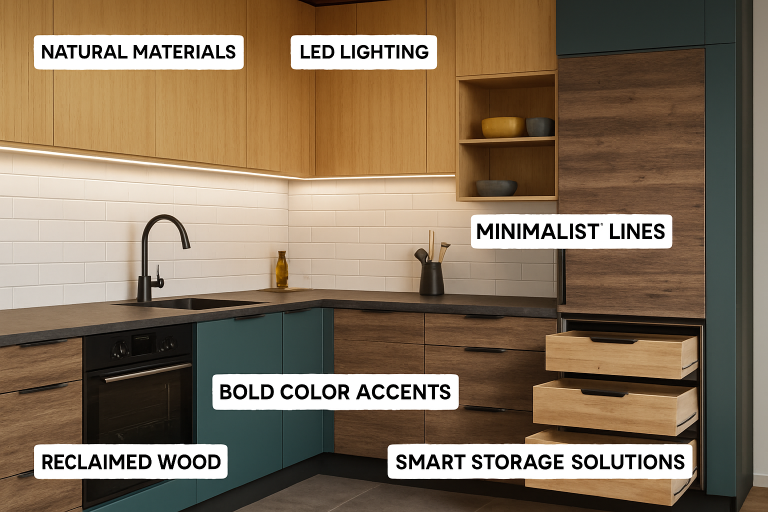
Modern homeowners are increasingly seeking ways to create beautiful kitchens without sacrificing sustainability. The shift toward environmentally friendly design has inspired a fresh wave of innovation in kitchen cabinetry, where new materials, finishes, and storage approaches combine to deliver lasting value. Whether you’re planning a major remodel or want to give your kitchen a facelift, exploring cabinet refinishing St. Louis can help you achieve a stunning, eco-friendly transformation. These sustainable choices not only help protect the planet but also add charm, functionality, and lasting style to your kitchen space.
From reclaimed wood to multi-functional islands, today’s kitchens are designed with both form and sustainability in mind. Creating a greener kitchen means considering the entire lifecycle of your cabinets, from sourcing materials to their reuse or recycling. This holistic approach to kitchen design not only contributes to a healthier home but also reflects your values for future generations.
Emphasizing sustainable trends also encourages homeowners to consider upcycling existing elements, prioritize energy efficiency, and select finishes that minimize indoor pollutants. By making thoughtful choices now, you can enjoy elevated comfort and modern convenience for years to come. The journey toward a greener kitchen begins with understanding which trends are genuinely making a difference and how you can adopt them in your own home.
Let’s dive into the most impactful trends that are making waves in kitchen cabinet design, from responsible material choices to creative storage solutions, all while cultivating a space that is as mindful as it is beautiful.
Table of Contents
ToggleEco-Friendly Materials
Choosing green materials is the foundation of sustainable kitchen cabinet design. Renewable resources like bamboo provide a tough, stylish alternative to traditional woods and are available in a variety of tones for modern or classic styling. Bamboo’s rapid regrowth makes it one of the most sustainable options. Another favored choice is reclaimed wood, which adds rich character and a one-of-a-kind story to your kitchen while reducing demand for newly harvested timber. For an even healthier indoor environment, select cabinets finished with low-VOC or VOC-free paints and varnishes, which limit the release of potentially harmful chemicals and help keep indoor air cleaner. For more information on selecting eco-friendly materials and finishes, refer to resources from the Environmental Protection Agency.
Energy-Efficient Features
Today’s kitchen cabinets are about more than storage; they’re engineered for better energy performance, too. Integrating LED lighting within cabinets or under shelves provides targeted illumination while using significantly less electricity than traditional lighting. LED lights also emit less heat, helping keep the kitchen cool during meal prep. Motion-sensor lighting, dimmer switches, and timers can improve efficiency and reduce your household’s environmental footprint over time. Always opt for Energy Star-rated fixtures whenever possible for the highest energy savings.
Minimalist and Streamlined Designs
Simplicity is a defining feature of many sustainable kitchens. Cabinets with flat-panel doors, integrated handles, and minimal embellishment invoke a clean look that never goes out of style. Minimalist cabinetry not only fosters visual harmony but also promotes efficiency by focusing on the essentials, helping you avoid unnecessary waste and reduce clutter. These designs make kitchens easier to clean and maintain, further supporting the sustainable ethos. For inspiration on minimalist design principles and how they’re shaping modern homes, check out this comprehensive guide from Architectural Digest.
Bold Colors and Textures
Kitchens are moving beyond the conventional look, with designers and homeowners experimenting with deep colors and dramatically textured finishes. Rich hues like navy, emerald, and terracotta bring warmth and personality to cabinets, especially when paired with natural materials. Textural variety, such as combining matte cabinets with glossy metallic hardware, creates depth and visual appeal. These choices don’t just enliven your kitchen; they also allow existing cabinetry surfaces to be refreshed rather than replaced, which supports sustainability by reducing waste.
Smart Storage Solutions
Innovative storage options are a hallmark of sustainable kitchens. Pull-out shelves, vertical dividers, and corner carousel units make it easier to utilize every inch of space without sacrificing organization or accessibility. These innovative solutions help eliminate wasted space and simplify meal prep and cleanup. They’re invaluable for maximizing small kitchens or updating older cabinets, enabling homeowners to optimize their layouts without undertaking a complete renovation.
Vintage-Inspired Hardware
Hardware is an easy way to add sustainable style with maximum impact. Many homeowners are turning to vintage or reproduction knobs and pulls in finishes like aged brass, antique pewter, or matte black. These details add nostalgic charm and individuality to new cabinet installations or breathe new life into existing cabinetry. Incorporating vintage-inspired hardware supports sustainability by promoting reuse and reducing demand for new manufacturing.
Large Kitchen Islands
Oversized kitchen islands are the new centerpiece of modern kitchen design. These expansive surfaces serve a host of purposes, from food prep and dining to working from home or entertaining guests. Islands with built-in storage, seating, and integrated appliances further amplify their value, helping homeowners consolidate functions and streamline overall kitchen layouts. By concentrating activity in a multifunctional hub, the kitchen island strengthens the home’s efficiency and social heart.
Conclusion
Sustainable kitchen cabinet design is no longer a niche trend; it’s a necessity for anyone looking to align their home with eco-friendly values and forward-thinking aesthetics. By embracing renewable materials, energy-efficient lighting, minimalist lines, bold finishes, and state-of-the-art storage, you can create a kitchen that’s healthier, greener, and built for the future. Let these trends inspire your next renovation, and enjoy a kitchen that doesn’t just captivate today, but continues to serve your family and the earth for years to come.