
Lifestyle
A Practical Guide to Industrial Blower Reliability in Hot, Humid Florida Facilities

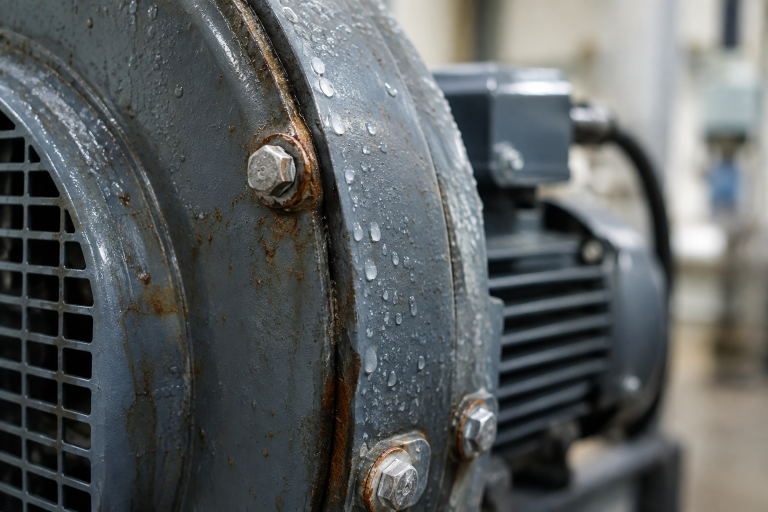
Florida facilities contend with long cooling seasons, high outdoor humidity, sudden rain events, and process areas that may already contain heat, steam, dust, or washdown moisture. These conditions can place extra stress on industrial air-moving equipment. Understanding how blowers respond to heat, restricted intake air, and moisture helps maintenance teams prevent avoidable interruptions.
Reliable operation is not only about the machine itself. The intake path, discharge piping, room ventilation, controls, filtration, and operator routines all affect whether a blower can deliver the airflow and pressure a process needs. Small changes that seem harmless during mild weather can become serious during Florida’s hottest and most humid periods.
Common warning signs include rising operating temperature, new vibration, reduced airflow, elevated motor current, oil leakage, frequent alarms, and corrosion near terminals or fasteners. These symptoms should prompt investigation, but they do not automatically mean the blower is the root cause. A restriction, an air leak, a control problem, or a change in process demand may be responsible.
A practical reliability program combines short inspections with performance trending. Recording readings consistently provides operators with a baseline, making it easier to spot a gradual decline before it leads to an unplanned shutdown.
Facilities that operate combination sewer-cleaning or vacuum equipment can apply the same habit of checking airflow paths, lubrication, seals, and operating readings to vacuum pump repair planning. Both types of equipment benefit from early attention to unusual heat, noise, moisture, and vibration.
Why Florida Climate Conditions Matter
High ambient temperature reduces the temperature difference that helps a motor, bearing housing, and blower casing release heat to the surrounding air. Humidity also matters because warm, moisture-laden air can condense upon contact with cooler surfaces inside housings, piping, electrical enclosures, or idle equipment. Condensation can contribute to corrosion, wet filters, and compromised electrical connections.
The equipment room deserves as much attention as the blower. Recirculating hot discharge air, blocked louvers, an intake near steam or chemical mist, and inadequate room ventilation can all raise operating stress. Seasonal changes are important because a setup that appears stable in winter may not perform the same way during a humid summer afternoon.
Common Blower Problems in Hot, Humid Facilities
Operators should treat changes in sound, temperature, pressure, or load as useful diagnostic information. Unusual rattling may indicate looseness or misalignment, while a drop in airflow can result from a dirty inlet filter, a blocked screen, piping restrictions, leaks, or a changed downstream demand. Mechanical drag, improper operating conditions, or increased system resistance can cause motor amperage to rise.
Visible water marks, rust, discolored lubricant, and oil leakage also deserve attention. Rather than tightening parts or resetting alarms without investigation, teams should identify when the condition began and compare it with weather, production, cleaning activities, and recent system changes.
Build a Simple Daily Inspection Plan
A short inspection during each shift can reveal developing issues early. The goal is consistency, not a complicated checklist.
- Listen for changes in normal operating sound.
- Look for leaks, water marks, corrosion, loose guards, and damaged insulation.
- Review temperature, pressure, alarm, and motor-load readings.
- Inspect the inlet area for dust buildup, moisture, blocked screens, and damaged filter seals.
- Confirm that cooling air can move freely around the unit.
- Record abnormalities with the date, shift, and operating conditions.
Control Heat, Airflow, and Moisture
Keep hot discharge air from returning to the intake, and maintain the clearance needed for cooling and inspection. Clean vents, screens, and cooling surfaces regularly. The federal definition of fans and blowers also recognizes that these machines include components such as an impeller, shaft, bearings, housing, driver, and controller, reinforcing the need to look beyond a single rotating part in inspections.
Moisture management should focus on where water can enter, collect, or condense. Inspect low points in piping and housings, confirm that drainage paths remain open, and protect electrical connections from condensation. Intake locations should be evaluated carefully when equipment operates near washdown zones, coastal air, steam sources, chemical vapors, or process mist.
Protect Filters, Bearings, and Drive Components
Filters and Intake Areas
Wet or loaded filter media can restrict inlet airflow and cause a blower to operate under unfavorable conditions. Inspect filters more frequently during dusty work, heavy rain, construction activity, or periods of high humidity and process moisture. If differential-pressure measurement is available, trend it so replacement decisions are based on restriction rather than appearance alone.
Bearings, Lubrication, Belts, and Couplings
Follow the equipment manufacturer’s lubrication instructions and investigate any rise in bearing temperature, contaminated lubricant, or repeated oil loss. Check belt tension and condition, coupling alignment, fasteners, and guards. New vibration should be diagnosed rather than masked by simply tightening a component, since misalignment, imbalance, bearing wear, or a change in system conditions may be involved.
Track Performance Data Before Failure
Useful trend data includes operating temperature, inlet and discharge pressure, airflow, motor amperage, vibration, filter pressure drop, runtime, start-stop frequency, ambient temperature, and relative humidity. Compare current readings with commissioning values or a known stable operating period. For example, lower airflow paired with higher amperage may indicate a restriction, control issue, or changed process requirement.
Energy savings often come from correcting the system around the blower. Repair leaks, clean restrictions, avoid unnecessarily high pressure settings, and match output to actual demand. In activated-sludge wastewater treatment, aeration typically accounts for 50% to 60% of plant electricity use, making demand-based control and performance trending especially important where applicable.
Know When to Repair, Replace, and Prepare Seasonally
Repair can be reasonable when the casing and major rotating parts remain sound, a clear mechanical or electrical cause has been identified, and the equipment still meets process demand. Replacement may deserve consideration when failures recur, critical parts are difficult to obtain, corrosion cannot be corrected economically, energy use has increased steadily, or the blower is no longer suited to its operating range.
Before the most demanding warm-weather period, clean ventilation paths, inspect filters and drains, check lubrication and drive components, test alarms and protective shutdowns, review historical readings, and confirm that critical consumables are available. Reliable blower operation in Florida depends on a disciplined routine that accounts for the machine, the air path, the room environment, and the process’s actual needs.